Some links in this blog are affiliate links. If you make a purchase through these links, I may receive a small commission. This helps support the site at no extra cost to you.
Your kitchen is the heart of your home, and the floor sets the tone for the entire space. Whether you’re dreaming of a rustic farmhouse vibe or a sleek modern look, the right flooring can tie everything together. But with so many materials, colors, and textures available, choosing the perfect style can feel overwhelming.

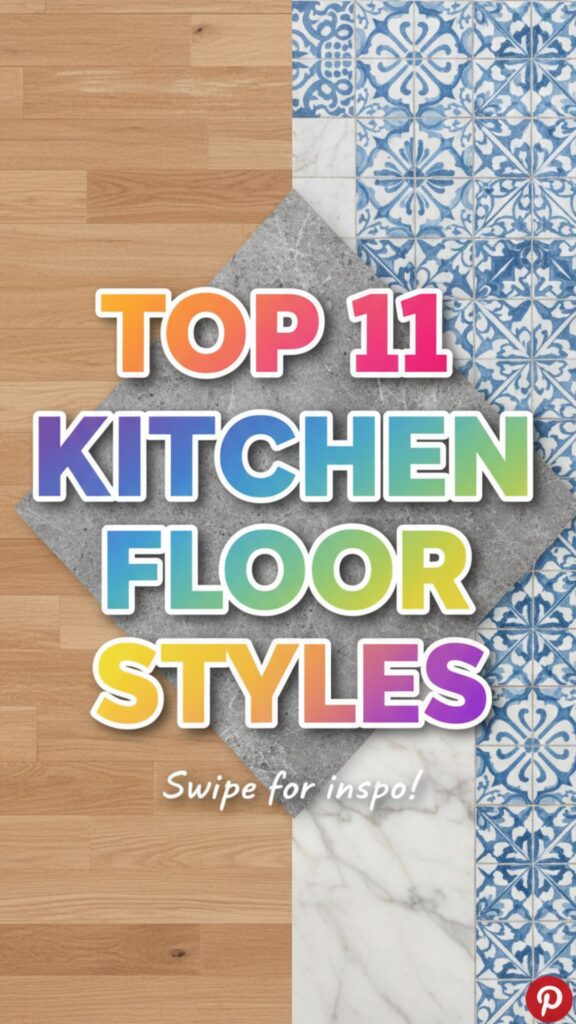
From timeless hardwoods to bold tiles, we’ve curated a list of 11 stunning kitchen floor styles to inspire your next renovation. Read on to discover how you can achieve these looks and transform your cooking space into a design masterpiece.
1. Modern Farmhouse
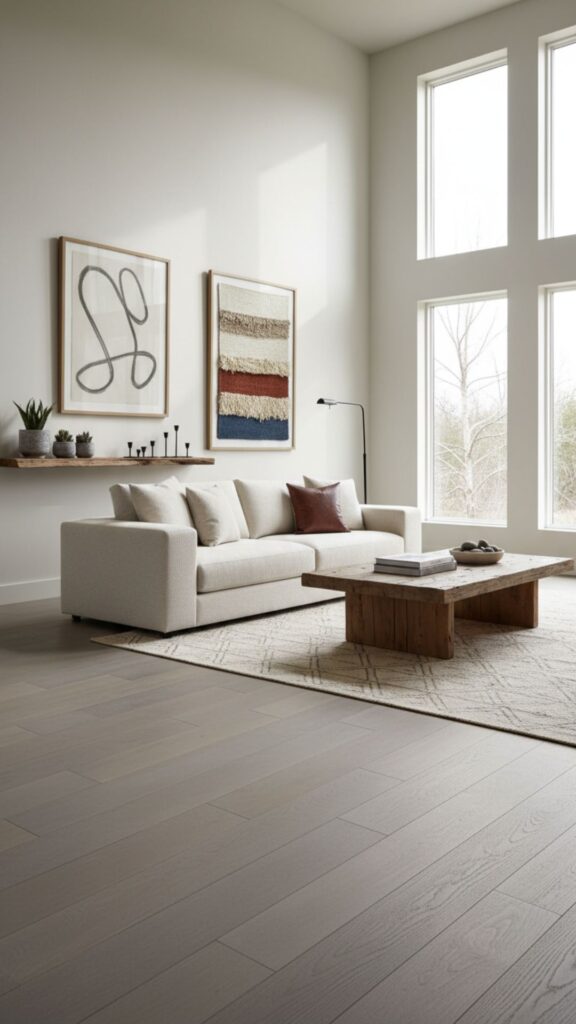
This style blends rustic charm with contemporary clean lines. It typically features wide-plank wood flooring with plenty of character, such as knots and grain variations, often in lighter or gray-washed tones.
How To Get The Look:
- Opt for wide-plank engineered hardwood or luxury vinyl planks.
- Choose matte finishes over high gloss to maintain a natural feel.
- Look for distressed or hand-scraped textures.
Shopping List
- Wide plank engineered hardwood
- Gray luxury vinyl plank flooring
- Matte finish wood stain
- Rustic farmhouse rug
- Distressed wood flooring samples
- Barn wood texture vinyl
- Farmhouse kitchen runner
- Reclaimed wood flooring
- Whitewash wood stain
- Oak flooring planks
2. Industrial Chic
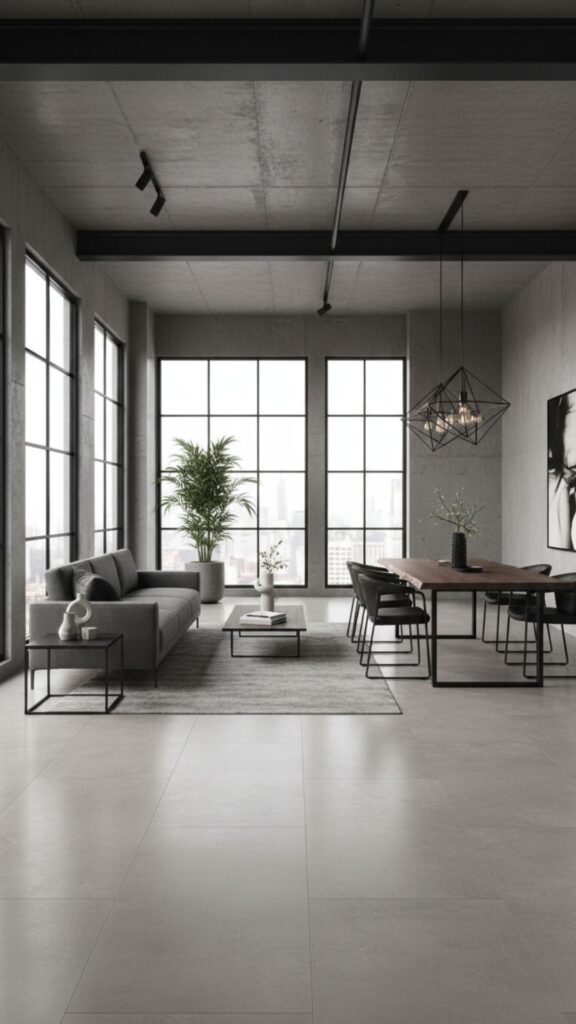
Industrial kitchens embrace raw, unfinished elements. Concrete flooring—or tiles that mimic concrete—is the star here. It’s durable, edgy, and provides a neutral canvas for metal accents and exposed brick.
How To Get The Look:
- Install large-format concrete-look porcelain tiles.
- Consider polished concrete for a seamless, durable surface.
- Stick to cool gray tones to maintain the industrial aesthetic.
Shopping List
- Concrete look floor tile
- Large format gray porcelain tile
- Industrial floor paint
- Epoxy floor coating kit gray
- Slate effect floor tiles
- Industrial kitchen mat
- Concrete sealer
- Gray grout for tiles
- Peel and stick concrete floor tile
- Matte gray floor finish
3. Classic Checkerboard
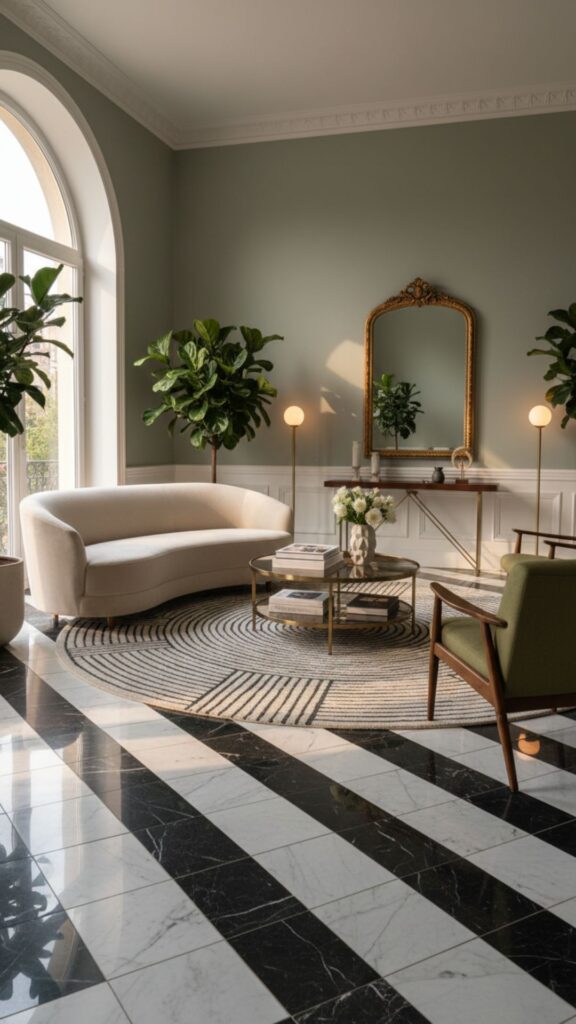
A timeless favorite, the checkerboard pattern adds a retro yet sophisticated touch. It works beautifully in traditional, eclectic, and even modern kitchens.
How To Get The Look:
- Use black and white ceramic or marble tiles.
- Experiment with colors like navy and white or gray and white for a softer look.
- Install tiles on a diagonal for a dynamic visual effect.
Shopping List
- Black and white floor tiles
- Marble checkerboard tiles
- Peel and stick checkerboard flooring
- Vinyl floor tiles black white
- Ceramic floor tiles 12×12
- Linoleum checkerboard flooring
- Retro kitchen rug
- Gray and white floor tile
- Tile spacers
- Black floor grout
4. Mediterranean Warmth
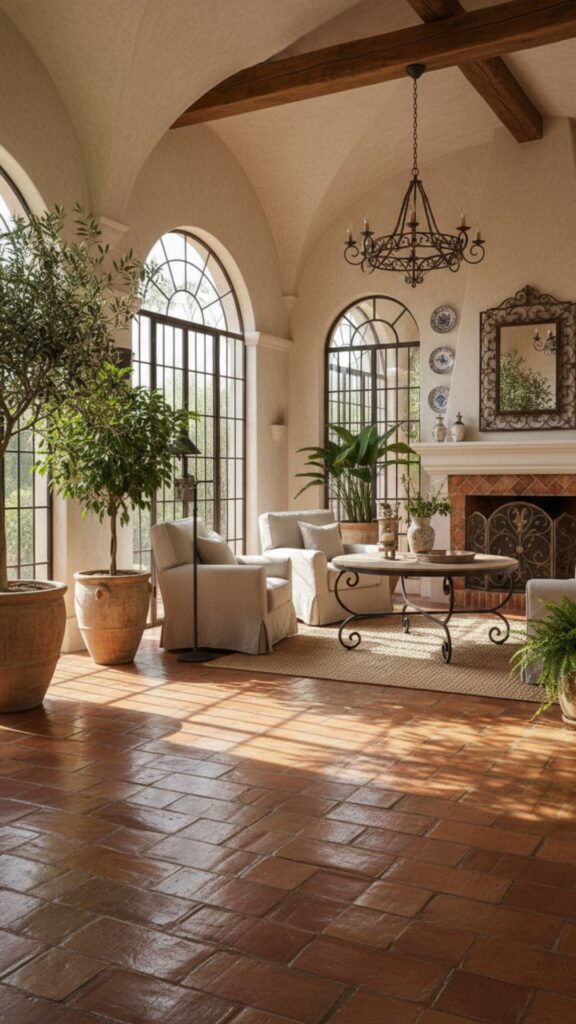
Bring the feel of a European villa to your home with terracotta tiles. Their warm, earthy red and orange tones create a cozy and inviting atmosphere.
How To Get The Look:
- Choose authentic terracotta tiles in square or hexagonal shapes.
- Leave grout lines wide for a rustic appearance.
- Seal the tiles properly, as terracotta is porous.
Shopping List
- Terracotta floor tiles
- Hexagon clay tiles
- Saltillo tile sealer
- Rustic red floor tiles
- Spanish tile stencil
- Earthenware floor tiles
- Wide grout joint spacer
- Terracotta colored grout
- Mediterranean style rug
- Matte tile sealer
5. Scandinavian Simplicity
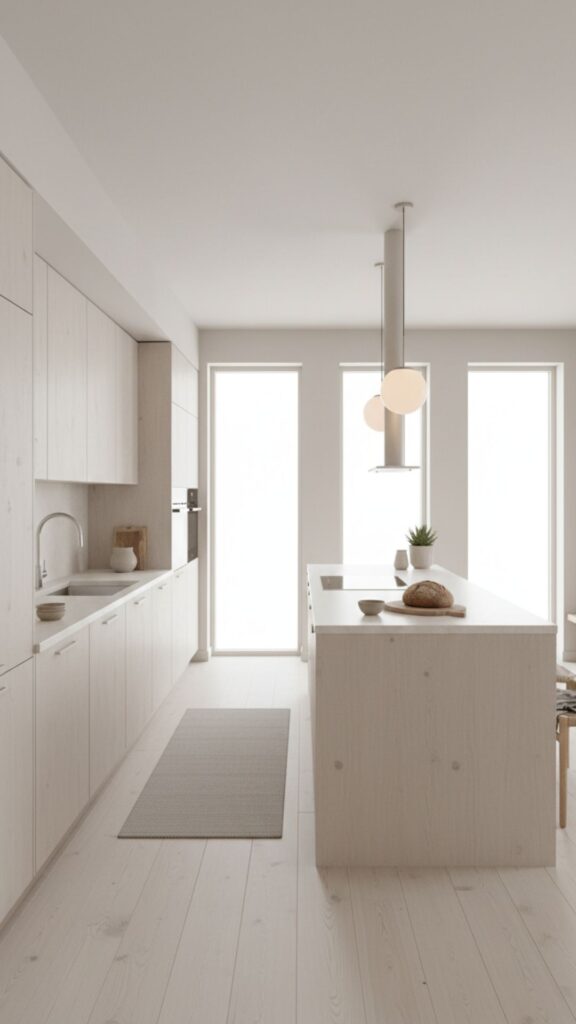
Scandi style is all about light, airiness, and functionality. Light wood floors—like ash, maple, or white-washed oak—are essential to brightening up the space.
How To Get The Look:
- Select pale wood species or bleached finishes.
- Keep the floor layout simple; avoid complex patterns.
- Ensure a smooth, matte finish to reflect natural light softly.
Shopping List
- White washed oak flooring
- Light maple wood planks
- Ash wood flooring
- Pale vinyl plank flooring
- Nordic style rug
- Bleached wood stain
- Scandinavian decor floor mat
- Light laminate flooring
- Birch wood flooring
- Minimalist runner rug
6. Luxury Stone
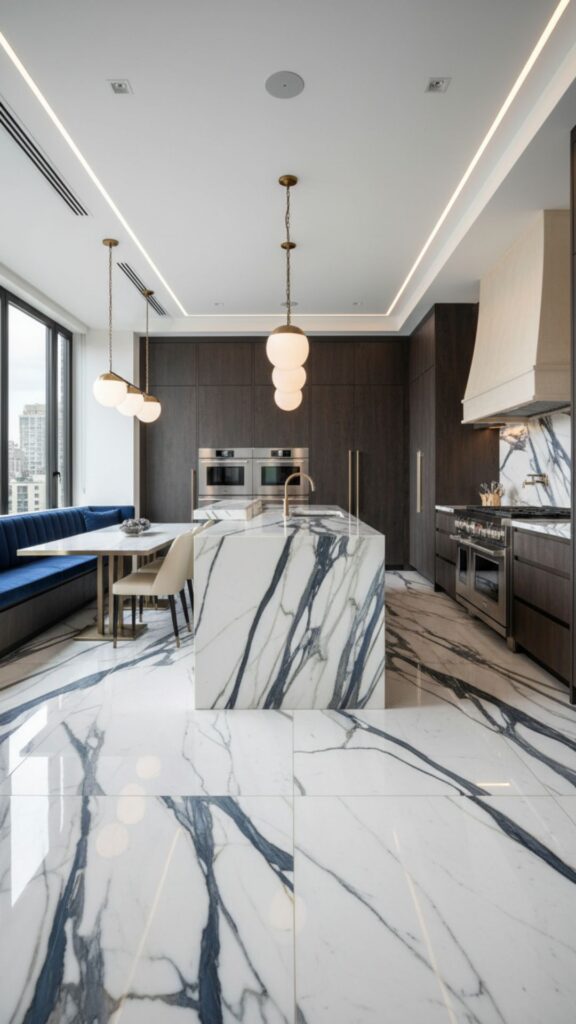
For an opulent, high-end kitchen, nothing beats natural stone. Marble, travertine, or slate floors add texture, depth, and a sense of permanence.
How To Get The Look:
- Install large marble tiles with dramatic veining.
- Consider travertine for a tumbled, old-world texture.
- Use slate for a darker, more dramatic foundation.
Shopping List
- Marble floor tiles
- Travertine pavers
- Slate floor tile black
- Natural stone sealer
- Carrara marble tile
- Stone floor polish
- Luxury vinyl stone look
- Limestone floor tiles
- Granite floor tiles
- Marble cleaning kit
7. Bold & Patterned (Encaustic)
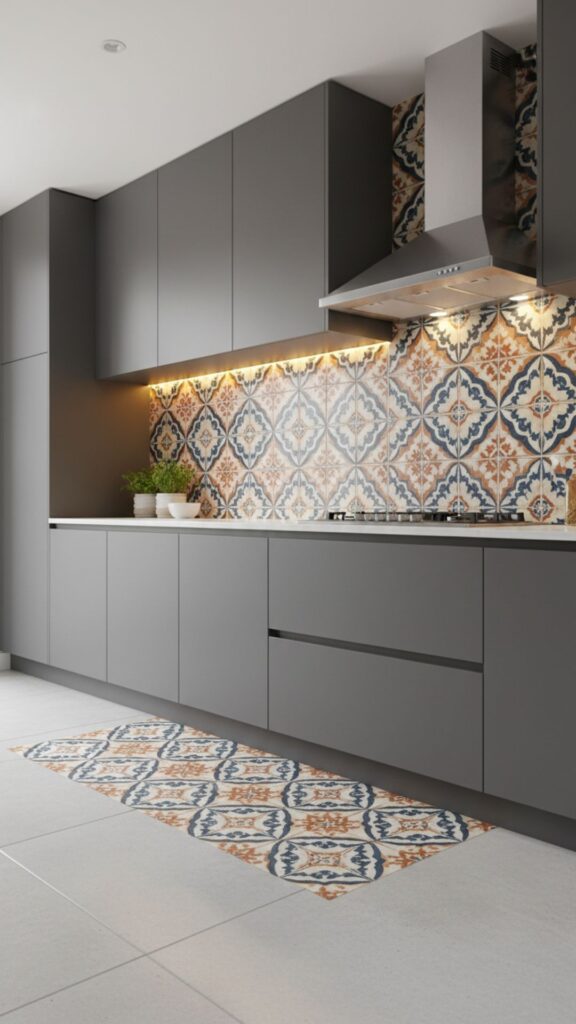
Encaustic cement tiles are perfect for adding a pop of personality. They feature intricate, colorful patterns that can serve as the kitchen’s focal point.
How To Get The Look:
- Choose a bold geometric or floral pattern.
- Keep the rest of the kitchen neutral to let the floor shine.
- Use porcelain alternatives for easier maintenance if cement is too porous for you.
Shopping List
- Encaustic cement tiles
- Patterned porcelain floor tile
- Moroccan floor stencil
- Geometric floor tiles
- Spanish style floor tile
- Blue and white patterned tile
- Boho kitchen rug
- Decorative floor decals
- Cement tile sealer
- Vintage patterned tile
8. Eco-Friendly Cork
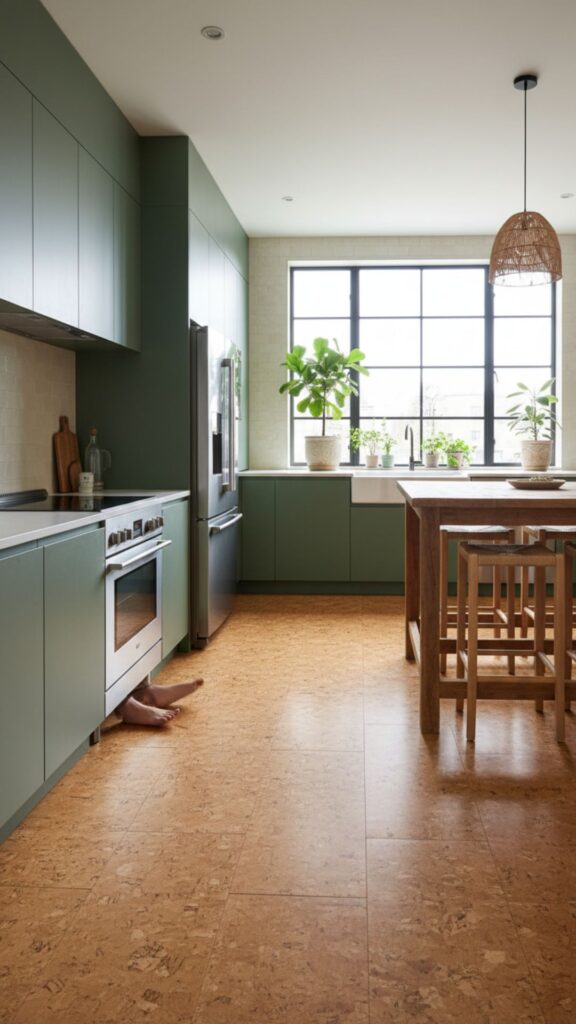
Cork is a sustainable choice that is soft underfoot and sound-absorbing—perfect for busy kitchens. It has a unique, speckled look that adds warmth.
How To Get The Look:
- Select cork tiles or planks in a shade that complements your cabinets.
- Ensure it is sealed properly to resist water damage.
- Enjoy the natural, cushioned feel while cooking.
Shopping List
- Cork flooring planks
- Cork floor tiles
- Eco friendly flooring
- Cork sealer water based
- Sustainable kitchen mat
- Natural cork underlayment
- Floating cork floor
- Cork floor cleaner
- Light cork flooring
- Dark cork flooring
9. Herringbone Elegance
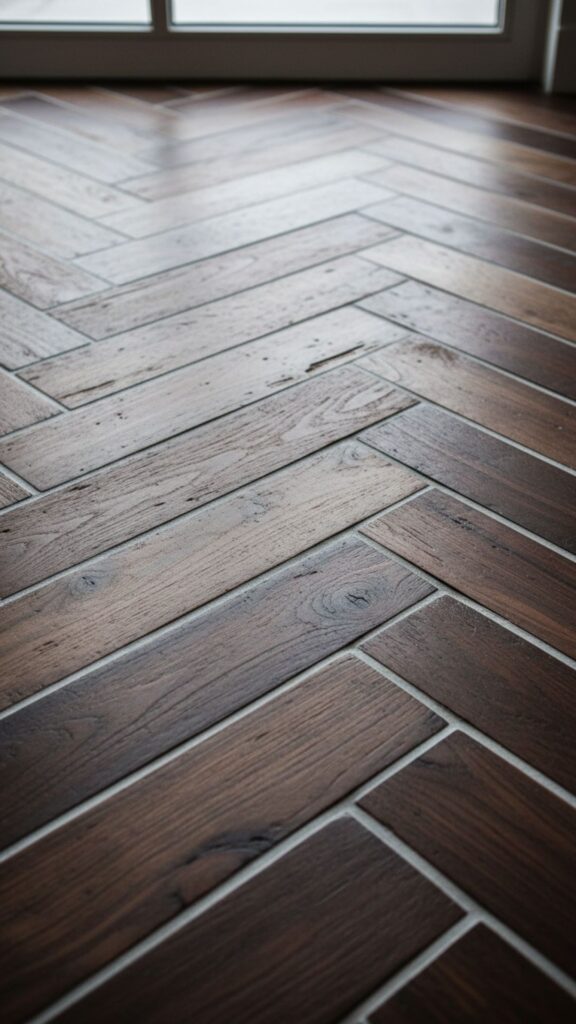
The herringbone pattern instantly elevates wood or tile flooring. It adds movement and sophistication, turning simple materials into a design statement.
How To Get The Look:
- Use rectangular tiles or wood planks.
- Lay them in a zigzag pattern at a 90-degree angle.
- Consider a contrasting grout color if using tile to highlight the pattern.
Shopping List
- Herringbone wood flooring
- Herringbone tile sheets
- Peel and stick herringbone
- Rectangular floor tiles
- Parquet flooring
- Herringbone vinyl plank
- Tile leveling system
- White subway tile for floor
- Wood look porcelain tile
- Herringbone mosaic tile
10. Bamboo Brilliance
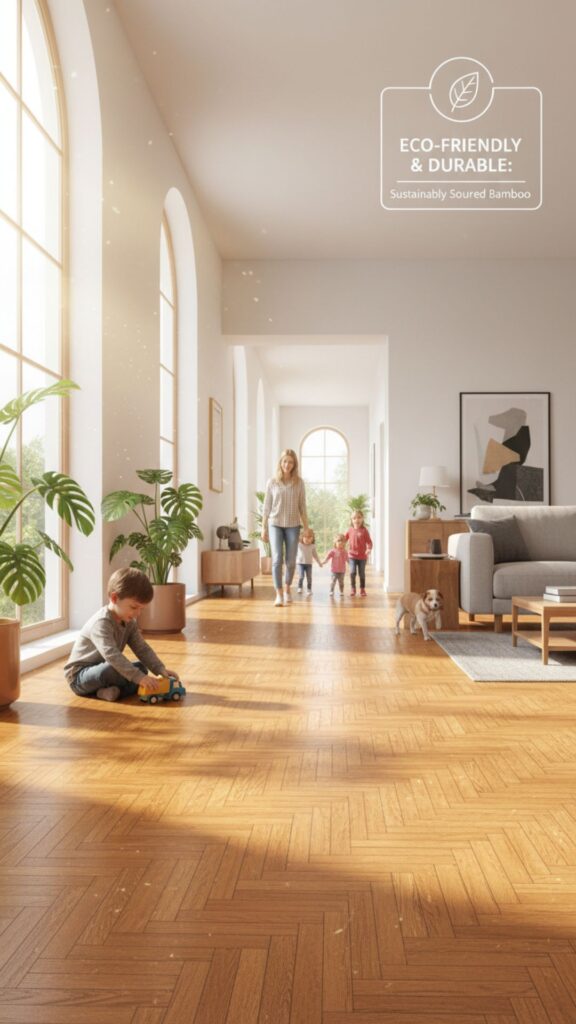
Bamboo is a durable, renewable alternative to hardwood. It offers a unique grain and comes in various shades, from natural blonde to carbonized darks.
How To Get The Look:
- Choose strand-woven bamboo for maximum durability in high-traffic areas.
- Select a finish that matches your kitchen’s color scheme.
- Maintain humidity levels to keep the bamboo in top shape.
Shopping List
- Bamboo flooring planks
- Strand woven bamboo flooring
- Carbonized bamboo flooring
- Bamboo floor cleaner
- Engineered bamboo flooring
- Natural bamboo rug
- Sustainable flooring options
- Bamboo mat
- Click lock bamboo flooring
- Honey tone bamboo floor
11. Retro Linoleum
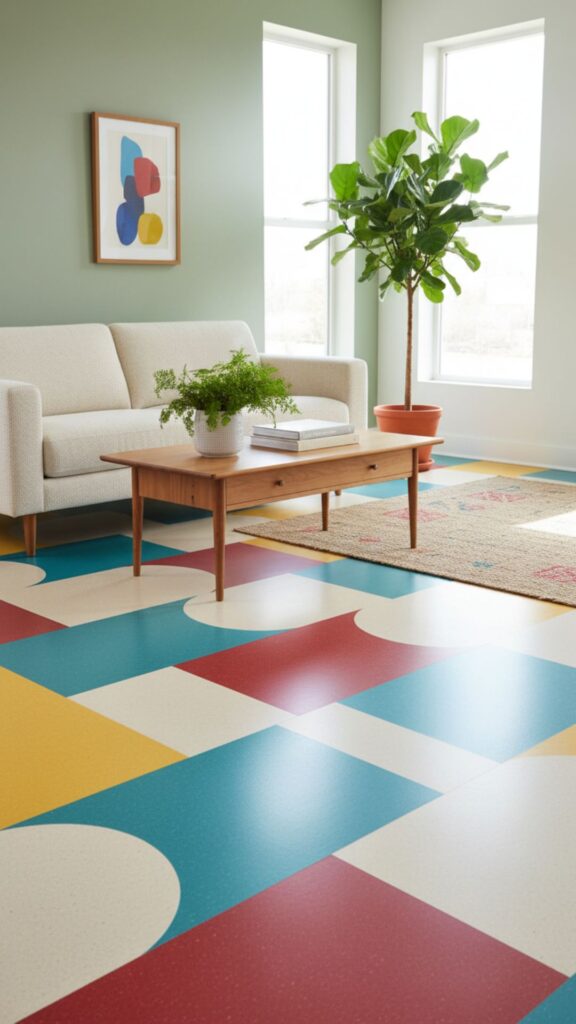
Far from the dated floors of the past, modern linoleum is vibrant, eco-friendly, and durable. It’s perfect for adding color and fun to mid-century modern kitchens.
How To Get The Look:
- Look for Marmoleum or high-quality linoleum sheets.
- Don’t be afraid of bold colors like teal, mustard, or cherry red.
- Use it in sheets for a seamless look or tiles for patterns.
Shopping List
- Linoleum floor tiles
- Marmoleum flooring
- Retro kitchen flooring
- Sheet linoleum flooring
- Teal floor tiles
- Mid century modern rug
- Linoleum adhesive
- Red vinyl flooring
- Yellow kitchen mat
- Eco friendly vinyl alternative
Find Your Foundation
Your kitchen floor is a long-term investment that influences the look and feel of your home. Whether you choose the durability of stone, the warmth of cork, or the bold statement of encaustic tile, the right choice will elevate your aesthetic instantly. Take the time to sample materials and visualize them in your light before committing.
Frequently Asked Questions (FAQs)
1. What is the most durable flooring for a kitchen?
Ceramic and porcelain tiles are widely considered the most durable options. They are resistant to scratches, stains, and water damage, making them ideal for high-traffic and spill-prone areas like kitchens.
2. Is wood flooring a bad idea for kitchens?
Not necessarily. While solid hardwood is susceptible to water damage, engineered hardwood is more stable and resistant to humidity changes. If you clean up spills immediately and maintain the finish, wood can be a beautiful and lasting choice.
3. Which kitchen flooring is the easiest to clean?
Vinyl and linoleum are incredibly low-maintenance. They are water-resistant and can usually be cleaned with a simple sweep and mop. Porcelain tile is also very easy to clean but requires occasional grout maintenance.
4. Can I install kitchen flooring over existing floors?
In many cases, yes. Luxury vinyl plank (LVP) and laminate can often be installed as “floating floors” over existing tile or vinyl, provided the subfloor is level and in good condition.
5. What is the best eco-friendly kitchen flooring?
Cork, bamboo, and linoleum are excellent eco-friendly choices. Cork and bamboo are renewable resources, while true linoleum is made from natural materials like solidified linseed oil, pine rosin, and wood flour.