Some links in this blog are affiliate links. If you make a purchase through these links, I may receive a small commission. This helps support the site at no extra cost to you.
Trends come and go, but the “old money” aesthetic is forever. It isn’t about flashing logos or chasing the newest interior design fads. Instead, this style relies on heritage, quality materials, and a sense of accumulated history. It is the architectural equivalent of a well-tailored trench coat—effortlessly chic and built to last.
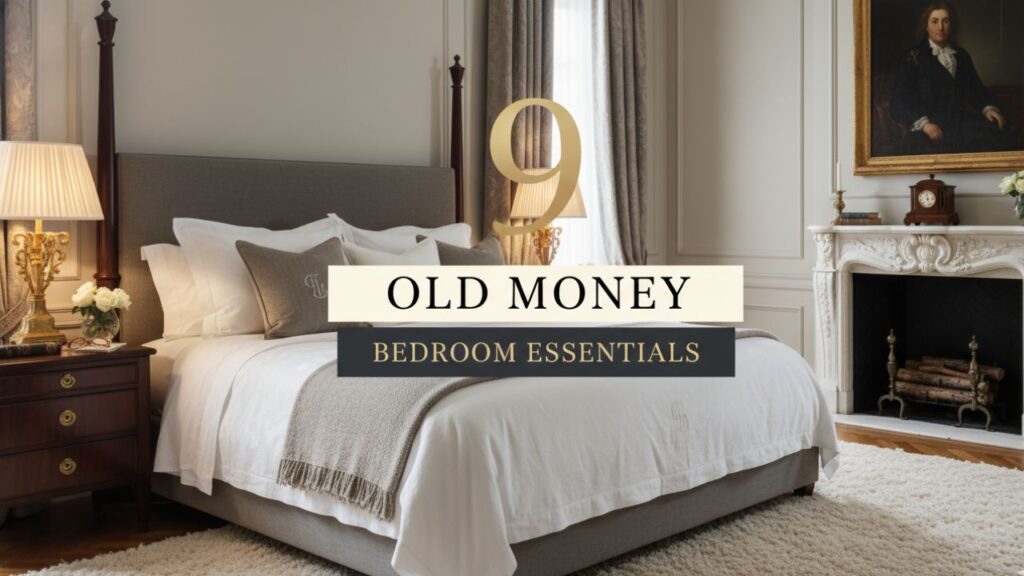
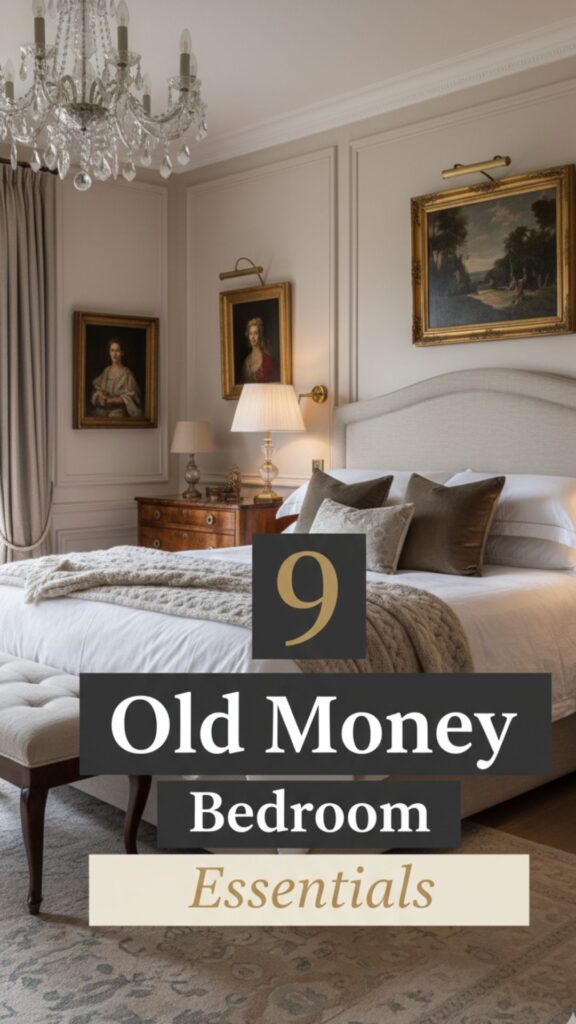
Creating this look in your bedroom doesn’t require a trust fund or a countryside estate. It simply requires a shift in focus toward craftsmanship and timeless design. If you want to transform your sleeping quarters into a sanctuary of quiet luxury, here are the nine essentials you need.
1. Crisp, Hotel-Quality Linens
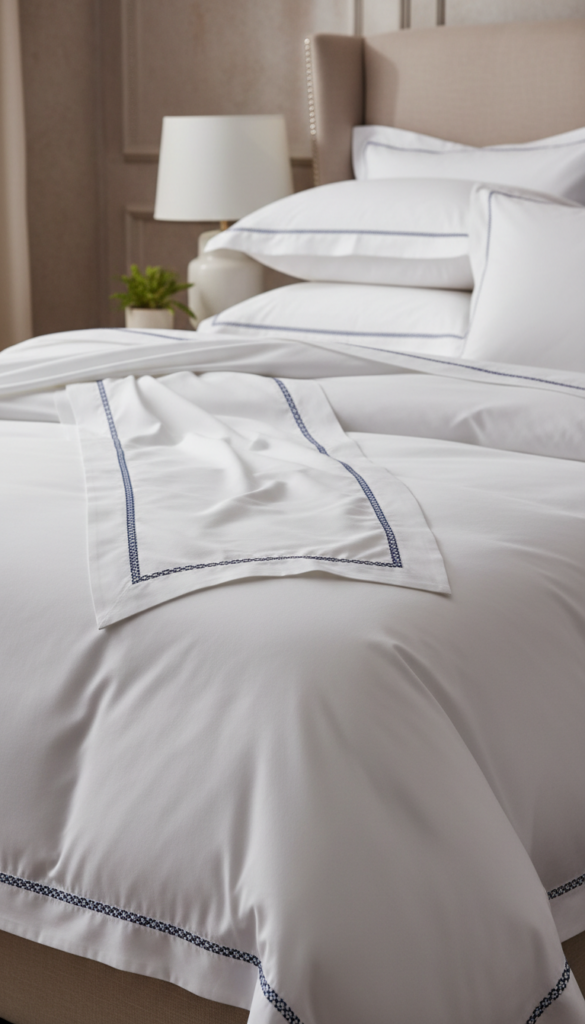
The foundation of any luxurious bedroom is the bed itself. The old money aesthetic favors crisp, white bedding over busy patterns or synthetic blends. Think high thread count percale cotton or high-quality linen that gets softer with every wash.
How To Get The Look:
- Stick to stark white or cream sheets for a clean, fresh base.
- Look for subtle details like a single embroidered border or scalloped edges in a contrasting color (navy or hunter green).
- Invest in a fluffy, high-fill duvet that looks substantial and inviting.
2. Dark Wood Antiques
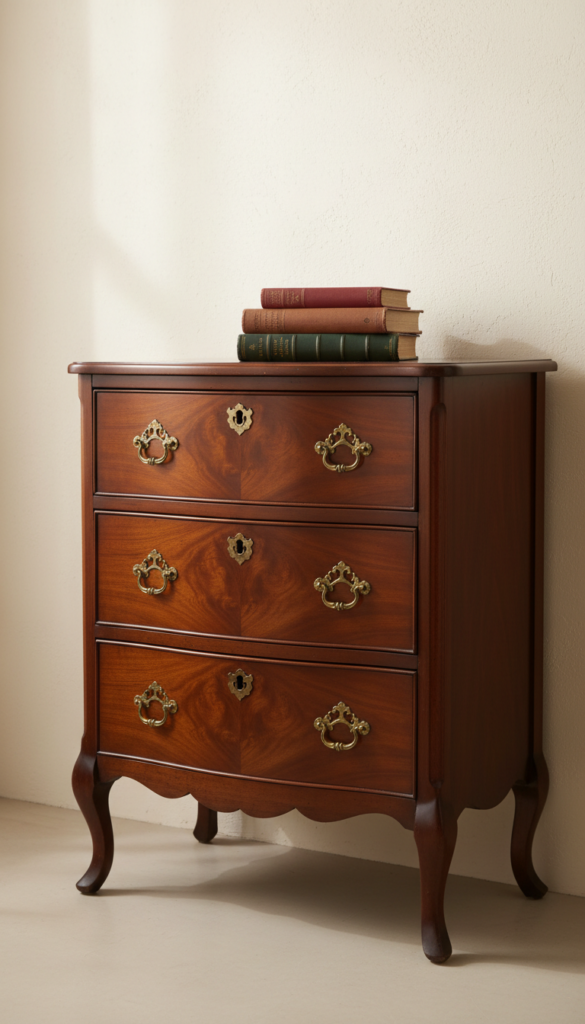
Modern furniture often feels flimsy and temporary. To capture that heritage vibe, you need furniture with weight and history. Dark woods like mahogany, walnut, or cherry add instant warmth and gravity to the room.
How To Get The Look:
- Scour estate sales or vintage shops for a solid wood nightstand or a chest of drawers.
- Avoid matching sets; the goal is for the room to look collected over time, not bought from a catalog page.
- Look for classic detailing like brass hardware or turned legs.
3. Floor-to-Ceiling Drapes
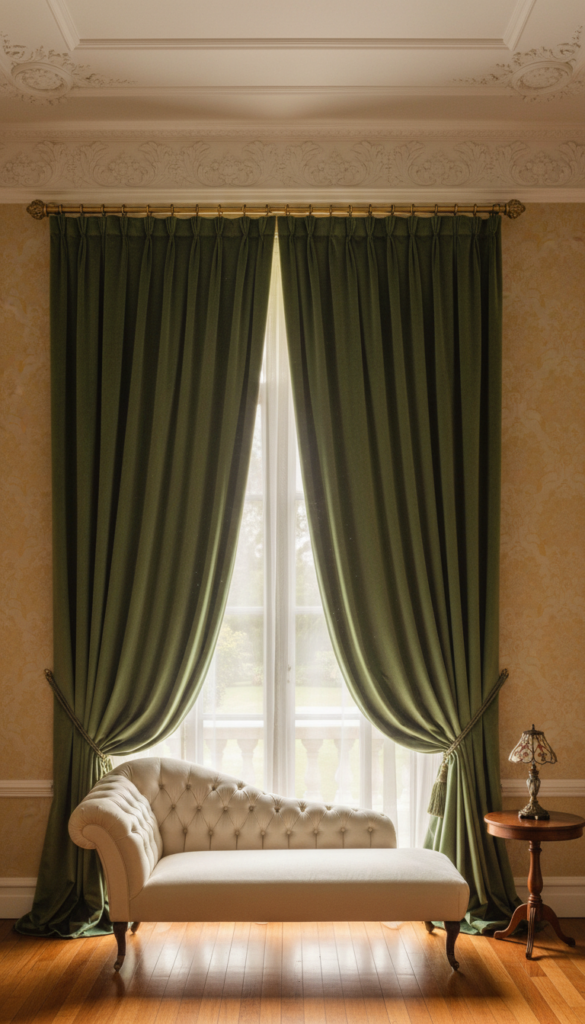
Window treatments in heritage homes are never an afterthought. They are substantial, functional, and dramatic. Flimsy blinds or short curtains that barely cover the window frame will break the illusion of luxury.
How To Get The Look:
- Install curtain rods as high as possible (near the ceiling) to make the room feel taller.
- Choose heavy fabrics like velvet, thick linen, or heavy silk damask.
- Ensure the drapes kiss the floor or “puddle” slightly for a romantic, generous look.
4. A Statement Headboard
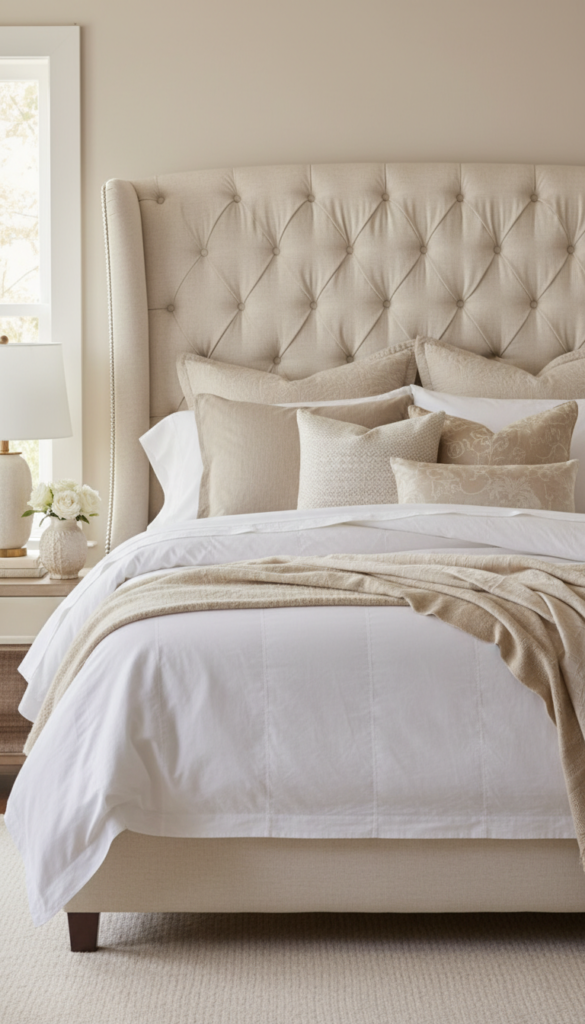
Your bed is the focal point, and the headboard is its crown. Old money bedrooms often feature upholstered headboards that offer comfort for reading in bed, or intricate wooden frames that serve as art pieces.
How To Get The Look:
- Opt for a tall, tufted headboard in a neutral fabric like linen or velvet.
- Consider a classic shape, such as a camelback or wingback design.
- If you prefer wood, look for carved detailing or a four-poster frame.
5. Classic Oil Paintings
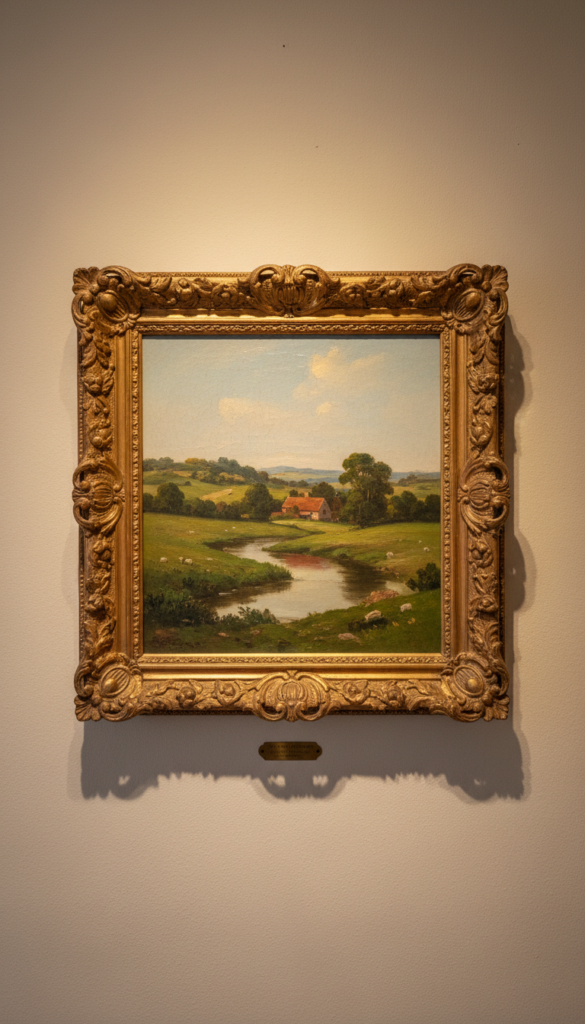
Art creates the soul of a room. To achieve this aesthetic, steer clear of mass-produced abstract prints or motivational quotes. Instead, lean toward traditional subjects like landscapes, equestrian scenes, or portraits.
How To Get The Look:
- Frame art in ornate gold or dark wood frames.
- Look for vintage oil paintings at flea markets or thrift stores—imperfections add character.
- Create a gallery wall, or place one large, impactful piece above the bed or dresser.
6. A Persian or Oriental Rug
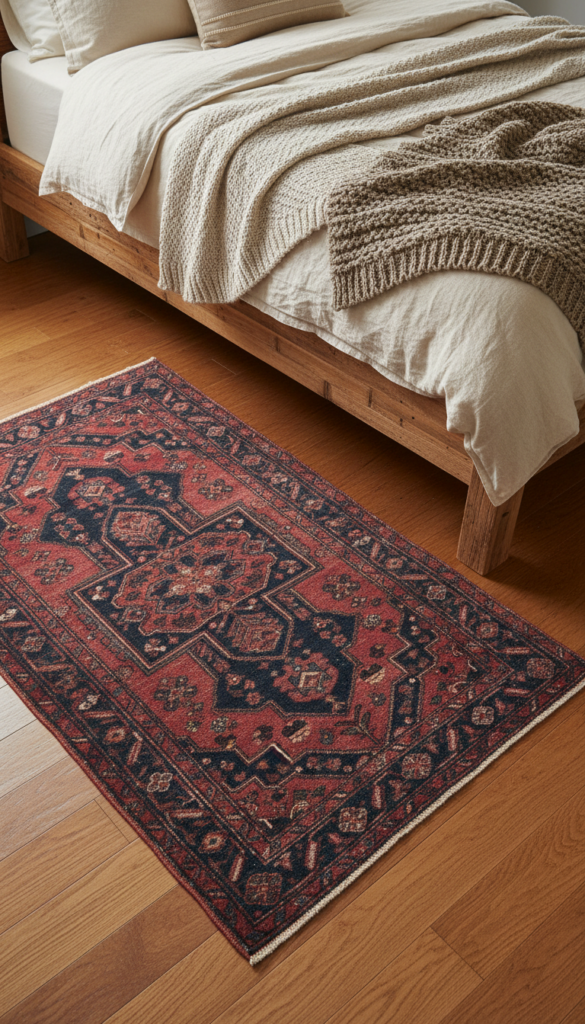
Nothing grounds a room quite like a hand-knotted wool rug. These pieces add pattern, color, and texture without feeling chaotic. They suggest a well-traveled life and an appreciation for artisan goods.
How To Get The Look:
- Choose rich, deep colors like burgundy, navy, and gold.
- Don’t worry if the rug looks a little worn; a bit of fading adds to the authentic, lived-in appeal.
- Layer it over hardwood floors or even over a neutral wall-to-wall carpet.
7. Chinoiserie Accents
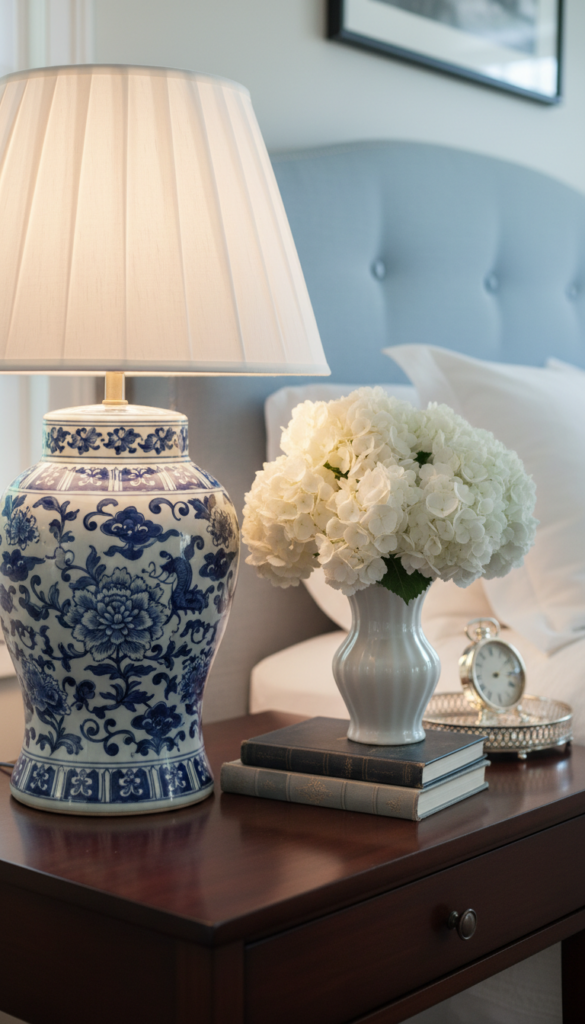
Chinoiserie—the European interpretation of East Asian artistic traditions—has been a staple in upper-class Western interiors for centuries. A touch of this pattern, often found on ginger jars or ceramics, adds a layer of sophisticated pattern.
How To Get The Look:
- Place a blue and white ceramic lamp on your bedside table.
- Use a decorative ginger jar to hold fresh flowers.
- Incorporate a small throw pillow with a toile or chinoiserie print.
8. Warm, Layered Lighting
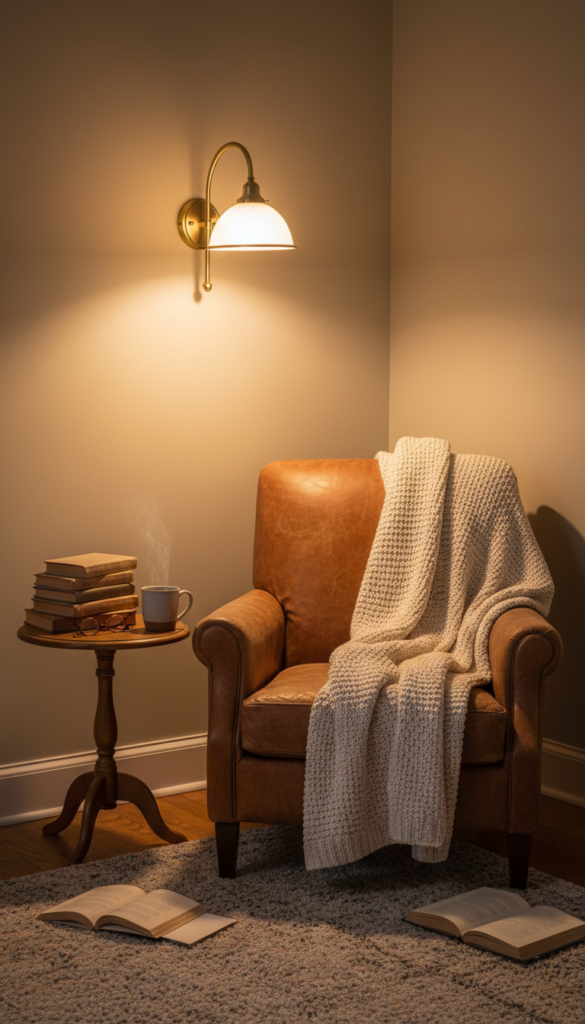
Harsh overhead lighting is the enemy of luxury. An old money bedroom relies on lamps and sconces to create a warm, flattering glow. The fixtures themselves should be made of classic materials like brass, ceramic, or crystal.
How To Get The Look:
- Use lampshades made of silk or pleated fabric rather than paper or plastic.
- Install brass wall sconces for reading lights to free up nightstand space.
- Use warm-toned lightbulbs (2700K) to mimic the glow of candlelight.
9. Subtle Monogramming
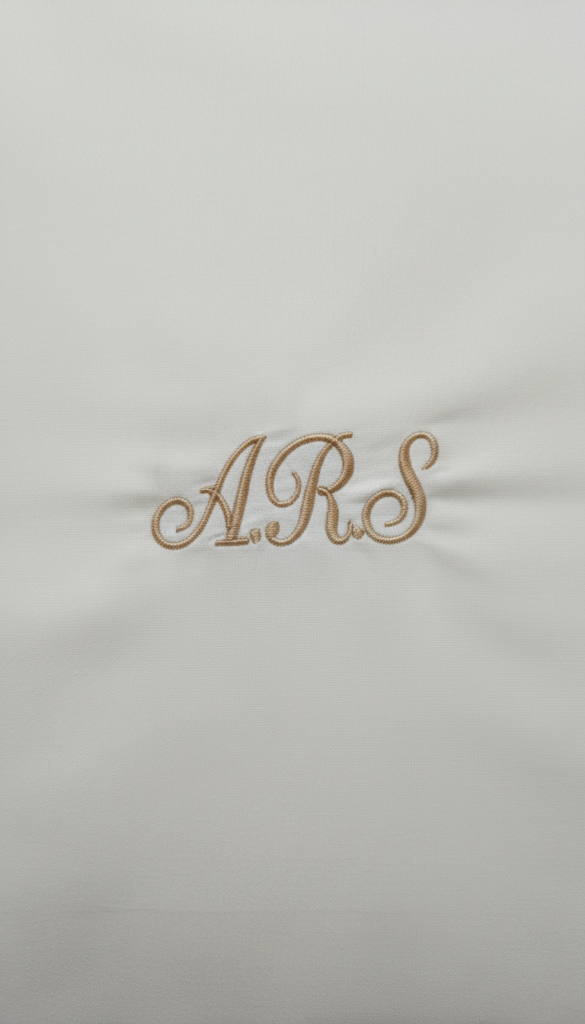
Personalization is the ultimate signifier of luxury. It implies that an item was made specifically for you. However, in this aesthetic, monograms are small and discreet, never loud.
How To Get The Look:
- Add a monogram to your pillow shams in a thread color that matches your duvet border.
- Place a small, monogrammed trinket tray on the dresser for jewelry.
- Keep the font classic—script or block letters work best.
Cultivating Timeless Elegance
Achieving the old money aesthetic isn’t about spending the most money; it’s about making the most intentional choices. It is about valuing quality materials, respecting traditional design, and creating a space that feels like a retreat from the noise of the modern world.
By incorporating these nine essentials, you can build a bedroom that feels luxurious today and will look just as good fifty years from now.
Frequently Asked Questions (FAQs)
1. What exactly is the “old money” aesthetic?
It refers to a style of interior design (and fashion) that prioritizes quality, heritage, and timelessness over trends. It mimics the look of generational wealth—think country clubs, Ivy League universities, and historic estates—focusing on subtle luxury rather than flashy logos.
2. Can I achieve this look on a budget?
Absolutely. Because this style relies on vintage furniture and natural materials, you can find many great pieces at thrift stores, estate sales, and flea markets. The key is to look for solid wood, brass, and natural fabrics like cotton and wool, regardless of the brand.
3. What color palette works best for this style?
Stick to a base of neutrals (creams, whites, beiges) and incorporate deep, rich accents. Navy blue, hunter green, burgundy, and chocolate brown are classic choices that add depth without feeling too bright or trendy.
4. Is minimalism part of the old money aesthetic?
Not strictly. While the look shouldn’t be cluttered, it is generally “maximalist” in a curated way. It embraces layers—rugs, books, art, and heavy drapes—creating a cozy, lived-in atmosphere rather than a stark, empty space.
5. Do I need to buy everything at once?
No, and you shouldn’t. The most authentic old money rooms look “collected” over decades. Start with the basics, like good bedding and a quality rug, and slowly add antiques and art as you find pieces you truly love.