Some links in this blog are affiliate links. If you make a purchase through these links, I may receive a small commission. This helps support the site at no extra cost to you.
Luxury is often misunderstood as excess, but true luxury feels quiet, intentional, and deeply personal.
Zen bedroom décor is rooted in this idea. It is not about empty spaces or strict minimalism, but about creating an environment where calm and comfort coexist with refinement.
A Zen-inspired bedroom slows the mind the moment you step inside. The colors soften your breathing, the textures ground your senses, and the layout feels effortless rather than styled.
In Japanese philosophy, the bedroom is considered a restorative zone, not a decorative one. When Zen principles meet modern luxury, the result is a space that feels curated yet unforced, peaceful yet indulgent.
This guide explores eight bedroom Zen décor ideas that feel calm yet luxurious, blending natural elements, thoughtful design, and subtle opulence. Each idea is designed to inspire without overwhelming, making your bedroom a sanctuary rather than a showcase.

Table of Contents

8 Best Bedroom Zen Décor Ideas
1. Neutral Color Palettes With Soft Depth
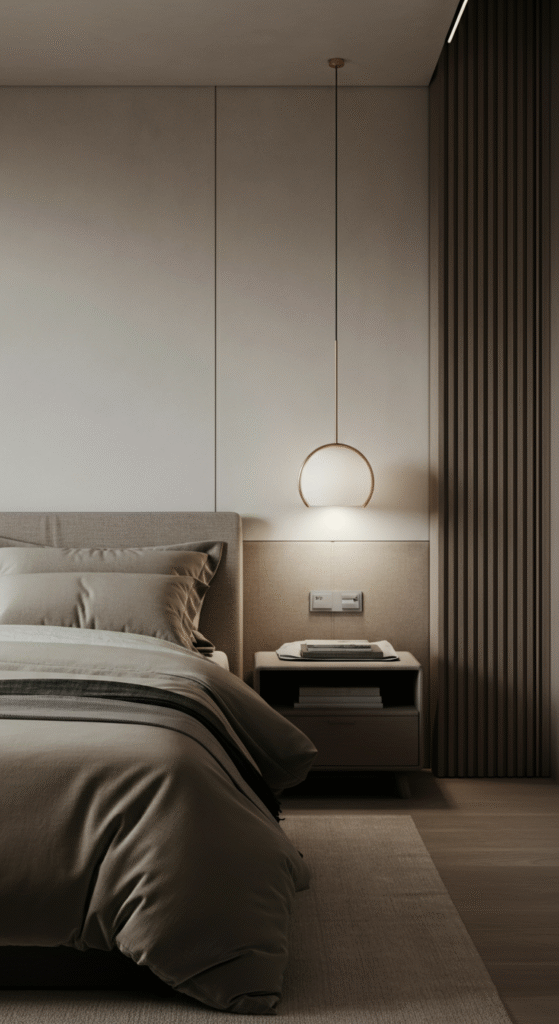
A Zen bedroom begins with color restraint, but luxury enters through layering rather than bold contrast.
Neutral tones like warm beige, stone gray, muted taupe, and soft ivory form the foundation. These shades reduce visual noise and allow the mind to settle naturally.
Instead of flat color walls, introduce depth through tonal variation. A slightly darker headboard, textured bedding in a similar hue, or a soft limewash finish adds richness without distraction.
Do you know that traditional Zen interiors rarely use pure white? Off-whites and mineral-based shades were preferred because they age gracefully and feel warmer under natural light.
Luxury in this palette comes from restraint. When everything belongs to the same visual family, the room feels intentional rather than empty.
Shopping List
- Neutral tone linen bed sheet set
- Beige cotton duvet cover
- Stone gray pillow cover set
- Taupe upholstered headboard
- Ivory blackout curtains
- Textured neutral area rug
- Ceramic table lamp in sand finish
- Neutral throw blanket in cotton
- Matte off-white wall art
- Minimal fabric lampshade
- Soft neutral bed skirt
- Warm beige mattress topper
- Natural fiber curtain tiebacks
- Neutral bedside table runner
- Earth-tone decorative cushion covers
2. Low-Profile Furniture That Grounds the Space
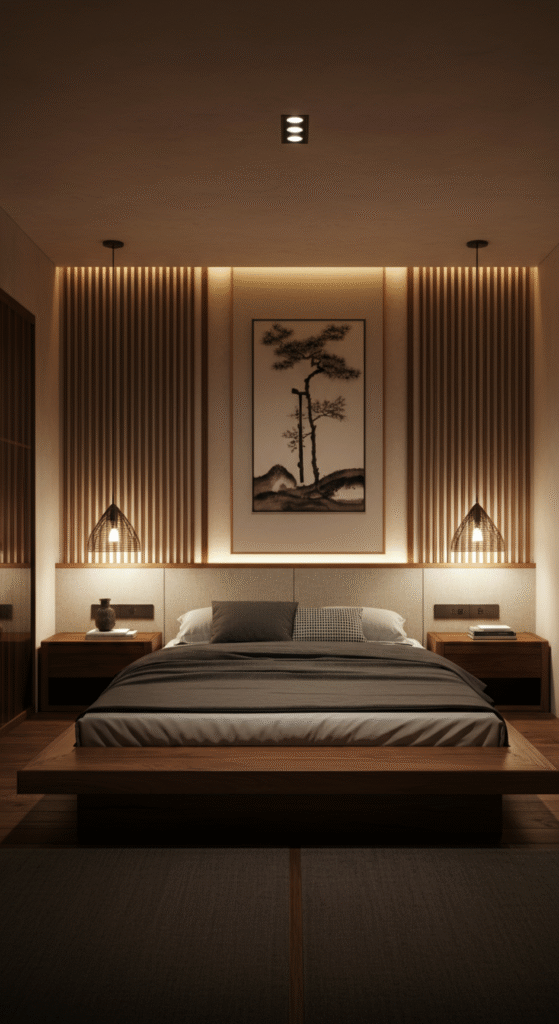
Zen design favors furniture that sits closer to the ground. This visual grounding creates a sense of stability and calm.
A low platform bed instantly transforms the bedroom into a serene retreat. It encourages a horizontal flow, making the space feel wider and more relaxed.
Pair it with streamlined nightstands that sit just below mattress height. Avoid bulky legs or ornate details. Clean lines allow the materials to speak for themselves.
Interestingly, lower beds were historically believed to improve sleep quality by keeping the body closer to the earth, reinforcing a sense of security and balance.
Luxury emerges through craftsmanship. Solid wood frames, seamless joinery, and subtle curves elevate simplicity into sophistication.
Shopping List
- Low-profile wooden platform bed
- Minimal solid wood nightstand
- Japanese-style tatami bed frame
- Floor-level bedside table
- Simple wood bench for bedroom
- Low wooden storage cabinet
- Minimal floating shelf for bedroom
- Solid wood bed base
- Compact floor seating cushion
- Minimal wood drawer unit
- Scandinavian low dresser
- Natural wood shoe bench
- Low-profile headboard panel
- Wooden floor lamp with slim base
- Compact bedside stool
3. Natural Materials That Age Beautifully
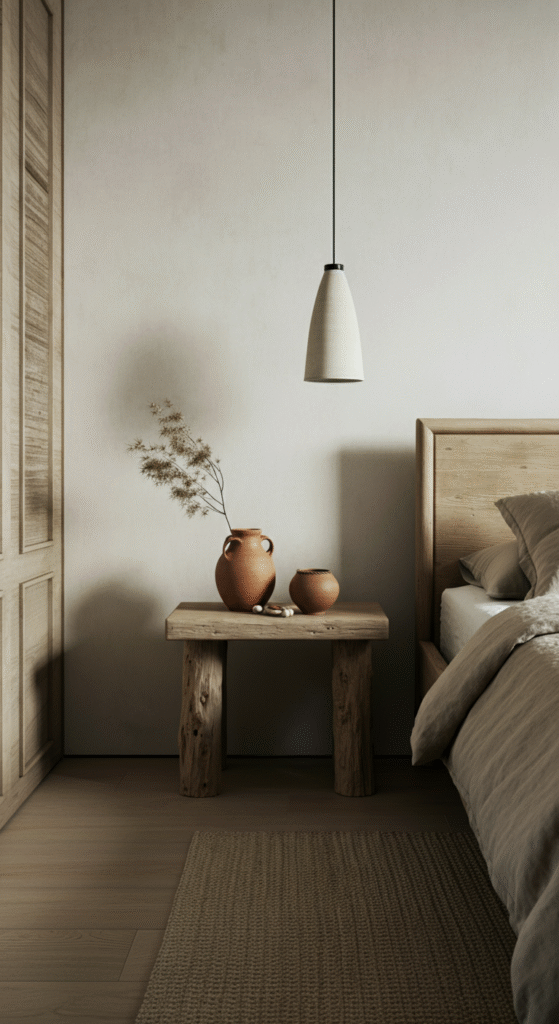
Zen décor is deeply connected to nature, and nothing feels more luxurious than materials that improve with time.
Wood, linen, stone, clay, and wool create a tactile environment that feels authentic rather than manufactured.
Choose wood with visible grain rather than glossy finishes. Linen bedding with a soft crumple adds quiet elegance. A stone bedside surface introduces weight and permanence.
There is a Zen concept called wabi-sabi, which celebrates imperfection and aging. In this philosophy, a small knot in wood or natural variation in stone is not a flaw but a feature.
Luxury in Zen bedrooms is not polished perfection. It is the confidence to let materials be honest and lived-in.
Shopping List
- Solid wood bed frame
- Linen bedding set
- Stone bedside table
- Handcrafted ceramic vase
- Bamboo bedside lamp
- Natural jute area rug
- Wooden wall panel décor
- Clay decorative bowl
- Rattan storage basket
- Cotton woven throw blanket
- Handmade pottery décor
- Natural cork table mat
- Wool accent rug
- Wooden tray for nightstand
- Organic cotton pillow inserts
4. Soft, Layered Lighting Instead of a Single Statement
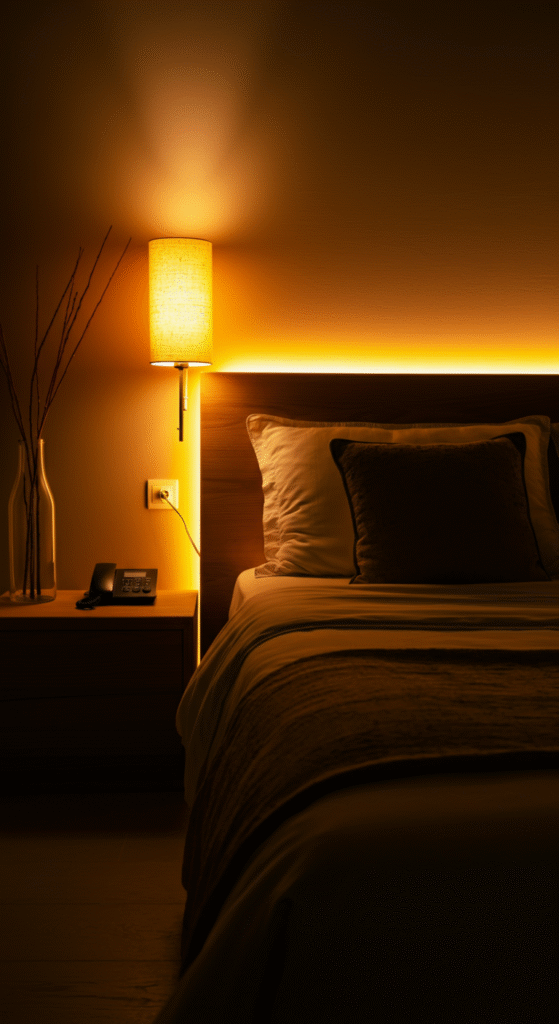
Lighting defines mood more than any other element in a Zen bedroom.
Avoid relying on one overhead fixture. Instead, layer multiple soft light sources that create gentle shadows and warmth.
Bedside lamps with fabric shades, concealed LED strips behind headboards, or floor lamps with diffused glow allow the room to shift from functional to restorative.
In traditional Zen spaces, lighting was designed to mimic daylight transitions, supporting the body’s natural rhythm rather than overpowering it.
Luxury lighting does not announce itself. It reveals textures, softens edges, and makes the room feel alive after sunset.
Shopping List
- Fabric shade bedside lamp
- Warm LED strip lighting
- Paper lantern floor lamp
- Minimal table lamp with dimmer
- Soft glow night lamp
- Wall-mounted reading light
- Ambient floor lamp
- Warm white LED bulb set
- Bedside touch lamp
- Indirect lighting wall sconce
- Cloth-covered lampshade
- Low-light ceramic lamp
- Soft-focus bedside light
- Warm tone nightstand lamp
- Minimal accent light for bedroom
5. Minimal Décor With Meaningful Presence
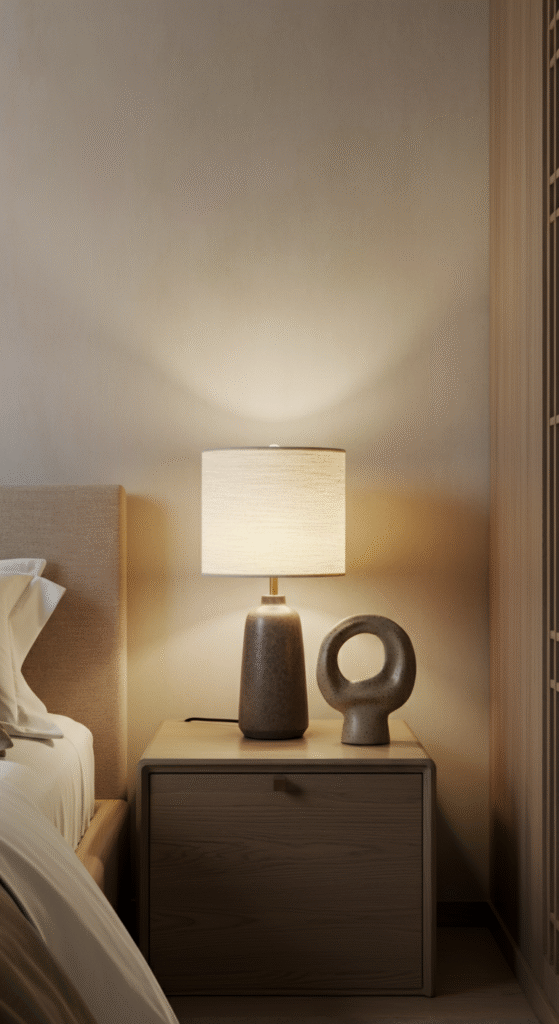
Zen bedrooms avoid clutter, but they are never empty.
Each decorative element is chosen with intention. A single ceramic vase, a sculptural lamp, or a handwoven wall piece becomes a focal point without competing for attention.
Rather than filling surfaces, allow negative space to exist. This breathing room is essential to the Zen experience.
There is a common myth that minimal décor feels cold. In reality, when objects are meaningful and well-placed, the space feels warmer and more personal.
Luxury here lies in editing. Owning fewer things but choosing them carefully creates an environment that feels curated rather than sparse.
Shopping List
- Ceramic decorative vase
- Minimal abstract wall art
- Stone sculpture décor
- Single-stem flower vase
- Wooden decorative bowl
- Handmade clay ornament
- Neutral framed art print
- Minimal table sculpture
- Zen-inspired décor object
- Natural wood décor accent
- Textured ceramic décor piece
- Small indoor planter
- Matte finish décor tray
- Neutral tone candle holder
- Simple tabletop art object
6. Organic Textiles That Invite Touch
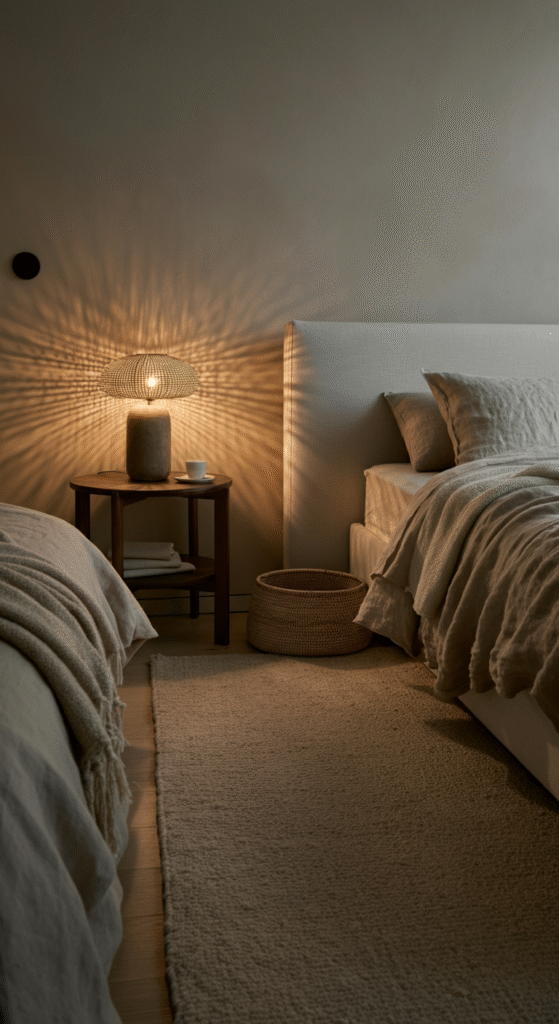
Texture is the bridge between calm and comfort.
Zen bedrooms rely on organic textiles that feel soothing to the skin. Linen sheets, cotton throws, wool rugs, and silk cushions introduce softness without visual clutter.
Layering is key. A bed dressed in multiple textures within the same color family feels indulgent without becoming busy.
Historically, Zen monks believed that tactile comfort supported mental clarity, as physical discomfort could distract the mind during rest or meditation.
Luxury textiles do not need patterns or embellishments. Their value is felt the moment you touch them.
Shopping List
- Linen bedsheet set
- Cotton duvet cover
- Wool area rug
- Soft cotton throw blanket
- Textured pillow cover set
- Organic cotton bedspread
- Handwoven bedside rug
- Breathable cotton mattress protector
- Natural fiber cushion covers
- Lightweight linen blanket
- Soft quilted bed cover
- Neutral fabric bench cover
- Organic cotton pillowcases
- Wool blend throw
- Textured fabric bed runner
7. Thoughtful Layout That Encourages Flow
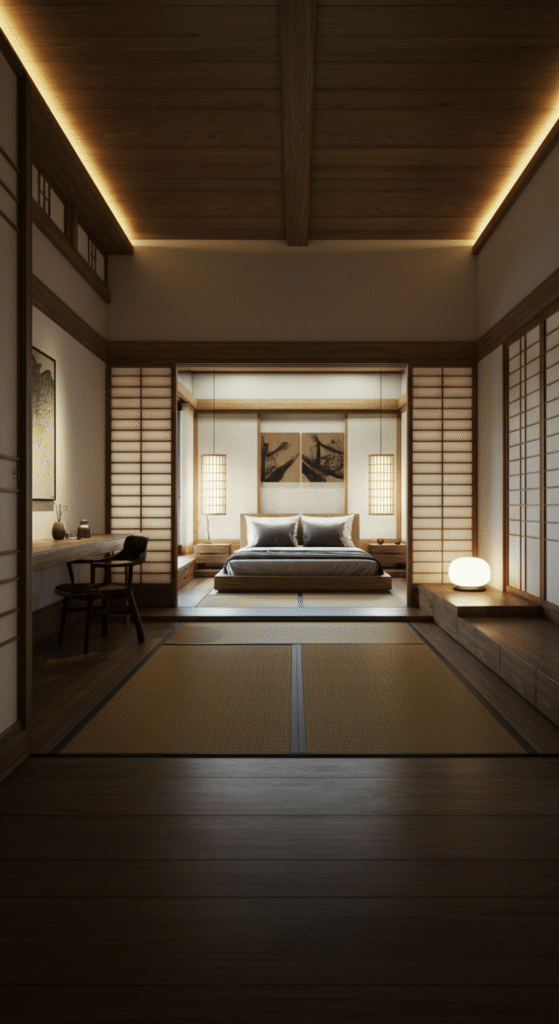
A Zen bedroom is designed around movement and energy rather than decoration.
Furniture placement should allow easy circulation and visual openness. Avoid blocking windows, overcrowding corners, or pushing everything against walls.
The bed should feel anchored, often centered on the longest wall, creating symmetry and balance. Nightstands and lighting should mirror each other subtly without feeling rigid.
In Zen philosophy, blocked pathways are believed to disrupt energy flow, creating subconscious tension even during rest.
Luxury in layout comes from comfort. When the room feels intuitive to move through, it supports deeper relaxation.
Shopping List
- Minimal bedside table
- Floating wall shelf
- Slim bedside lamp
- Compact bedroom bench
- Under-bed storage box
- Wall-mounted nightstand
- Foldable bedroom stool
- Corner floor lamp
- Minimal clothing rack
- Bedside tray table
- Slim storage cabinet
- Compact ottoman
- Open shelving unit
- Bedside magazine holder
- Low-profile storage baskets
8. Subtle Sensory Details That Elevate the Experience
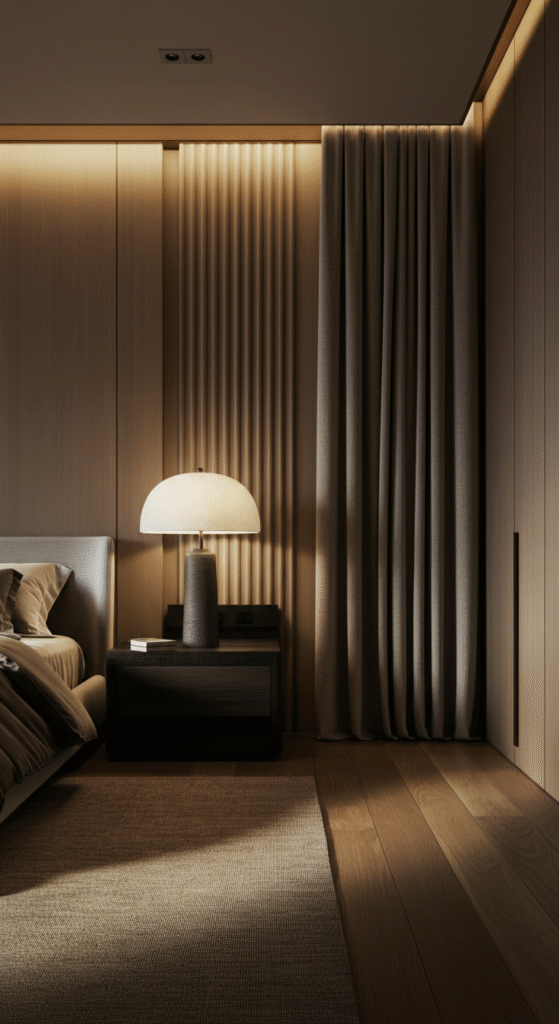
True luxury is multi-sensory, and Zen décor understands this deeply.
Incorporate elements that engage more than just sight. A soft rug underfoot, gentle curtains that move with air, or a quiet sound absorber that reduces echo can transform how the room feels.
Natural scents from wood, dried botanicals, or mineral-based finishes add another layer of calm.
Interestingly, Zen environments were designed to be acoustically gentle, reducing sharp sounds that could disturb meditation or sleep.
Luxury here is invisible. It is felt rather than seen, experienced rather than displayed.
Shopping List
- Natural soy candle
- Essential oil diffuser
- Soft bedroom area rug
- Sheer linen curtains
- Sound-absorbing wall panel
- Fabric bed canopy
- Aromatic wood décor piece
- Weighted blanket
- Soft bedside mat
- Calming room fragrance
- Textured foot rug
- Breathable cotton curtains
- Quiet ceiling fan
- Natural incense holder
- Soft fabric wall hanging
Conclusion
A Zen bedroom is not about following rules or trends. It is about creating a space that supports rest, clarity, and quiet confidence.
When calm design principles merge with refined materials and thoughtful choices, luxury becomes subtle rather than showy.
These eight Zen décor ideas prove that a bedroom can feel serene without sacrificing comfort or sophistication. Neutral tones, natural materials, layered lighting, and intentional simplicity work together to create a retreat that restores both body and mind.
The most luxurious bedrooms are not the ones that impress guests, but the ones that welcome you at the end of every day.
When your bedroom feels calm yet luxurious, rest stops being a routine and becomes a ritual.
Frequently Asked Questions (FAQs)
What defines Zen bedroom décor?
Zen bedroom décor focuses on simplicity, natural materials, balance, and calm layouts that support rest and mental clarity.
Can a Zen bedroom still feel luxurious?
Yes. Luxury in Zen décor comes from high-quality materials, thoughtful design, and subtle details rather than excess decoration.
Which colors work best for a Zen bedroom?
Soft neutrals such as beige, taupe, stone gray, muted ivory, and warm earth tones create a calming foundation.
Is minimal furniture required for Zen design?
Zen design prefers fewer pieces, but each item should be functional, well-crafted, and intentionally placed.
Are natural materials essential in Zen décor?
Yes. Wood, linen, cotton, stone, and wool help create a grounded and serene atmosphere.