Some links in this blog are affiliate links. If you make a purchase through these links, I may receive a small commission. This helps support the site at no extra cost to you.
There is something quietly powerful about a bedroom that feels calm the second you walk in. Not because it has expensive furniture or big décor pieces, but because the room breathes. Japandi style really leans into that idea.
It blends Japanese minimalism with Scandinavian warmth, giving you spaces that feel simple, intentional, and honestly a bit soothing after a long day. And one of the easiest ways to bring that vibe into your bedroom is shelving.
Shelves are often treated like storage, but in Japandi design, they become quiet storytellers. They hold your everyday items in a clean, clutter-free way while also giving you little pockets of beauty. If you ever felt like your bedroom looks a bit noisy or mismatched, this list will help you fix that without throwing away everything you own.
Here are 11 unique bedroom shelving ideas for a Japandi calm and simple space. These ideas work for small rooms, large rooms, rentals, and even shared spaces. And you might even catch a few myths or interesting facts along the way, because design is full of surprises.

Table of Contents
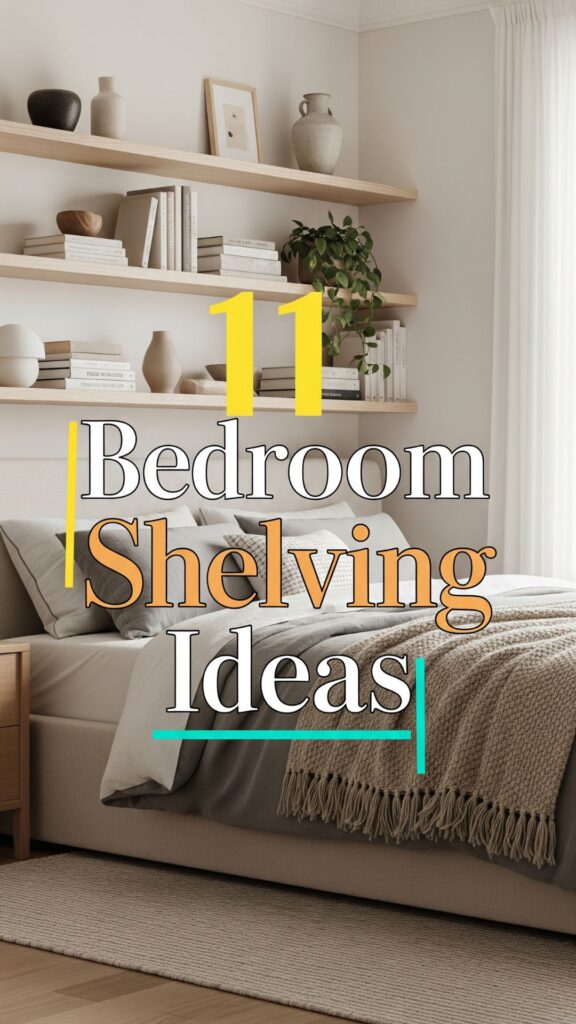
11 Bedroom Shelving Ideas for a Japandi Calm
1. Floating Wood Shelves That Blend Into the Wall
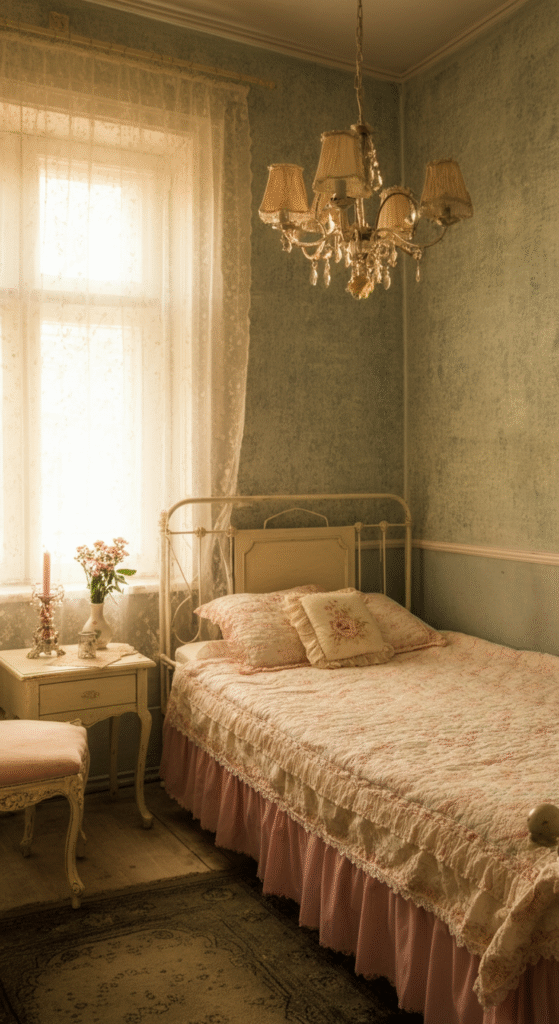
Floating shelves are basically the backbone of Japandi styling.
They keep your space open, add clean lines, and hold your essentials without shouting for attention. Go for warm wood tones like ash, oak, or bamboo if you want that balanced Scandinavian softness and Japanese natural texture.
Do you know that in traditional Japanese interiors, objects are often displayed with generous empty space around them because negative space is seen as calming for the mind. Floating shelves help you recreate that same philosophy.
Use them above nightstands, above the bed, or even running along a small section of the wall.
Shopping List
- Solid Oak Floating Wall Shelf
- Bamboo Wall Mounted Shelf Set
- Minimalist Pine Floating Shelf
- Reclaimed Wood Floating Shelf
- Walnut Wall Shelf Board
- Light Birch Floating Ledge
- Natural Wood Display Shelf
- Rustic Mango Wood Floating Shelf
- Modern Invisible Bracket Shelf
- Thin Line Minimal Wall Shelf
- Natural Tone Wall Mounted Rack
- Light Ash Veneer Floating Shelf
- Simple Scandinavian Wall Shelf
- Matte Finish Wall Mounted Shelf
- White Oak Slim Floating Shelf
- Neutral Tone Wooden Shelf Board
- Wall Mounted Minimal Display Shelf
- Extra Long Floating Ledge Shelf
2. Low Horizontal Shelving for a Grounded Look
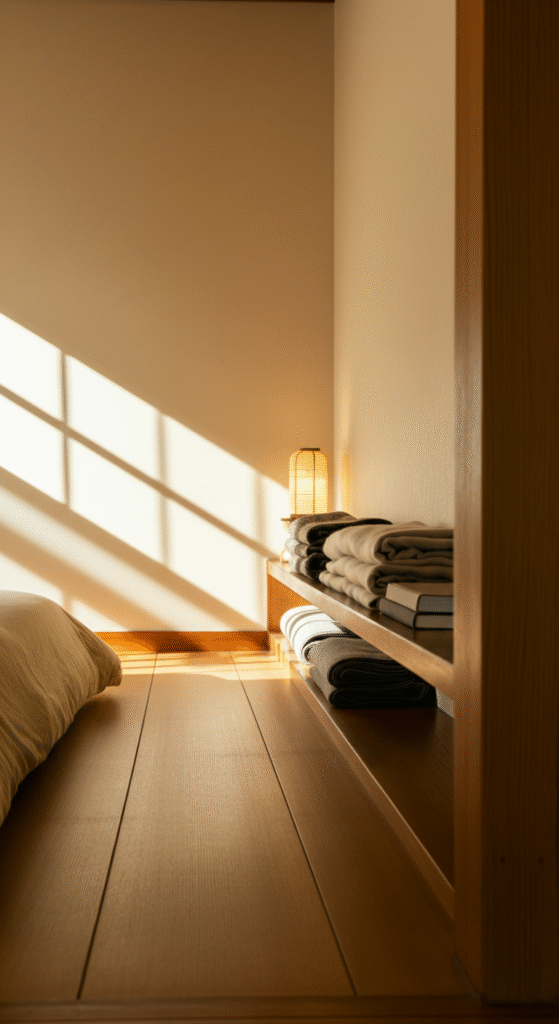
Japandi style loves a low and grounded look.
Low horizontal shelves are perfect if you want the room to feel more spacious instantly. They also work amazingly well in smaller bedrooms where tall shelves feel too busy.
You can use these as:
A low bookshelf
A display for folded blankets
A landing spot for candles and soft décor
Interesting fact. Scandinavian homes often use low furniture to let natural light travel across the room. Combine that with Japanese minimalism and you get the perfect serene vibe.
Shopping List
- Low Profile Wooden Storage Bench
- Scandi Style Low Media Unit
- Minimal Floor Shelf Console
- Wide Wooden Base Shelf
- Oak Low Bookshelf
- Bamboo Floor Level Shelf
- Japanese Style Tatami Shelf
- Low Height Display Unit
- Natural Wood Floor Console
- Long Minimal Wooden Bench
- Birch Wood Floor Shelf
- Simple Sitting Height Shelf
- Wide Base Storage Ledge
- Flat Wooden Console Table
- Solid Wood Platform Shelf
- Neutral Tone Low Storage Base
- Open Shelf Floor Unit
- Japandi Style Low Display Console
3. Wall Niche Shelves That Feel Built In
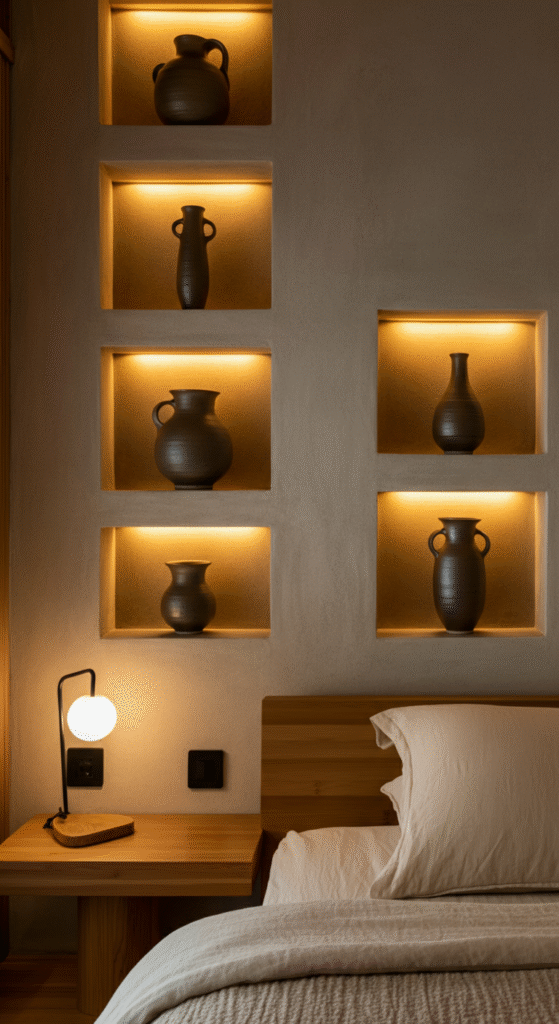
Wall niches are a quiet luxury move that look very Japandi even if your whole room isn’t.
They remove visual clutter since they don’t extend outward like traditional shelving. If you want something subtle that almost feels invisible, niche shelves are ideal.
You can build them around the bed, near the dressing area, or even above a reading corner.
A common myth is that niche shelves only suit modern homes. In reality, they work beautifully with warm woods, textured walls, and soft Japandi palettes.
Shopping List
- Recessed Wall Shelf Insert
- Drywall Niche Insert Kit
- Built In Wall Shelf Frame
- Floating Niche Storage Box
- Pre Framed Wall Niche Panel
- Minimal Niche Display Ledge
- Recessed Bathroom and Bedroom Shelf
- Hidden Wall Storage Niche
- Plaster Ready Wall Shelf Insert
- Deep Recess Shelf Box
- Modern Rectangular Niche Insert
- Smooth White Wall Niche Kit
- Ready to Paint Built In Shelf
- Slim Recess Display Wall Cubby
- Wood Frame Wall Niche Insert
- Neutral Tone Insertable Shelf
- Wide Recessed Display Niche
- Vertical Built In Shelf Panel
4. Open Ladder Shelving for Airy Storage
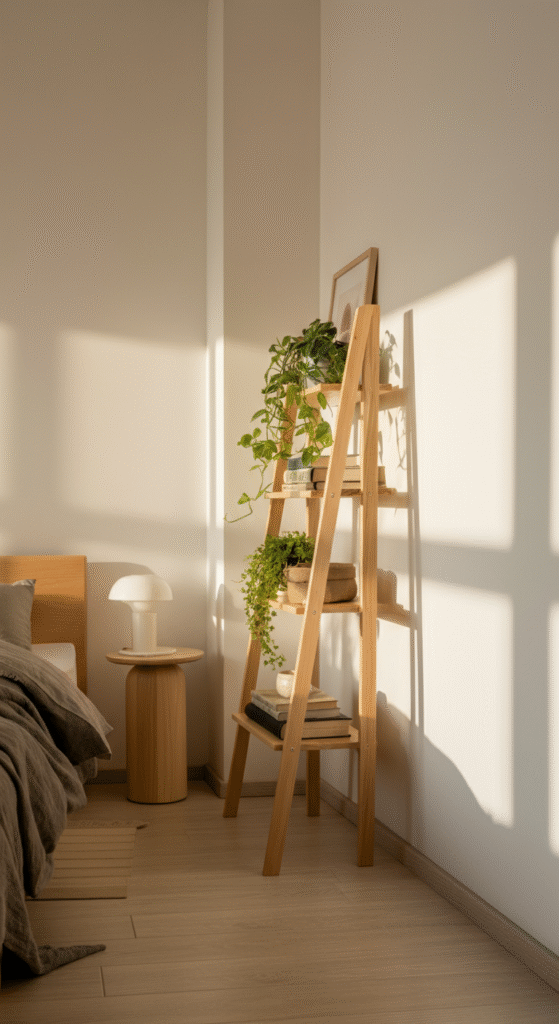
Ladder shelves feel casual and relaxed but still intentional.
They give vertical height without looking heavy, which perfectly matches the Japandi balance of structure and softness. Plus, they help you store items without creating a bulky furniture moment.
Use them for:
Plants
Folded linens
Books
Soft lighting pieces like lanterns
If you have a tiny bedroom, ladder shelves are a blessing. They look stylish but don’t steal floor space the way a full cabinet does.
Shopping List
- Wooden Leaning Ladder Shelf
- Scandinavian Bamboo Ladder Rack
- Five Tier Leaning Shelf Unit
- Minimal A Frame Ladder Shelf
- Natural Wood Ladder Organizer
- Slim Wall Lean Shelf
- White Wash Ladder Bookcase
- Light Oak Leaning Display Shelf
- Soft Wood Angle Shelf
- Tall Lean Ladder Storage Rack
- Open Frame Minimal Shelf
- Urban Lean Shelf System
- Neutral Color Ladder Book Rack
- Rustic Bamboo Ladder Stand
- Compact Lean Shelf Unit
- Japandi Tone Leaning Shelf
- Slatted Wood Ladder Display
- Simple Upright Ladder Shelf
5. Built In Shelving Around the Bed Frame
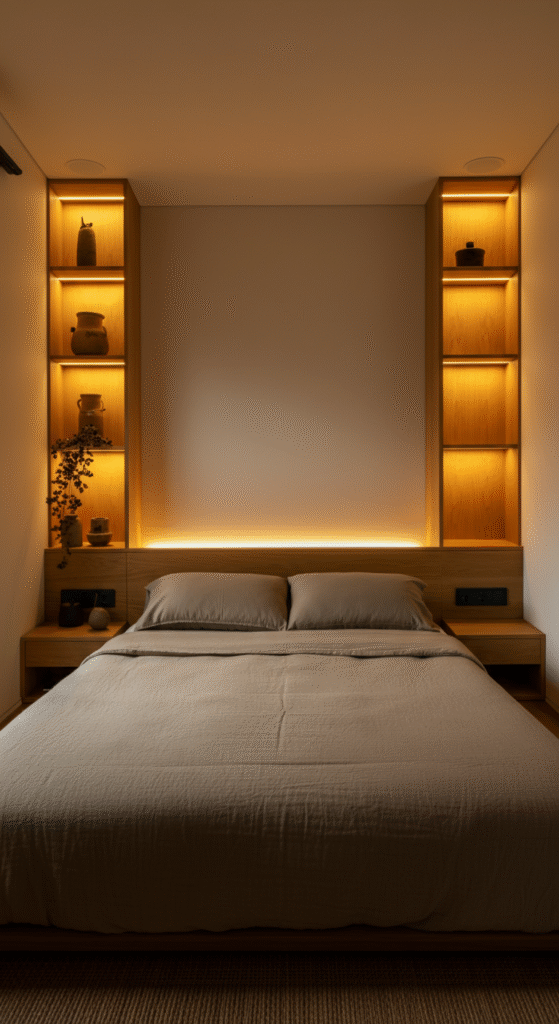
This idea feels like a calm hotel room that you never want to leave.
Built in shelving around the bed keeps everything symmetrical, clean, and visually balanced. You can do open storage or mix it with a few closed cabinets. Both suit Japandi style nicely.
Do you know that Japanese interiors often use built in elements to reduce furniture footprints. It helps the room feel more peaceful, as if everything has been thought out before you even walk in.
Consider using soft LED lighting at the back of shelves to add depth.
Shopping List
- Modular Bedside Shelf System
- Headboard Storage Shelf Attachments
- Wall Mounted Bed Surround Shelf
- Scandi Wooden Bed Wall Unit
- Minimal Bed Frame Shelving Add On
- Customizable Wall Shelf Panels
- Low Profile Headboard Shelf
- Wide Wall Shelf with Side Extensions
- Wooden Bed Alcove Shelving
- Integrated Wall Storage System
- Oak Wood Built In Shelf Set
- Bed Niche Storage Panels
- Slatted Bed Surround Shelf
- Vertical Bedside Shelf Tower
- Natural Wood Wrap Around Shelving
- Modular Storage Cubes for Bed Area
- Neutral Built In Bed Shelf Panels
- Wide Framed Bed Storage System
6. A Single Long Minimal Shelf as a Statement Line
Instead of stacking multiple small shelves, one long minimalist shelf creates a sleek horizontal line that feels extremely Japandi.
Place it above the bed, above a desk, or on the longest wall in the room. Keep décor simple. Maybe a few pottery pieces, a soft plant, or curated books with natural covers.
This shelf acts as a design anchor for the room and prevents visual noise.
A tiny fun fact. Visual psychologists say long straight lines can make a space feel restful because your eyes glide across without interruption. Japandi design leans heavily on this principle.
Shopping List
- Extra Long Wooden Wall Shelf
- 120 Inch Floating Shelf
- Wide Span Minimal Ledge
- Seamless Oak Wall Shelf
- Scandi Style Long Display Shelf
- Single Board Wall Shelf
- Ultra Long Birch Shelf
- Light Walnut Straight Line Shelf
- Japandi Minimal Rail Shelf
- Matte Finish Linear Shelf
- Full Wall Wooden Shelf Board
- Long Pine Wall Mounted Beam Shelf
- Neutral Tone Horizontal Shelf
- Solid Timber Long Shelf
- Light Ash Floating Line Shelf
- Modern Long Span Shelf
- Ultra Thin Minimal Shelf Board
- Rustic Long Wooden Ledge
7. Mixed Material Shelving Using Wood and Metal
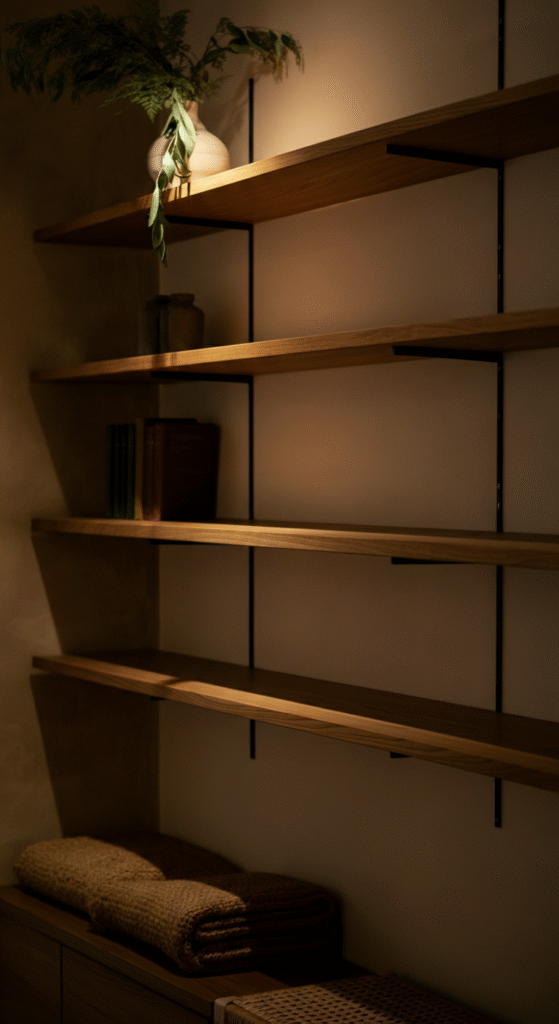
While Japandi is mostly wood driven, mixing in soft matte metal can create balance.
Choose shelves with wood boards and slim metal brackets stained in black or muted taupe. Avoid glossy finishes, as they break the natural calm.
This style suits people who want minimalism but not too plain.
You can use it for a cozy reading nook, a work corner, or a display wall where you keep everyday items like diffusers, candles, or journals.
A small myth. Many think Japandi avoids metal. But metal is allowed, as long as it is quiet, matte, and minimal.
Shopping List
- Wood and Black Metal Wall Shelf
- Industrial Minimal Wall Mounted Rack
- Matte Black Bracket Wooden Shelf
- Scandi Metal Frame Shelf
- Iron Frame and Wood Plank Shelf
- Mixed Material Display Shelf
- Black Steel and Oak Shelf Unit
- Thin Metal Support Floating Shelf
- Wood and Metal Ladder Rack
- Minimal Metal Bracket Shelf Set
- Matte Iron L Shelf with Wood
- Two Tone Metal and Wood Shelf
- Modern Hybrid Wood Metal Wall Shelf
- Rustic Steel and Pine Shelf
- Japandi Industrial Style Shelf
- Metal Rod Floating Shelf
- Slim Frame Wood Display Unit
- Black Metal Rail Shelf
8. Corner Shelving to Use Dead Space
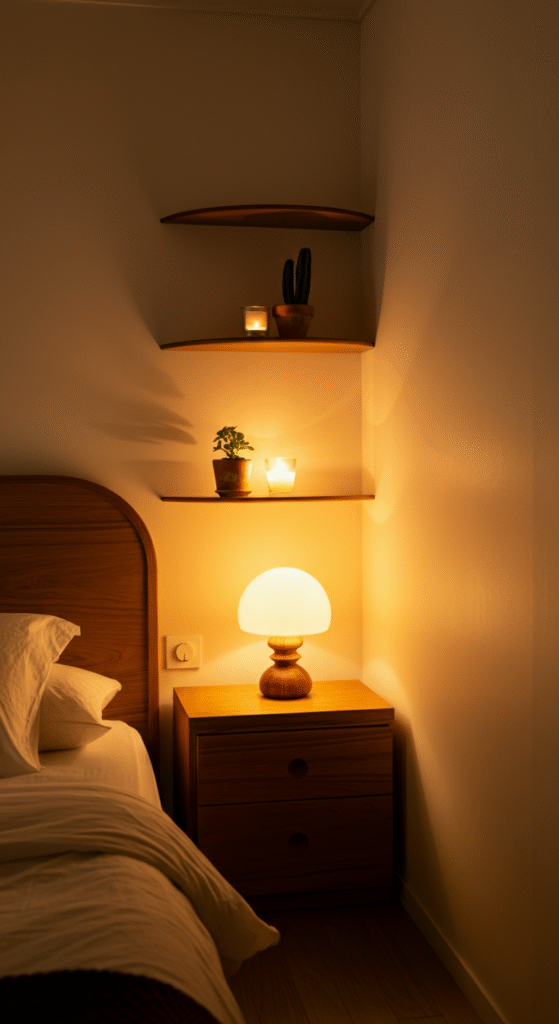
Corners often get ignored in bedrooms.
In Japandi design, every space is used intentionally but never overcrowded. Corner shelves offer you a chance to add décor without disturbing the flow of the room.
Great for:
Small plant clusters
Bedside essentials
Reading lamps
Mini photo frames
Plus, corner shelves visually soften sharp room angles, especially if you use curved or rounded edges.
Shopping List
- Triangular Wooden Corner Shelf
- Floating Corner Wall Shelf
- Scandi Light Wood Corner Ledge
- Bamboo Corner Rack
- Minimal Two Tier Corner Shelf
- Curved Edge Corner Display Shelf
- Neutral Tone Corner Wall Unit
- Three Tier Wooden Corner Shelf
- Japandi Style Corner Accent Shelf
- Compact Corner Display Rack
- White and Wood Corner Shelf
- Natural Timber Corner Stand
- Rounded Corner Wall Shelf
- Low Profile Corner Organizer
- Matte Finish Corner Floating Shelf
- Pinewood Corner Ledge
- Small Accent Corner Storage Shelf
- Curved Minimal Wall Corner Shelf
9. Pegboard Shelving for Flexible Arrangements
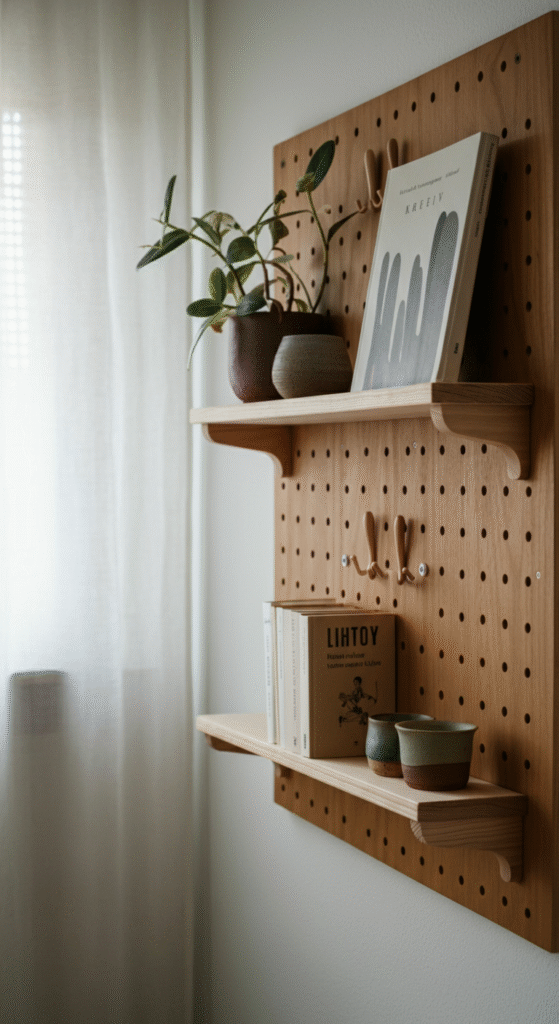
Pegboards are usually associated with craft rooms, but the simple wooden ones look very Japandi when styled right.
They give you adjustable storage which is great if you’re someone who changes the arrangement often. You can add shelves, hooks, or small containers.
Do you know the concept of adaptability is core to Japanese interiors where furniture and elements shift through the year based on function and weather.
A wooden pegboard in your bedroom can hold books, plants, candles, or even small art pieces.
Shopping List
- Large Wooden Pegboard Panel
- Scandi Style Pegboard Organizer
- Modular Peg Shelf Set
- Natural Wood Peg Hooks
- Minimal Pegboard Wall Grid
- Adjustable Wooden Peg Shelves
- Neutral Tone Pegboard Panel
- Craft Room Peg Wall Adapted for Bedroom
- Birch Pegboard Sheet
- Modern Japandi Peg Display Board
- Bamboo Peg Shelf System
- Wide Pegboard Storage Panel
- Light Oak Peg Accessories
- Flexible Pegboard Shelf Kit
- Vertical Peg Panel Organizer
- Deep Shelf Peg Attachments
- Multi Use Peg Hook Set
- Wood Grid Peg Mount Panel
10. Glass Front Shelving for Light and Transparency
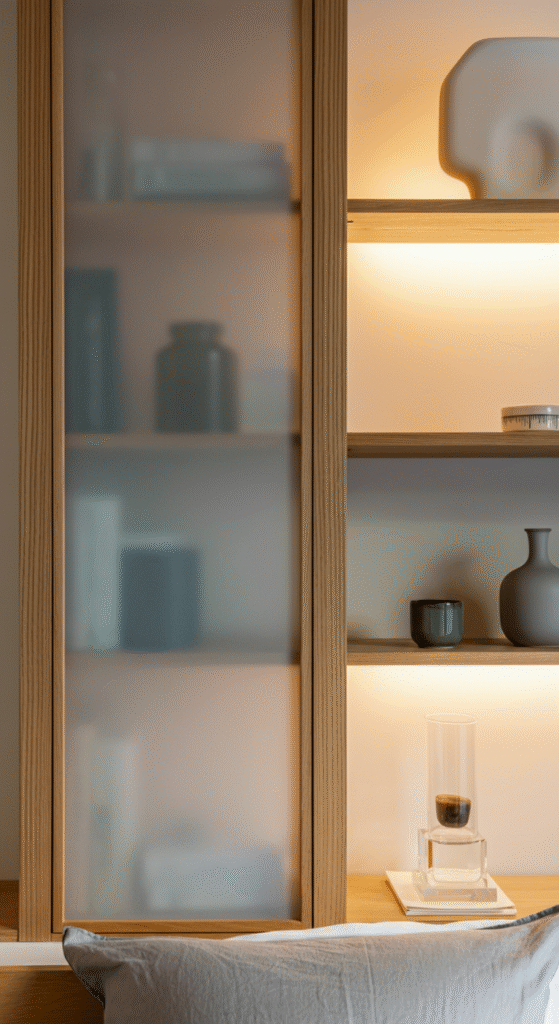
Glass front shelves are great when you want a mix of storage and display but still want things to look clean.
They create small reflections that brighten the space without breaking the simplicity.
Use transparent or lightly frosted glass. Pair with natural toned wood so the look stays soft.
This is perfect for storing:
Scented candles
Ceramic pieces
Soft colored books
Folded scarves or small textiles
Many people think glass makes a space feel cold. But when paired with warm wood, it actually adds quiet elegance.
Shopping List
- Frosted Glass Door Wall Cabinet
- Glass Front Display Shelf
- Oak Frame Glass Storage Box
- Minimal Glass Cabinet for Bedroom
- Clear Glass Wall Mounted Shelf
- Low Profile Glass Door Shelf
- Scandi Wood and Glass Display Unit
- Transparent Door Wall Shelf
- Japandi Style Glass Showcase
- Matte Wood Frame Glass Shelf
- Light Wood Glass Front Cupboard
- Simple Glass Display Ledge
- Neutral Tone Glass Storage Unit
- Frosted Panel Wall Shelf
- Modern Glass Door Cabinet
- Slim Glass Front Organizer
- Soft Tone Oak and Glass Shelf
- Bedroom Glass Display Case
11. Japandi Inspired Shoji Panel Shelving
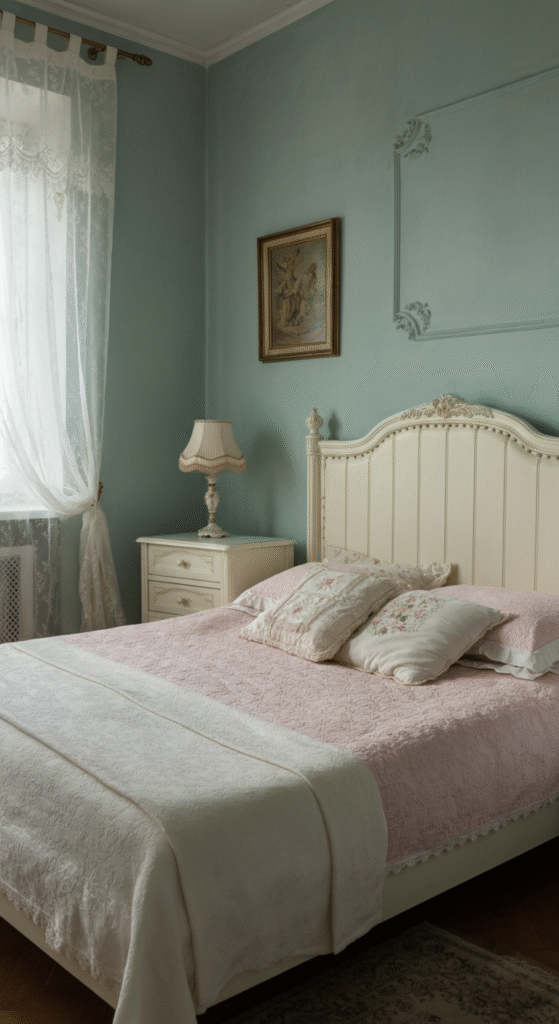
This is a slightly advanced idea, but visually one of the most stunning.
Shoji panels are translucent Japanese screens made of wood and rice paper. Modern versions use acrylic or frosted glass. When used as sliding fronts for shelves, they create a soft glow and hide clutter beautifully.
If you want your bedroom to feel like a calm retreat, this one is incredible.
Interesting fact. Traditional shoji screens were originally used to diffuse harsh sunlight and create a natural, gentle light indoors.
Add this shelving style to your wardrobe area, reading nook, or study corner.
Shopping List
- Shoji Style Sliding Door Shelf
- Wood and Frosted Panel Cabinet
- Japanese Screen Inspired Shelf Unit
- Light Wood Shoji Door Organizer
- Minimal Sliding Screen Shelf
- Frosted Acrylic Shoji Panel Storage
- Neutral Tone Rice Paper Look Shelf
- Scandi Japanese Fusion Sliding Shelf
- Wide Shoji Panel Display Cabinet
- Matte Frame Shoji Door Wall Shelf
- Warm Wood Shoji Inspired Cabinet
- Soft Glow Sliding Panel Shelf
- Traditional Japanese Screen Shelf
- Modern Shoji Panel Cupboard
- Light Oak and Frosted Screen Shelving
- Calm Tone Shoji Door Organizer
- Wide Wall Mounted Shoji Shelf
- Japandi Style Sliding Screen Unit
Conclusion
Japandi shelving is not just about storage. It’s about creating intention in your space. When you introduce clean lines, warm woods, and calm arrangements, your bedroom stops feeling like a collection of random pieces and starts feeling like a sanctuary. And honestly, even small changes like a single long shelf or a ladder rack can shift the entire mood of the room.
If your goal is a bedroom that feels uncluttered, gentle, and quietly beautiful, these shelving ideas will help you build that space piece by piece. And remember, Japandi style is never about perfection. It is about finding calm in simplicity, using what you already have, and letting your room breathe a little.
Frequently Asked Questions (FAQs)
What type of shelving suits Japandi bedrooms best
Simple wood floating shelves or low horizontal shelves work best because they keep the room calm and uncluttered.
Can I mix open and closed shelving in Japandi style
Yes, mixing both helps balance minimal display with hidden storage so the space looks intentional.
Which wood tones match Japandi interiors
Light to medium tones like oak, ash, birch, and bamboo blend well with the soft, natural palette.
Does Japandi style allow metal shelving
It does, as long as the metal is matte, thin, and subtle so it doesn’t overpower the minimal look.
How do I avoid clutter on Japandi shelves
Use fewer items, give each piece breathing space, and stick to natural colors and textures.