Some links in this blog are affiliate links. If you make a purchase through these links, I may receive a small commission. This helps support the site at no extra cost to you.
There is something almost magical about walking into a bedroom where the rug feels perfectly placed. You know that moment where the room suddenly feels warmer, softer, and kind of timeless. That is the power of traditional rug placement. And honestly, people underestimate how much a rug can shape the entire personality of a room.
Traditional bedroom rug layouts have never gone out of style because they work. They balance the visual flow, soften edges, and make the space feel intentional. And even though modern trends rise and fall like crazy, these classic placements continue to stay relevant.
You might even find that some of these ideas remind you of older homes, heritage interiors, or your grandparents room, and yet they still look so chic in today’s design world.
So if you are planning to redesign your space or simply want to upgrade your bedroom without changing furniture or wall colors, focusing on rug placement alone can give you a transformation that feels both fresh and rooted in tradition.
Below you will find the most iconic, evergreen, traditional bedroom rug placements along with helpful descriptions, fun facts, design myths, and a few surprising touches that will help you understand why these styles never lose charm.
Let’s begin.

Table of Contents
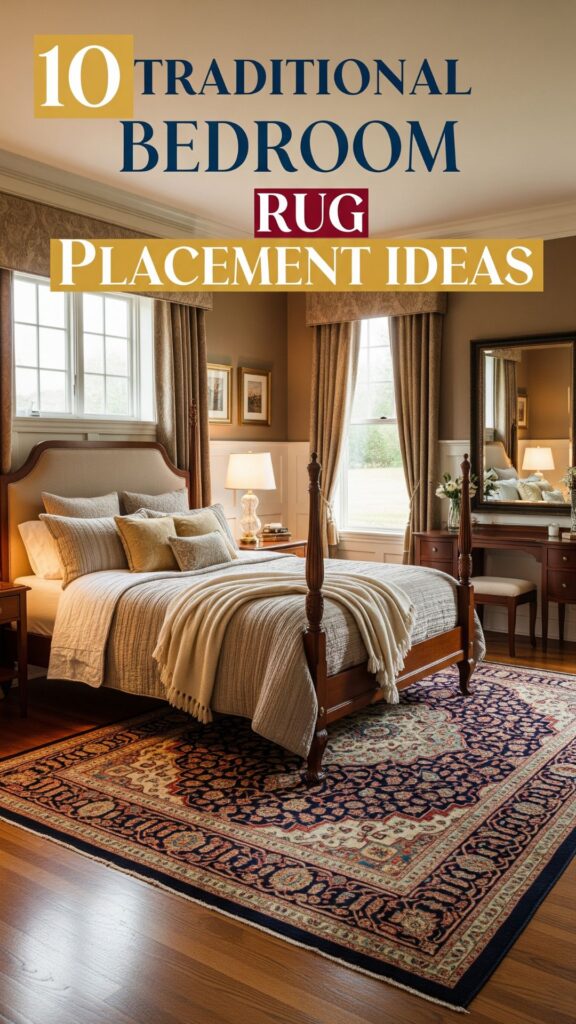
10 Traditional Bedroom Rug Placement Ideas
1. Rug Placed Under Two Third of the Bed
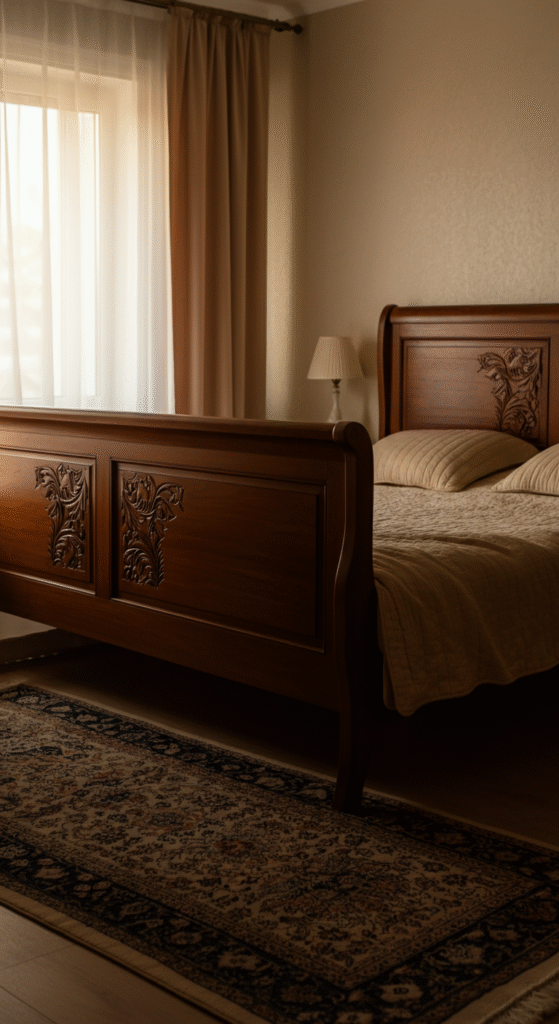
This is one of the most classic and widely loved placements. You simply slide the rug under the bed so the top part near the headboard stays exposed floor, and the lower two third of the bed sits on top of the rug.
This trick gives balance without overwhelming the space. It also lets the rug peek out beautifully on the sides and the foot area so the bedroom looks more layered.
Do you know that this style originated from old European homes where rugs were expensive, so they placed only part of it under the furniture to preserve its look for guests. Interesting how the idea stayed alive.
This placement works very well for queen and king size beds and helps keep the room symmetrical.
Shopping List
- Traditional Persian area rug
- Non slip rug pad
- Vintage wooden bed frame
- Classic bedside lamps
- Neutral cotton quilt set
- Handwoven throw blanket
- Decorative accent pillows
- Solid wood nightstands
- Antique style floor mirror
- Warm toned blackout curtains
- Clay ceramic table vase
- Bedside storage baskets
- Traditional wall art frames
- Soft underfoot bed runner
- Classic wooden dresser
- Neutral linen bedsheets
- Floral embroidered cushion covers
- Elegant cotton dhurrie rug
- Warm ambient night light
2. Large Rug Extending Beyond All Sides of the Bed
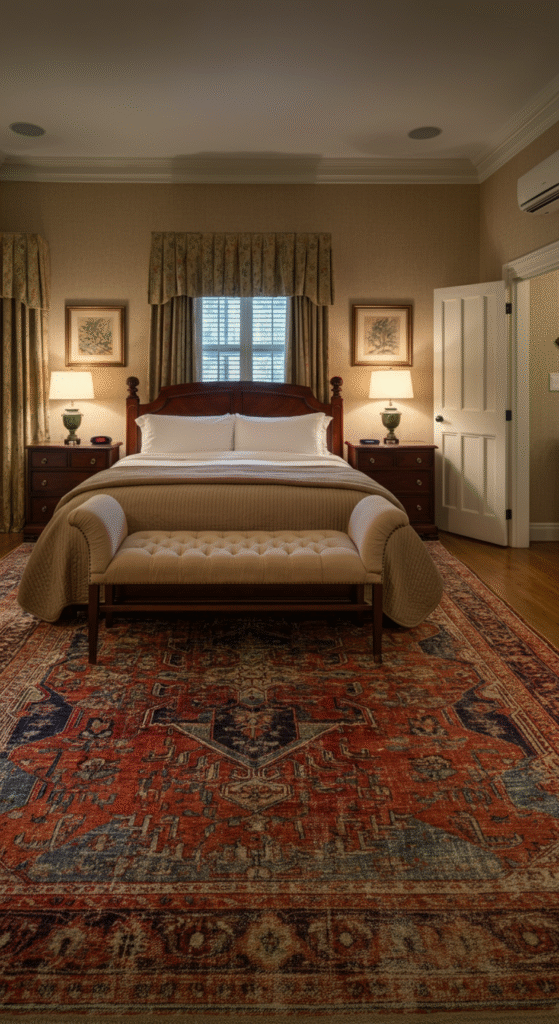
If you want a grand, royal, almost heritage inspired feel, this is the one. The rug extends much wider than the bed and even longer at the foot.
The entire bed sits centered on the rug, creating a hotel like appearance. This used to be a status symbol in older households because larger rugs meant handwoven luxury.
Myth: Many people think a large rug makes a small bedroom look smaller. Actually, it often does the opposite. A bigger rug visually expands the flooring area, making the room feel more spacious.
This technique is still very popular in traditional interior styles like classic Victorian, colonial, and farmhouse bedrooms.
Shopping List
- Oversized Oriental rug
- Hotel style feather comforter
- King size wooden panel bed
- High thread count sheet set
- Antique brass bedside lamps
- Handcrafted wooden trunk
- Luxury velvet throw blanket
- Classic tufted bench for foot of bed
- Decorative woven baskets
- Traditional wool rug underlay
- Vintage wall sconces
- Textured cotton curtains
- Hardwood floor polish kit
- Egyptian cotton pillowcases
- Floral tapestry wall hanging
- Large mahogany wardrobe
- Classic ceramic table bowls
- Traditional bedside water carafe set
- Thick plush area rug extender
3. Two Matching Runner Rugs on Both Sides of the Bed
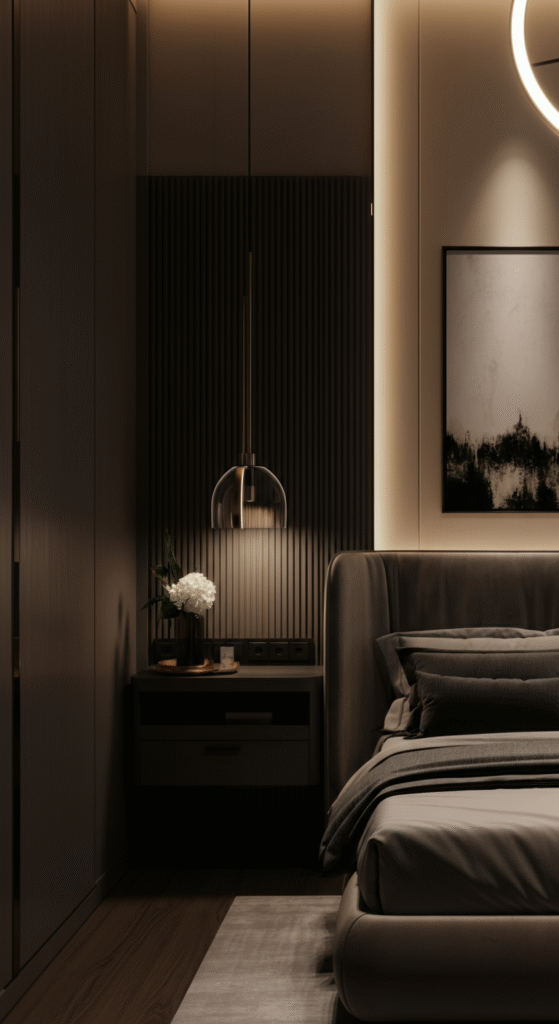
This is one of my personal favorites for practicality.
Instead of one huge rug, you place a long runner rug on the left and another on the right side of the bed. It gives your feet a soft landing when you get up, without covering too much flooring.
Many old Indian and Middle Eastern homes followed this placement pattern because runner rugs were easier to wash and maintain.
You can even choose matching patterns or slightly contrast designs depending on how bold you want it.
This layout especially suits small or narrow bedrooms where a big rug might feel unnecessary.
Shopping List
- Matching runner rug set
- Minimalist metal bed frame
- Soft microfiber blanket
- Classic checkered throw
- Solid wood bedside tables
- Small ceramic planters
- Neutral cotton duvet cover
- Handwoven basket storage
- Vintage style alarm clock
- Warm LED reading lamp
- Embossed cotton rug runner
- Printed bedside slip mats
- Classic room humidifier
- Decorative candle set
- Traditional embroidered cushion
- Cotton dhurrie runners
- Rustic woven foot mats
- Fringe bordered hallway runners
4. Oversized Rug Covering Most of the Bedroom Floor
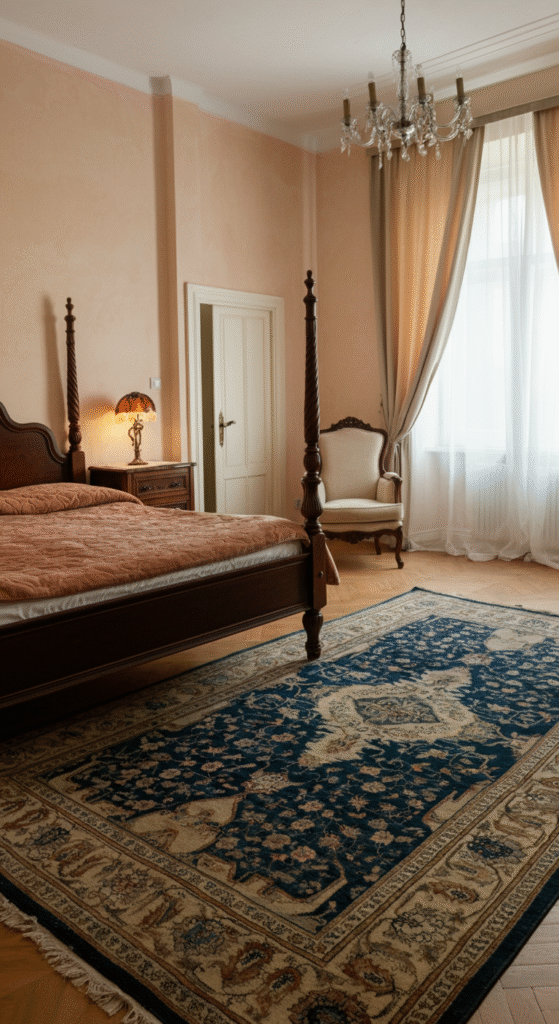
Some people love the feeling of a wall to wall carpet but do not want to commit to actually carpeting the whole room. That is where an oversized rug comes in.
You choose a rug large enough to cover a huge portion of the bedroom floor, even reaching close to the walls, but still leaving a little margin.
It gives warmth, softness, and that old world charm of traditional European bedrooms.
Interesting fact: This placement was highly preferred in cold climate regions. The rug acted as insulation and reduced noise, especially in wooden flooring homes.
This layout creates the most luxurious vibe, almost like stepping into a cozy lodge or heritage suite.
Shopping List
- Large wool blend rug
- Chunky knit throw blanket
- Velvet upholstered bed
- Classic wooden armoire
- Soft underlay padding for rugs
- Antique brass table lamp
- Oversized linen curtains
- Decorative ceramic vases
- Cotton and wool blend comforter
- Traditional paisley patterned rug
- Mahogany bedside chest
- Neutral jute floor accents
- Vintage framed wall paintings
- Soft shag rug topper
- Hand carved wooden mirror
- Classic floor length lamp
- Quilted bedspread set
- Cotton embroidered pillow shams
- Hotel style mattress topper
5. Rug at the Foot of the Bed Only
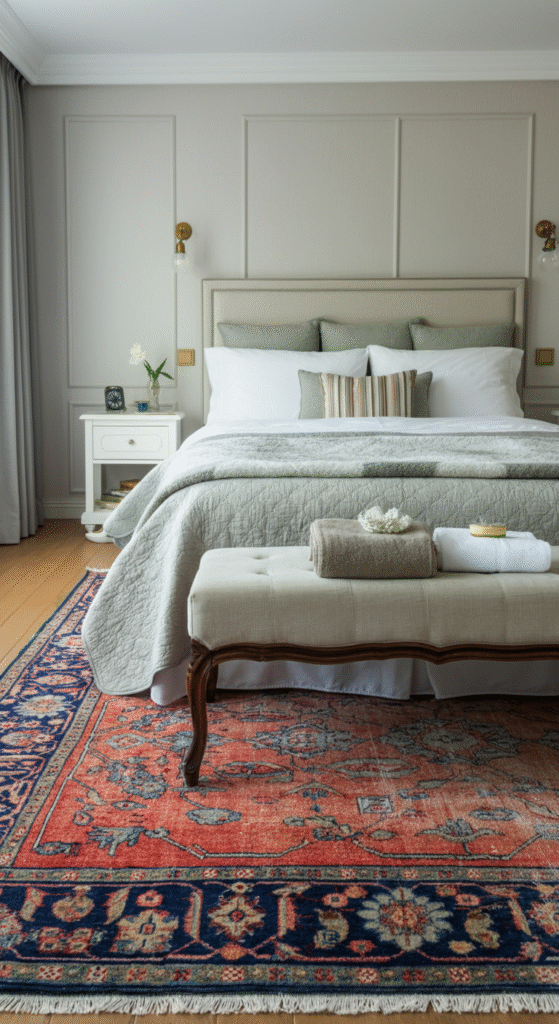
This is a simple but very timeless approach. You place a medium sized rug horizontally right at the foot of the bed.
It never interferes with furniture arrangement and instantly adds texture to a blank space that usually goes unnoticed.
This placement works beautifully with vintage Persian rugs, kilims, and traditional motifs because they become the focal point.
Do you know that in many traditional cultures, the rug at the foot of the bed symbolized a welcoming gesture for guests entering the room.
It is easy, effective, and suits compact bedrooms really well.
Shopping List
- Medium sized kilim rug
- Wooden end of bed bench
- Woven laundry basket
- Thick knit throw
- Vintage framed artwork
- Minimalist bedside shelves
- Classic lantern style lamp
- Cotton woven bedroom runner
- Traditional ceramic decor bowl
- Patterned throw pillows
- Soft cotton quilt
- Textured footboard rug
- Bedside wicker basket
- Handwoven cotton rug mat
- Natural wooden side stools
- Neutral tone bedside tray
- Classic cotton dhurrie kilim
6. Round Rug on One Side of the Bed
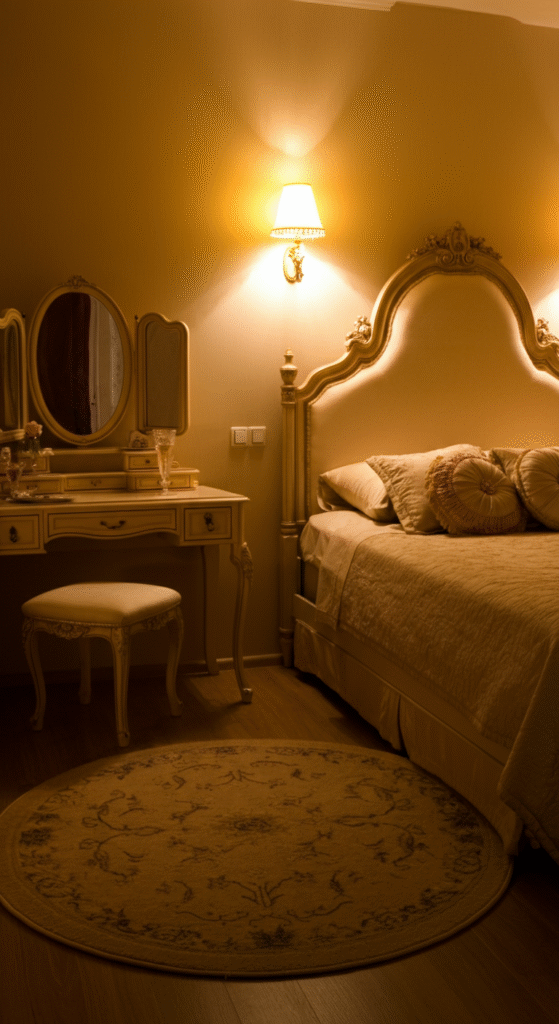
Round rugs were a big deal in classic French and Victorian homes. They were considered fancy because round weaving was tougher to make.
Placing a round rug on one side of the bed is a stylish traditional touch that still feels charming today.
This placement softens sharp edges, especially if the room feels too boxy. It also breaks the predictable layout of rectangular rugs and adds a sense of movement in the decor.
Interesting fact: Round rugs were often placed under vintage vanity tables, which is why many designers still use this trick in bedrooms for a nostalgic feel.
Shopping List
- Round boho jute rug
- Traditional vanity table
- Upholstered bedroom stool
- Classic French style mirror
- Vintage perfume tray
- Soft velvet ottoman
- Round cotton underlay mat
- Decorative embroidered cushions
- Floral lace curtains
- Mini wooden accent shelf
- Hand painted ceramic pot
- Classic pastel throw blanket
- Round braided wool rug
- Antique bedside lamp
- Small floral patterned rug
- Soft faux fur round mat
- Printed cotton rug circle design
7. Rug Layering Under and Beside the Bed
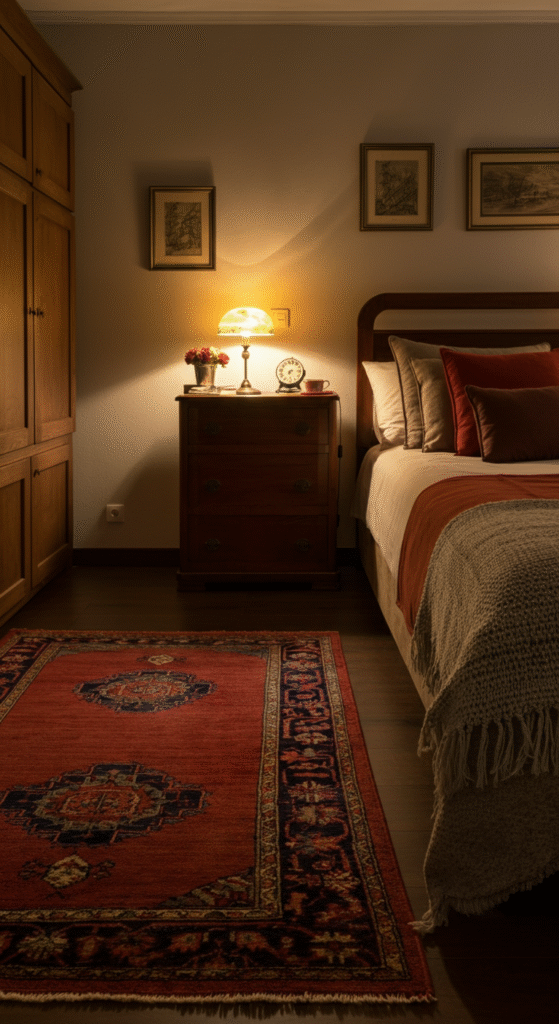
Layering rugs is not just a modern trend. It has existed in traditional decor for centuries, especially in rural households where families would layer handmade rugs for extra cushioning.
Here, you place a large rug under the bed and add a smaller rug or runner on one side. Both rugs usually differ in texture or pattern.
This creates depth and makes the bedroom look expensive without changing any major furniture.
It also works well for uneven flooring or older homes where layering helps hide imperfections.
This placement feels warm, personal, and kind of story rich.
Shopping List
- Large neutral area rug
- Smaller textured accent rug
- Wool and jute layering mat
- Bedside throw rug
- Handwoven cotton accent piece
- Traditional kilim topper
- Layered rug grip pad
- Oversized woven throw blanket
- Wooden farmhouse bed
- Vintage style dresser
- Classic bedside lantern
- Rattan basket trio
- Cotton patterned duvet
- Decorative layered cushions
- Soft braided rug topper
- Old world tapestry throw
- Rustic floor mirror
8. Rug Anchored Under Bed and Side Tables
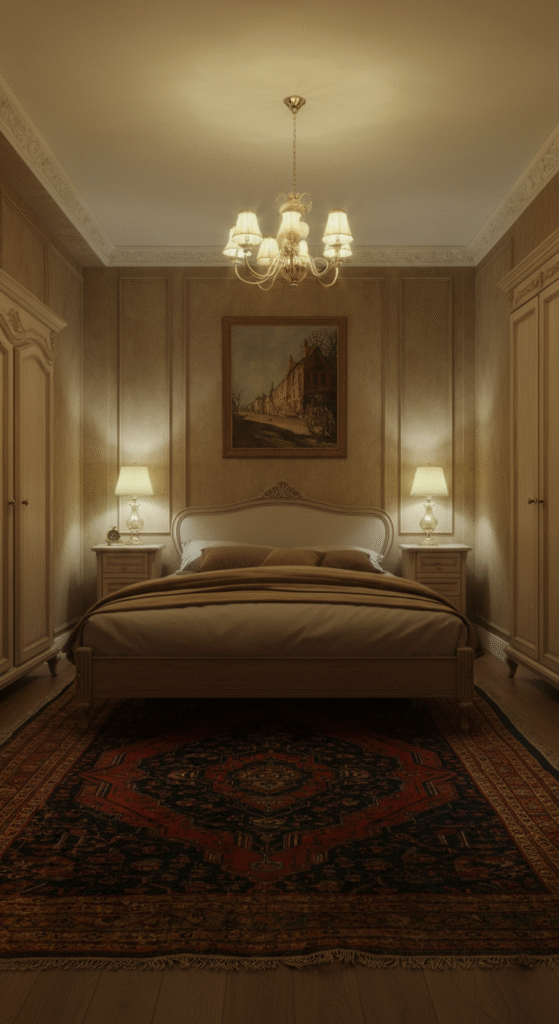
For people who like symmetrical arrangements, this classic is perfect. The rug sits under the entire bed frame plus the two side tables.
This creates a visual base for the whole sleeping area, making it feel united and intentional.
This layout was traditionally used in homes with wooden beds that had tall frames and carved legs. The rug helped anchor the furniture visually, so the room did not feel too heavy.
Fun fact: In many Asian households, rugs under the full bed set were believed to bring grounded energy into the room.
This placement works best with medium to large rugs.
Shopping List
- Large anchoring rug
- Solid wood side tables
- Traditional brass lamps
- Hotel quality comforter
- Jute underlay rug mat
- Classic carved bed frame
- Cotton drape curtains
- Decorative pottery set
- Vintage style bedside trays
- High quality feather pillows
- Antique wooden wardrobe
- Calming neutral wall art
- Thick hand tufted area rug
- Velvet accent cushion set
- Bedside organizer caddy
- Soft woven throw blanket
- Timeless handmade Persian rug
9. Small Accent Rug by the Reading Chair or Window
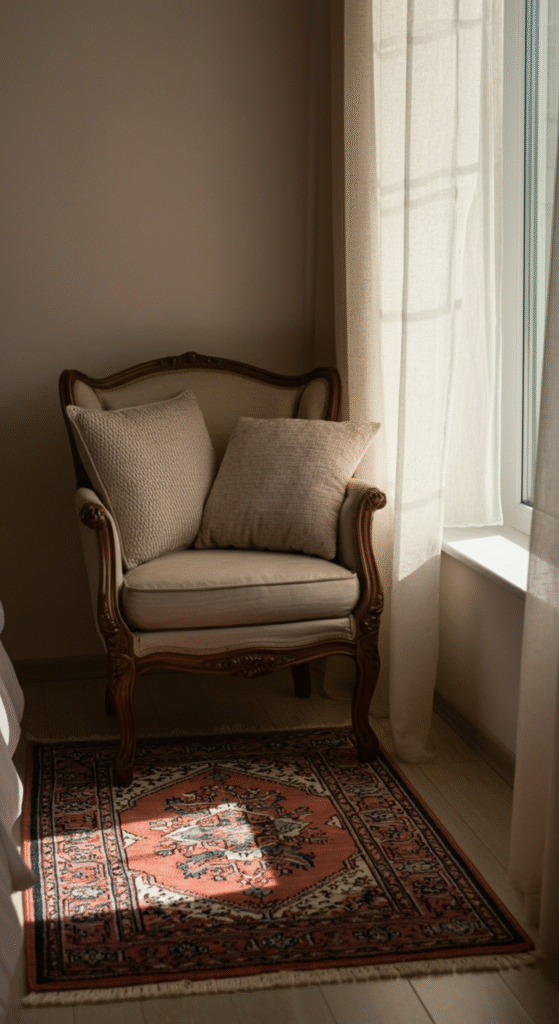
A bedroom is not only about the bed. Traditional homes often had a reading corner or a window seating area. That is where a small accent rug fits beautifully.
You place a small, intricate rug under the chair or near the window. It adds charm, warmth, and a pocket of personality.
This placement brings out cultural richness when you use traditional handcrafted rugs.
An interesting detail: In older homes, reading corner rugs were chosen to match the owner’s personality. Some even treated them as mini art pieces.
This is ideal if you want to create a cozy moment inside your bedroom without rearranging your bed layout.
Shopping List
- Small Persian accent rug
- Upholstered reading chair
- Soft knitted throw
- Floor reading lamp
- Wooden footstool
- Book storage basket
- Classic window curtains
- Vintage bookmark collection set
- Accent cushion for reading chair
- Ceramic mug warmer
- Small jute rug
- Patterned cotton mat
- Mini side table
- Scented candle set
- Cozy fleece blanket
- Rattan storage box
- Decorative flower vase
10. Runner Rug Placed at the Foot and Extending Forward
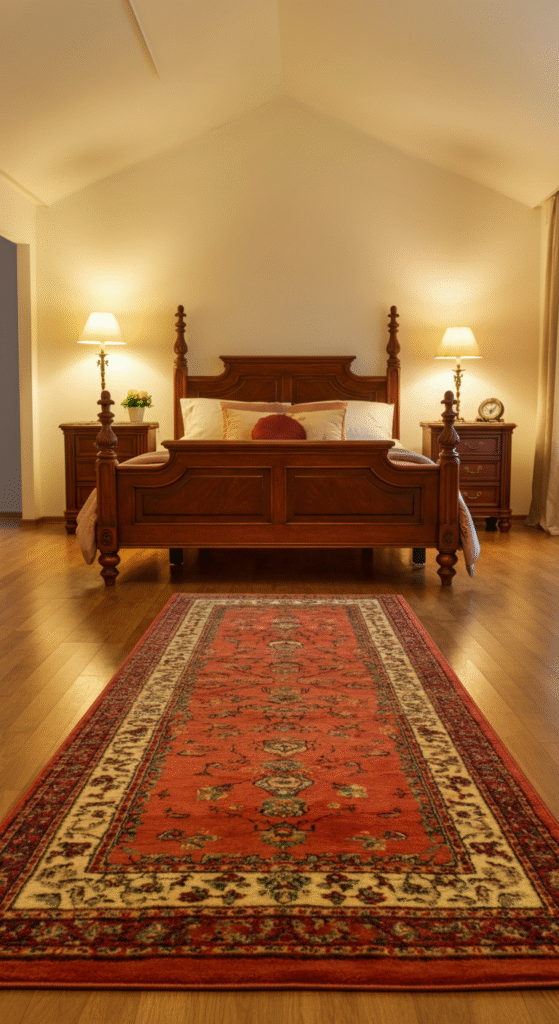
This is another old style that has come back with popularity. You place a long runner rug starting from the foot of the bed and stretching forward toward the room entrance.
This creates a walkway effect that feels neat and elegant.
It gives the bedroom a structured path, something that older royal homes often used to guide foot movement and protect expensive flooring.
Myth busted: Some people assume runner rugs are only for hallways but bedrooms use them beautifully as well when placed this way.
This is a fantastic idea for rooms with a long layout or when you want to add length visually.
Shopping List
- Long hallway style runner rug
- Minimalist wooden bench
- Handwoven cotton throw
- Traditional framed art
- Vintage bedside lamp
- Under runner anti slip pad
- Neutral linen bedsheet set
- Printed wool blend runner
- Wooden chest for blankets
- Classic woven storage basket
- Linen textured curtains
- Soft quilted bed runner
- Traditional ceramic decor
- Low pile corridor rug
- Cotton tribal patterned runner
- Warm glow table lamp
Conclusion
Traditional bedroom rug placements continue to stay popular because they truly work in transforming a room. These layouts are practical, visually balanced, and deeply rooted in timeless interior practices. Whether you love the royal touch of a huge rug under the entire bed or the simplicity of a small accent rug by the window, each idea carries its own charm.
What makes traditional rug placement so powerful is that it blends comfort with history. Every pattern, every position, and every style has a reason behind it. And the best part is that you can adapt these ideas easily to suit your own modern home while still keeping the old world warmth alive.
Whenever you are unsure how to refresh your bedroom without going overboard, start with a rug. Change its placement and you might feel like the room got a whole new story.
Frequently Asked Questions (FAQs)
What size rug works best under a queen bed
A rug around 6×9 or 8×10 usually fits well under a queen bed and still leaves visible borders on all sides.
Should a bedroom rug go fully under the bed
It can, but it is not required. Traditional placement often covers two third of the bed, which looks balanced and saves cost.
Do small bedrooms need rugs
Yes, even a small runner or accent rug adds warmth, texture, and definition to the space.
Is placing rugs over carpet ok
Yes. Many traditional homes layered rugs over carpets to add pattern and protect the carpet underneath.
What rug shape is best for bedrooms
Rectangular rugs work most often, but round or oval rugs add softness and look great near reading corners or vanities.