Some links in this blog are affiliate links. If you make a purchase through these links, I may receive a small commission. This helps support the site at no extra cost to you.
Did you know that Japan has long been celebrated for its unique and peaceful approach to design? The Japanese bedroom style, in particular, is a testament to the country’s philosophy of minimalism, tranquility, and natural beauty.
While it might seem like a trend just for those who appreciate Japanese culture, the appeal of Japanese bedroom style transcends borders, offering anyone a serene and balanced sanctuary to escape the chaos of daily life.
In a world dominated by fast-paced, cluttered living spaces, Japanese design provides a refreshing and calming contrast. Its quiet elegance and focus on nature create a retreat-like environment that promotes mindfulness, rest, and rejuvenation.
This year, Japanese bedroom style continues to rise in popularity as more people seek a way to bring calm and harmony into their homes. Whether you’re looking to redecorate or redesign your space, here are the Top 11 Japanese Bedroom Style Trends You’ll Love This Year, each one offering a blend of beauty, functionality, and serenity.

Table of Contents

Top 11 Japanese Bedroom Style Trends
1. Embracing the Simplicity of Minimalism
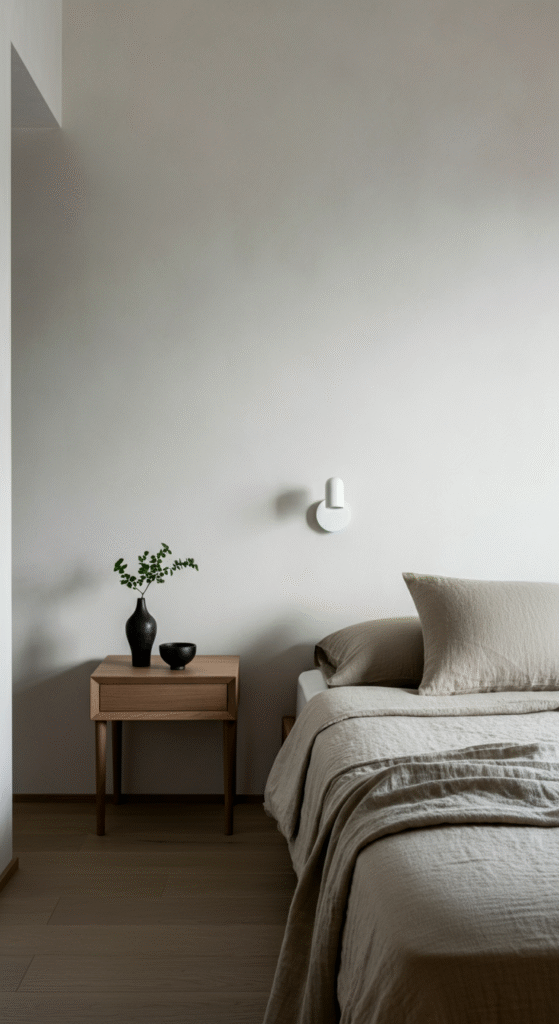
The cornerstone of Japanese design is minimalism. A Japanese-inspired bedroom is never overcrowded with furniture or excessive decoration. Instead, it focuses on clean lines, open spaces, and a sense of balance. The goal is to create a calming environment where only the essentials are present.
Do you know that minimalism in design is deeply tied to the Japanese Zen philosophy? The idea is to declutter not just your physical space but also your mind, allowing you to focus on what truly matters.
Description: To achieve this minimalist look, think about reducing the furniture in your bedroom to a few key pieces: a low-profile bed frame, a simple dresser, and perhaps one or two decor items. The color palette should be neutral, with whites, beiges, and soft earth tones taking center stage.
2. Tatami Mats and Low-to-the-Floor Furniture
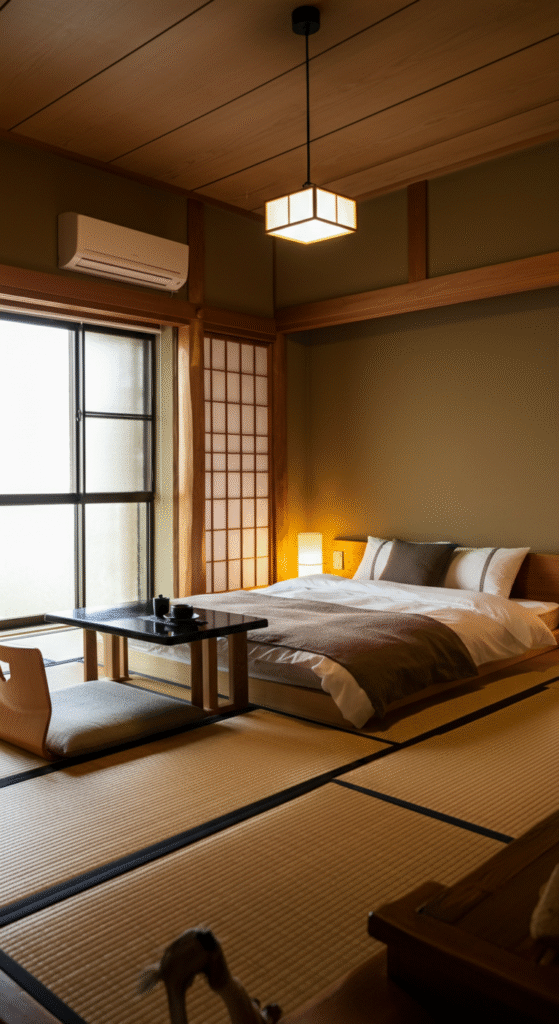
Tatami mats are a traditional feature of Japanese interiors, often used for flooring, but they also play a big role in the bedroom. These mats are made from rice straw and offer a natural texture and warmth to a room.
Description: Modern Japanese bedrooms often incorporate tatami mats as part of the flooring or as a base for low beds. Pair this with low-profile furniture such as platform beds and minimalist wooden chairs. This creates a grounded, earthy aesthetic, enhancing the sense of peace and tranquility in the room.
3. Natural Elements in Design
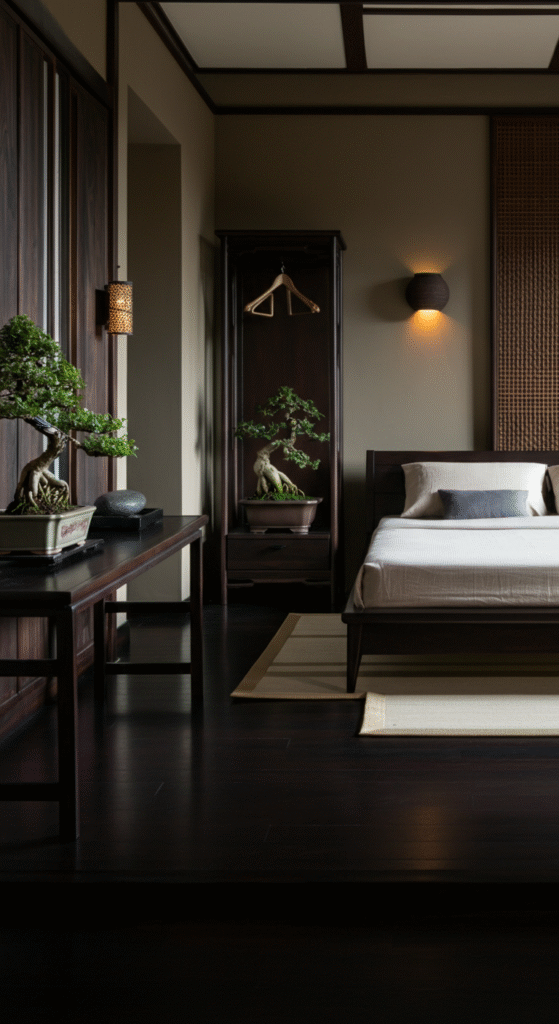
Natural elements are central to Japanese design, and they make their way into every room of the home, especially the bedroom. Wood, stone, and plants bring nature indoors, creating a peaceful and harmonious environment.
Description: Incorporate wooden furniture, bamboo curtains, and stone accessories. Add indoor plants, such as bonsai trees, ferns, or succulents, to bring life and color to your space. These elements not only add beauty but also promote a sense of connection with nature, a principle known as biophilic design.
4. Shoji Screens for Soft Light and Privacy

Shoji screens, with their delicate wooden frames and rice paper panels, are a staple of Japanese homes. They are traditionally used as room dividers or to cover windows, allowing soft, diffused light to filter through.
Description: Consider adding a shoji screen to your bedroom to create a soothing, serene atmosphere. Not only will it help soften the harshness of bright artificial lights, but it also introduces a touch of traditional Japanese craftsmanship into your modern bedroom.
5. Neutral Color Palettes with Accents of Dark Wood
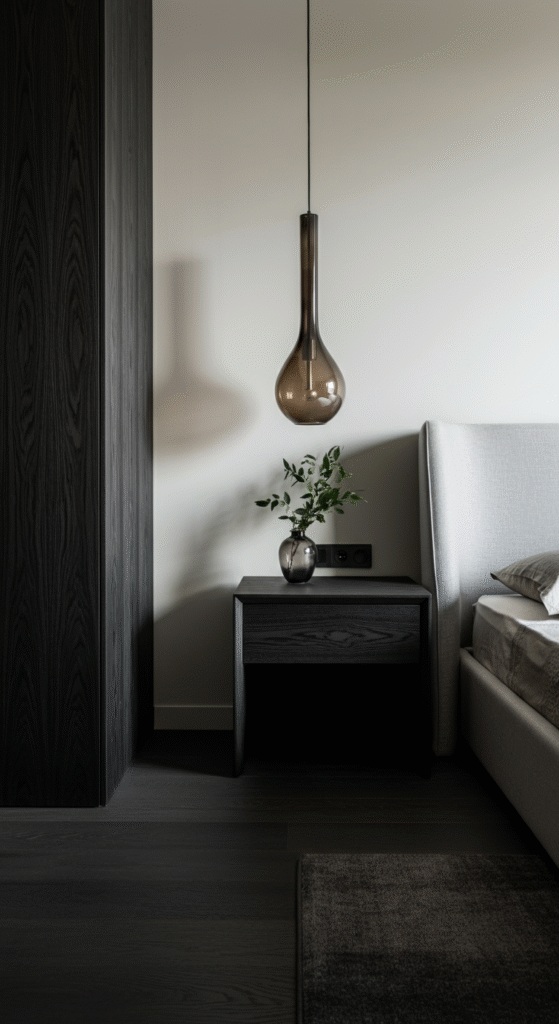
While bold colors might seem appealing, Japanese design typically favors calm, neutral tones such as whites, grays, and soft browns. These muted hues allow the natural materials in the room to shine and promote a peaceful ambiance.
Description: To achieve this, consider painting the walls in soft whites or light beiges. For a more dramatic touch, you can introduce darker wood furniture pieces, such as a dark walnut bed frame or nightstands. This combination of light and dark creates a sophisticated, balanced look.
6. Futon Beds for a Traditional Touch
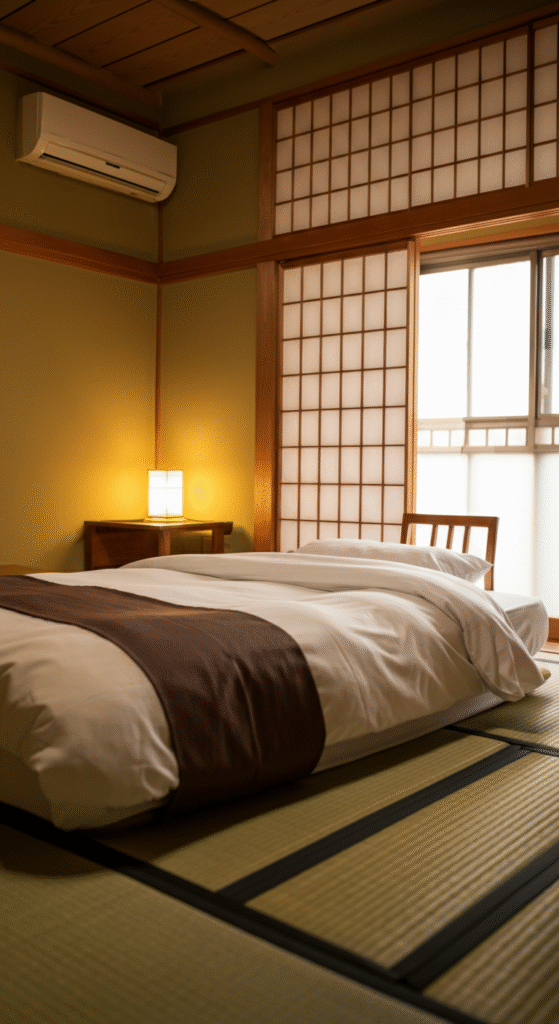
The traditional Japanese futon bed offers a departure from the Western-style mattress. These beds are usually placed directly on the floor, contributing to the minimalist look and feel.
Description: To integrate a futon-style bed into your bedroom, opt for a thick mattress that can be rolled up and stored away during the day. This not only helps with space efficiency but also enhances the tranquil nature of a Japanese-inspired room, encouraging relaxation and restful sleep.
7. Zen Garden Elements
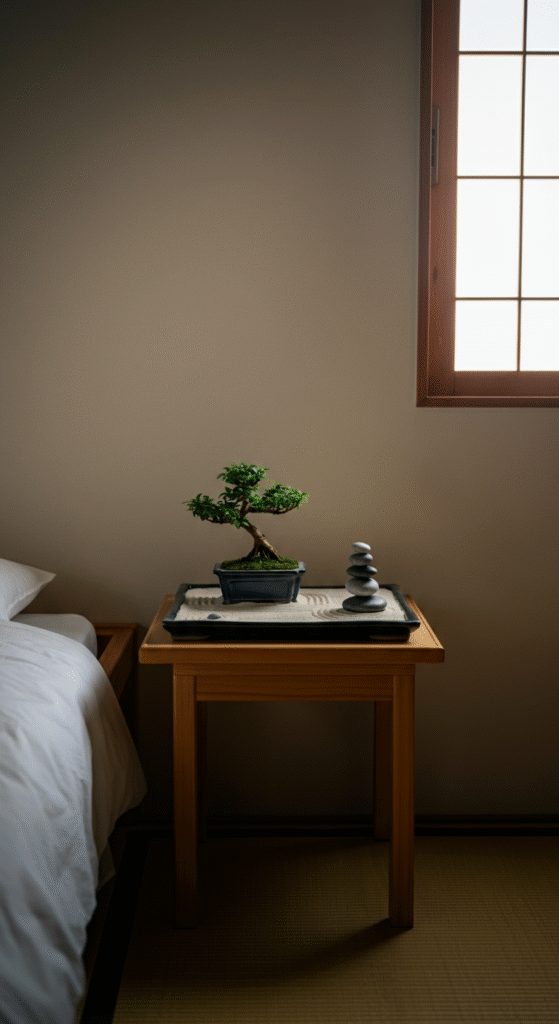
A Zen garden, traditionally used for meditation and reflection, is a great addition to a Japanese-inspired bedroom. The use of stones, sand, and minimalistic plants can serve as both a decorative element and a calming focal point in your space.
Description: You can either incorporate a small tabletop Zen garden or go for a larger outdoor-inspired piece. These gardens serve as a reminder to slow down, focus, and clear your mind, which is essential in creating a peaceful retreat.
8. Sliding Doors for Space Efficiency
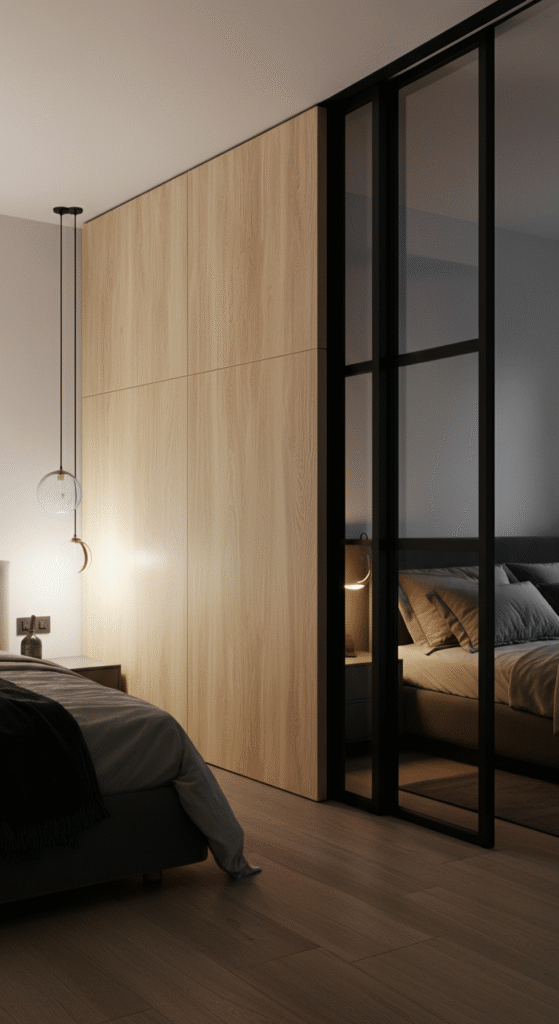
Japanese homes often use sliding doors instead of traditional hinged ones to conserve space. This functional design trick is ideal for small bedrooms or apartments where every inch counts.
Description: Opt for sliding doors for your closet or to separate your sleeping area from other parts of the room. You can also use them as a room divider, offering both privacy and flexibility. Choose natural wood or matte black frames for a contemporary twist on this classic feature.
9. Incorporating Traditional Japanese Artwork
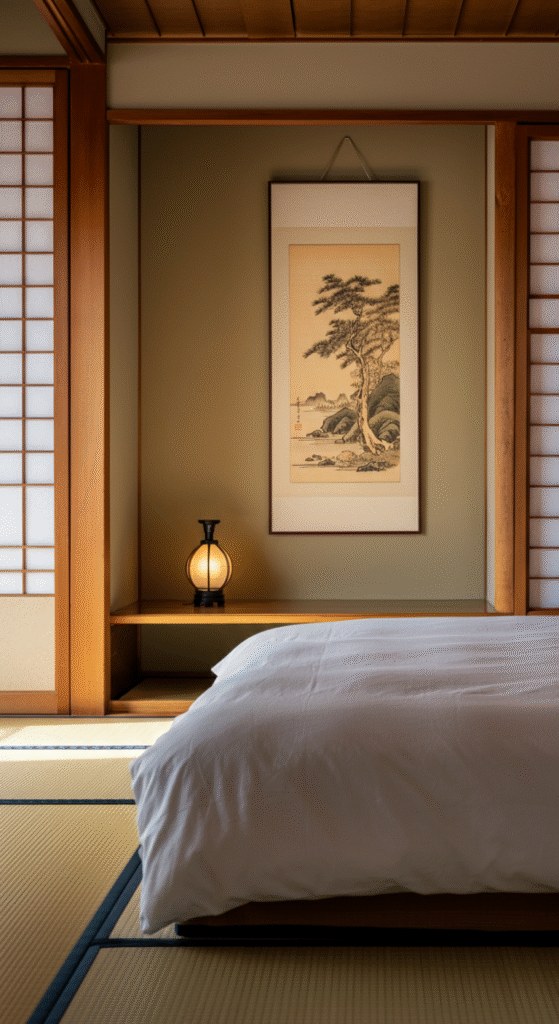
Art plays an important role in Japanese interiors, especially when it comes to wall decor. Traditional Japanese art, such as sumi-e ink paintings or ukiyo-e woodblock prints, is often used to add character to a bedroom.
Description: Hang a framed piece of Japanese art above your bed or on an accent wall. The natural colors and delicate details in these artworks complement the minimalist vibe of your room, contributing to a calm, introspective environment.
10. The Power of Negative Space

In Japanese design, the use of negative space—or the area around and between objects—is just as important as the objects themselves. This technique helps create a sense of openness and clarity in the bedroom.
Description: Embrace the idea of “less is more.” Leave ample space between furniture and decor items, allowing each piece to breathe and stand out. This approach enhances the feeling of calm and spaciousness in your bedroom, making it a perfect space to unwind after a busy day.
11. Soft, Layered Lighting for a Cozy Ambiance
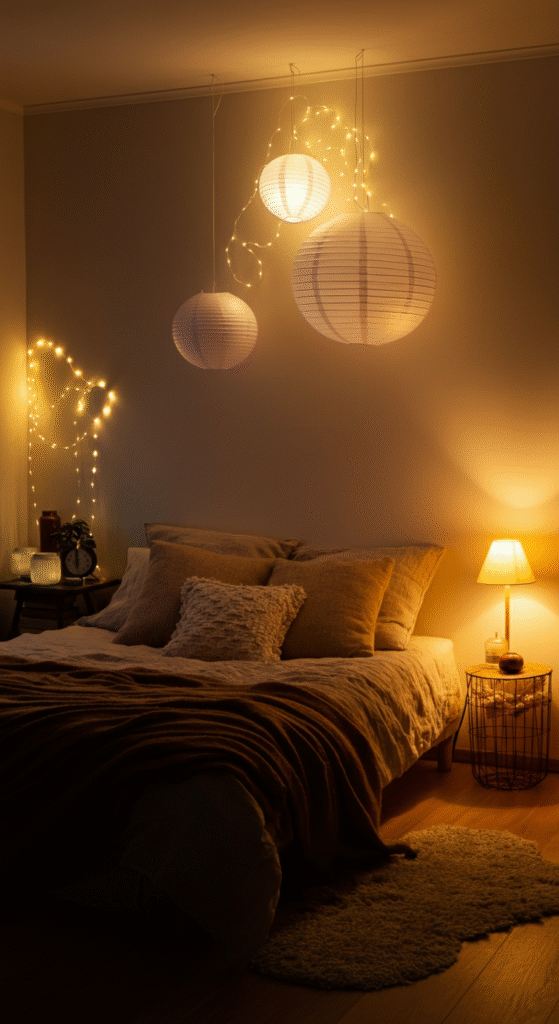
Lighting is one of the most important elements in any bedroom, and Japanese design uses light to enhance the calming atmosphere. Soft, warm lighting is preferred over harsh, artificial lights.
Description: Use paper lanterns, soft LED lights, or low-hanging pendant lights to create a warm, ambient glow. Layering different sources of light, such as floor lamps and table lamps, adds depth and ensures a cozy environment perfect for relaxation and rest.
Conclusion:
The Japanese bedroom style is a beautiful fusion of minimalism, natural elements, and calming design principles. Whether you want to create a space for peaceful reflection or simply update your bedroom with a serene, harmonious look, these Top 11 Japanese Bedroom Style Trends will inspire you to design a bedroom that feels like a tranquil retreat.
With its emphasis on simplicity, nature, and craftsmanship, Japanese design continues to be a timeless choice for creating a restful and rejuvenating living space.
By embracing these trends, you’ll not only update your bedroom but also bring a little piece of Japan into your home, promoting relaxation and mental clarity every time you step into your sanctuary. So why wait? Start transforming your bedroom into a peaceful haven with these Japanese-inspired trends today!
Frequently Asked Questions (FAQs)
What is the key principle behind Japanese bedroom design?
Japanese bedroom design emphasizes minimalism, natural elements, and tranquility, creating a serene and clutter-free space.
Can I incorporate Japanese style in a small bedroom?
Yes, using low-profile furniture, neutral colors, and sliding doors can make a small room feel more spacious and calm.
What are tatami mats, and should I use them?
Tatami mats are traditional Japanese mats made of rice straw, often used for flooring or as a base for low beds. They add warmth and texture to a bedroom.
How do I achieve a minimalist look in my bedroom?
Focus on fewer furniture pieces, use neutral tones, and avoid excessive decor. Keep only what you truly need for functionality and comfort.
What lighting works best for a Japanese-inspired bedroom?
Soft, layered lighting using paper lanterns, LED lights, or pendant lamps creates a warm and calming ambiance.