Some links in this blog are affiliate links. If you make a purchase through these links, I may receive a small commission. This helps support the site at no extra cost to you.
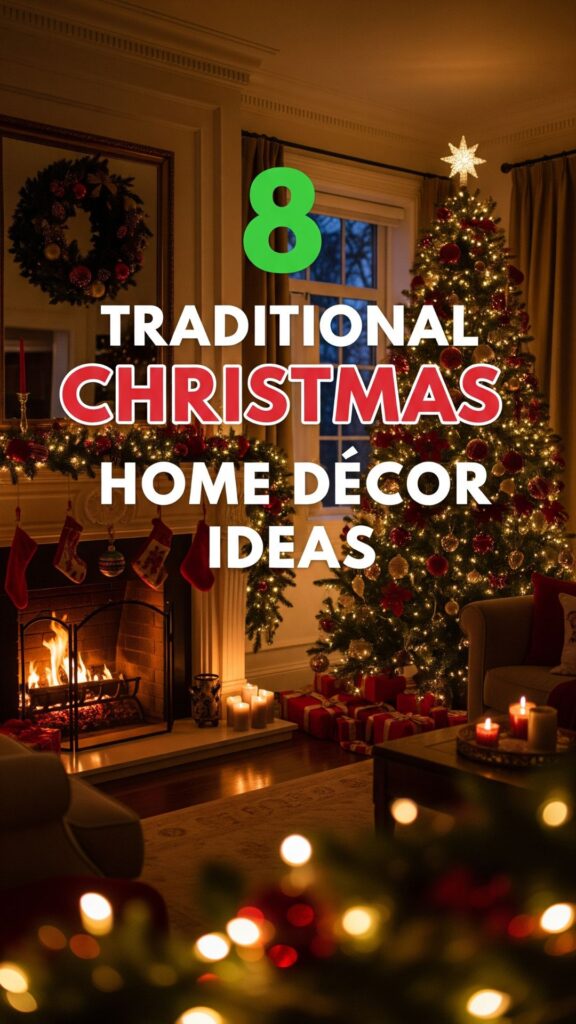
As the winter chill sets in and the holiday season approaches, there’s something magical about the warmth of traditional Christmas décor. The twinkling lights, the rich reds and greens, and the aroma of pine and cinnamon bring a sense of nostalgia and coziness to our homes.
But have you ever wondered why we associate certain symbols and colors with Christmas? From the story behind the Christmas tree to the origins of wreaths, these time-honored traditions have deep roots that span centuries.
In this post, we’ll explore 8 classic Christmas home décor ideas that will help you recreate that timeless holiday atmosphere and turn your home into a festive wonderland. Let’s dive into these cherished traditions that make Christmas so special.
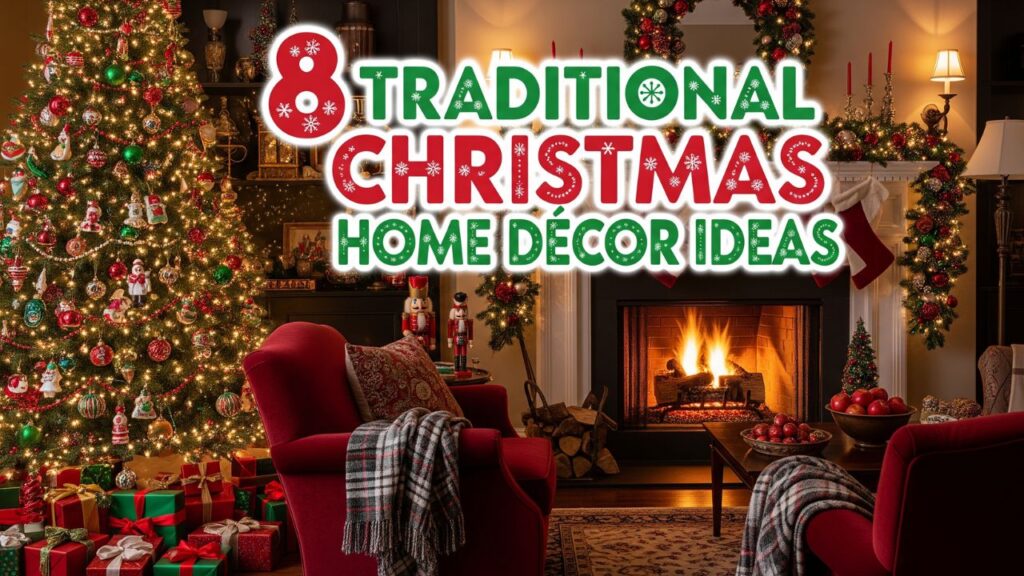
Table of Contents
8 Traditional Christmas Home Décor Ideas
1. Classic Christmas Tree Decorations
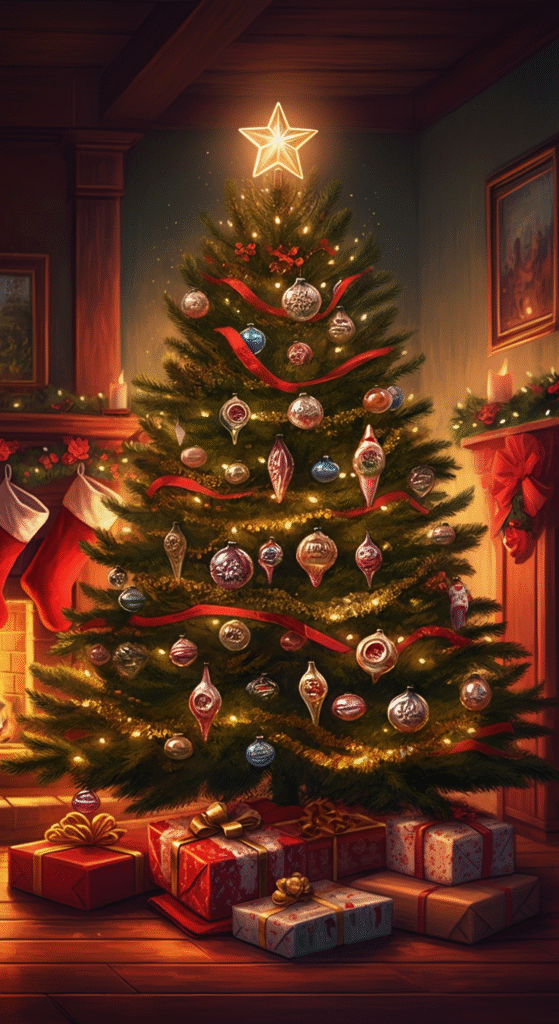
No Christmas décor list would be complete without mentioning the centerpiece of holiday celebrations—the Christmas tree. A beautifully adorned tree has been a symbol of the season for centuries. The tradition dates back to 16th century Germany, where it is believed that the first modern Christmas tree was decorated with candles, which later evolved into the sparkling fairy lights we know today.
When decorating your tree, consider using traditional elements like red ribbons, gold garlands, and glass ornaments. Opt for a mix of natural textures—think wood, paper, and glass for a rustic yet elegant look. Don’t forget to top your tree with a star or angel, both representing the spiritual aspect of Christmas.
Did you know?
The first recorded Christmas tree to be decorated with lights was in 1882 when Edward H. Johnson, an associate of Thomas Edison, created a string of electric lights to hang on his tree. This innovation paved the way for the modern, sparkling trees we now decorate.
2. Wreaths and Garlands to Set the Scene
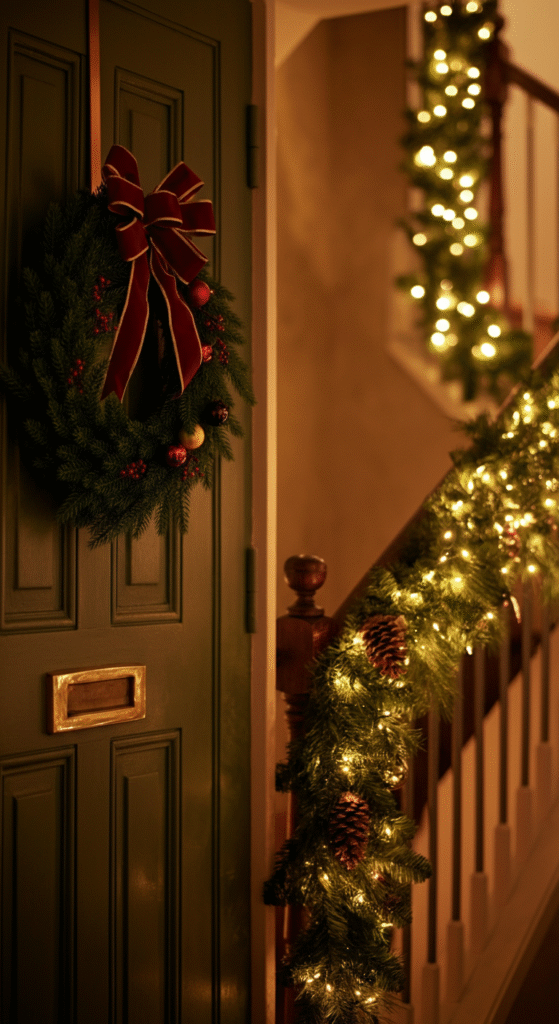
Wreaths and garlands are classic decorations that bring a touch of greenery and elegance to any home during the holidays. These items are typically made of pine, holly, or mistletoe, symbolizing eternal life and peace. Wreaths, in particular, have a long history, originating in ancient Roman times where they were used to signify honor and achievement.
For a traditional touch, hang a lush pine wreath on your front door, adorned with a red bow and a few small ornaments. Inside, drape garlands along the staircase banister or mantelpiece to add an extra festive charm.
Fun Fact:
In ancient times, mistletoe was considered sacred, and it was believed to have the power to bring peace between enemies. In the 18th century, the custom of kissing under the mistletoe began, becoming one of Christmas’ most beloved traditions.
3. Vintage Christmas Stockings
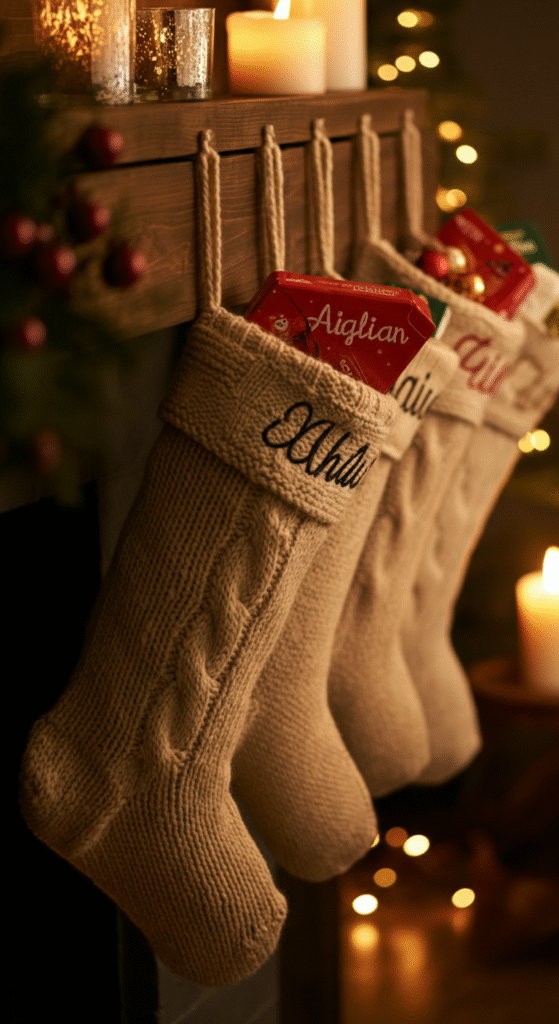
Hanging stockings by the fireplace is a custom that brings excitement to Christmas morning. While the tradition of filling stockings with small gifts and treats is relatively modern, the origins trace back to the 4th century. Saint Nicholas, known for his generosity, is said to have secretly placed gold coins in the stockings of poor girls to ensure their future happiness.
Opt for traditional red and white stockings made of felt or knitted wool. Personalize each one with embroidered names to add a personal touch. If you don’t have a fireplace, stockings can be hung on the stairwell or on hooks near the tree.
Myth or Fact?
Did you know the idea of Santa Claus stuffing stockings with presents was inspired by Dutch settlers in the United States? The custom was popularized when they began telling tales of Saint Nicholas, who would secretly leave gifts for children during the night.
4. Candlelit Warmth with Traditional Candles
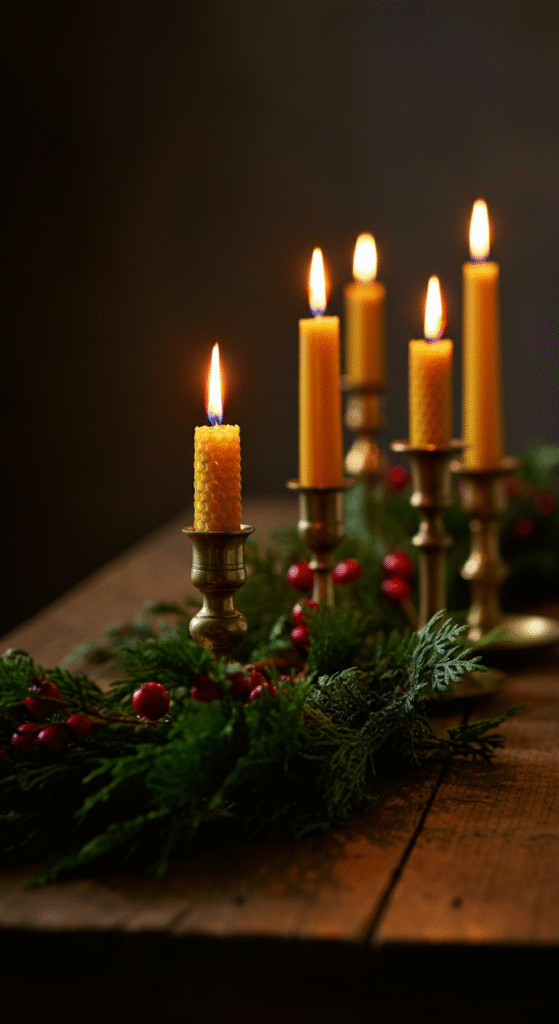
The soft flicker of candlelight has always been associated with warmth and festivity. In many traditional Christmas homes, candles are used to create a cozy, welcoming atmosphere. While electric lights have largely replaced candles on trees, there’s something timeless about placing candles around the home—on windowsills, in lanterns, or as part of the centerpiece on your dining table.
To stay true to tradition, opt for beeswax or soy candles in warm, earthy scents like cinnamon, clove, or vanilla. For an added touch of nostalgia, use candleholders that resemble old-fashioned lanterns or silver candelabras.
Interesting Fact:
Before electricity, candles were the primary source of light in homes during the Christmas season. They were often placed in windows to guide travelers and symbolize hope and hospitality.
5. Old-Fashioned Nutcrackers

Nutcrackers are one of the most iconic figures in Christmas décor, thanks to the famous ballet, The Nutcracker. These wooden soldiers are not only decorative but have historically been symbols of protection and good luck. Originating in Germany, the nutcracker was believed to bring strength and prosperity to the household.
To maintain that traditional look, display a set of nutcracker figures on your mantelpiece or windowsills. Choose between classic wooden nutcrackers in vibrant colors, or go for more neutral, rustic styles with wooden finishes. Each nutcracker adds character and a nod to the festive history of Christmas.
Did you know?
The first nutcracker was created in the late 17th century, and the design of the nutcracker soldier became popular after the 1892 premiere of Tchaikovsky’s ballet. They were often gifted to children to teach them the importance of strength and perseverance.
6. Traditional Christmas Village Displays

Another beloved tradition during Christmas is setting up a Christmas village. These miniature villages, complete with tiny houses, snowy streets, and twinkling lights, evoke the charm of a classic winter scene. Originating in Germany during the early 19th century, these village displays have become a favorite for collectors and decorators alike.
When setting up your Christmas village, choose a display that reflects a classic holiday scene—snow-covered rooftops, horse-drawn carriages, and softly glowing lanterns. You can even add a few figures, like carolers or Santa with his sleigh, to create a dynamic, festive scene.
Fun Fact:
The tradition of Christmas villages is so beloved that it sparked an entire industry, with companies producing new sets each year. Some collectors’ villages are even worth thousands of dollars today.
7. Red and Green Color Scheme
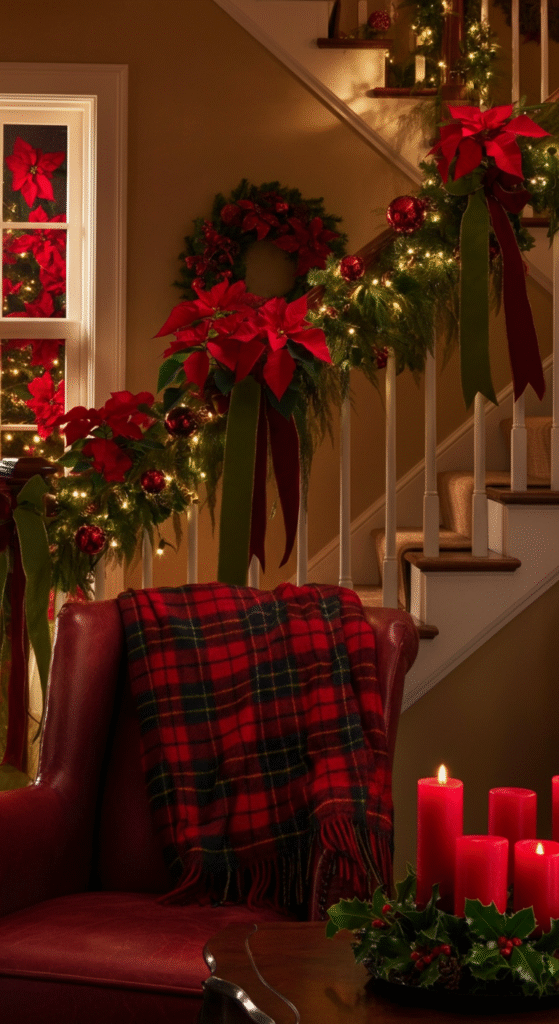
Red and green are the quintessential Christmas colors, and for good reason. Red symbolizes the blood of Christ and is a reminder of the sacrifices made, while green represents eternal life, thanks to the evergreens used in décor. These colors are deeply rooted in Christian symbolism and have become synonymous with the spirit of the holiday.
For a traditional touch, incorporate red and green throughout your décor—think red poinsettias, green ribbons, and plaid blankets. This timeless color scheme not only adds to the festive feel but also ties your decorations back to the rich history of Christmas.
Did You Know?
The use of red and green for Christmas décor became particularly widespread in the 19th century. Before then, other colors like gold and blue were often used in holiday celebrations.
8. Traditional Christmas Music and Carols
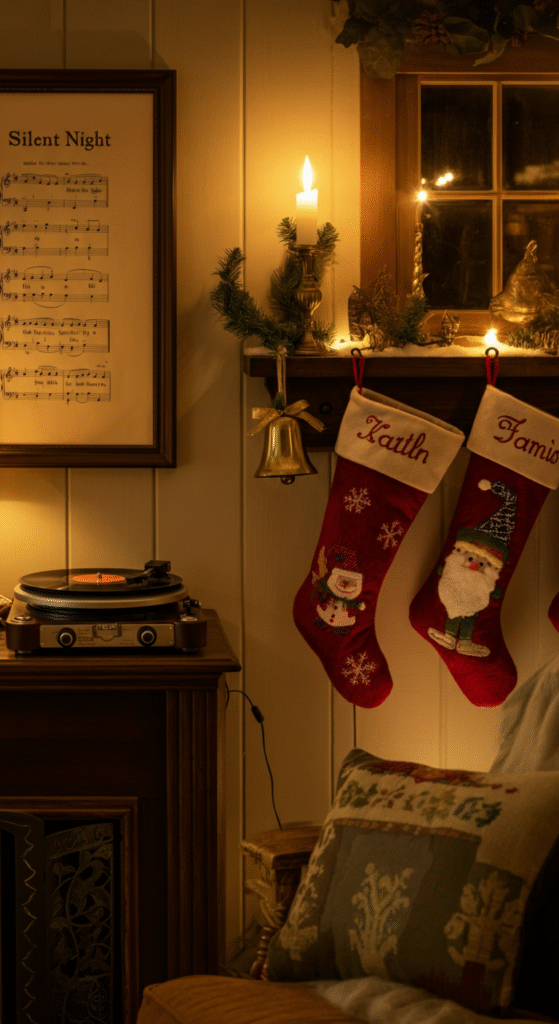
While music doesn’t necessarily fall under décor, it’s an essential part of creating a festive atmosphere in any home. Traditional Christmas carols, sung by choirs or played on a vintage record player, can set the tone for a cozy holiday gathering. Classic songs like “Silent Night,” “Deck the Halls,” and “Jingle Bells” are staples that evoke fond memories of holidays past.
For a more immersive experience, you can even display vintage sheet music framed on the walls, or hang a small brass bell near the door to ring whenever someone enters.
Interesting Fact:
Many of the Christmas carols we sing today have been around for centuries. “Silent Night,” for example, was composed in 1818 in Austria and has since been translated into over 300 languages.
Conclusion
As you begin to decorate your home for the Christmas season, consider incorporating these traditional elements that have stood the test of time. These décor ideas not only bring warmth and charm to your home but also connect you to the rich history and deep-rooted symbolism of Christmas.
Whether it’s a beautifully adorned Christmas tree, a fragrant wreath on the door, or the twinkling lights of candles throughout the house, these classic touches will create an atmosphere that’s both nostalgic and timeless. So, gather your loved ones, bring out the decorations, and enjoy a classic Christmas filled with joy, warmth, and festive cheer.
Frequently Asked Questions (FAQs)
Why is the Christmas tree a traditional decoration?
The Christmas tree represents eternal life, with its evergreen nature symbolizing renewal and hope. The tradition started in 16th century Germany and has since become a holiday staple.
What is the significance of red and green colors at Christmas?
Red symbolizes the blood of Christ, while green represents eternal life. These colors have deep Christian symbolism and have become synonymous with Christmas celebrations.
Why do we hang stockings at Christmas?
The tradition of hanging stockings originated from the legend of Saint Nicholas, who secretly placed gold coins in stockings to help those in need, symbolizing generosity.
What’s the history behind Christmas wreaths?
Wreaths symbolize eternal life and peace. The use of evergreen wreaths dates back to ancient Rome, and they were later incorporated into Christmas celebrations for their festive and spiritual significance.
Are nutcrackers just for decoration?
While nutcrackers are decorative, they also symbolize strength and good luck. The tradition stems from Germany, where they were believed to protect the home and bring prosperity.