Some links in this blog are affiliate links. If you make a purchase through these links, I may receive a small commission. This helps support the site at no extra cost to you.
What if your bedroom could feel like the quiet moment right before sunrise, when the world hasn’t rushed in yet and everything is just… still?
Japandi style does exactly that. It blends the warm simplicity of Japanese interiors with the soft, functional coziness of Scandinavian design. And honestly, once you see how these two worlds meet, it’s hard to unsee the magic.
Many people think Japandi is just minimalism with a fancy name. But here’s the fun twist: It’s not about owning less, it’s about owning with intention. That’s why even a small bedroom can suddenly feel calm, grounded, and beautifully balanced.
In this guide, you’ll find eight Japandi bedroom upgrades that instantly shift the vibe. These aren’t just styling tricks. They’re small lifestyle changes that create spaces that breathe with you instead of overwhelming you.
Take your time, scroll slow, let your mind picture your own room in these soft tones and simple lines.
Let’s begin.

Table of Contents
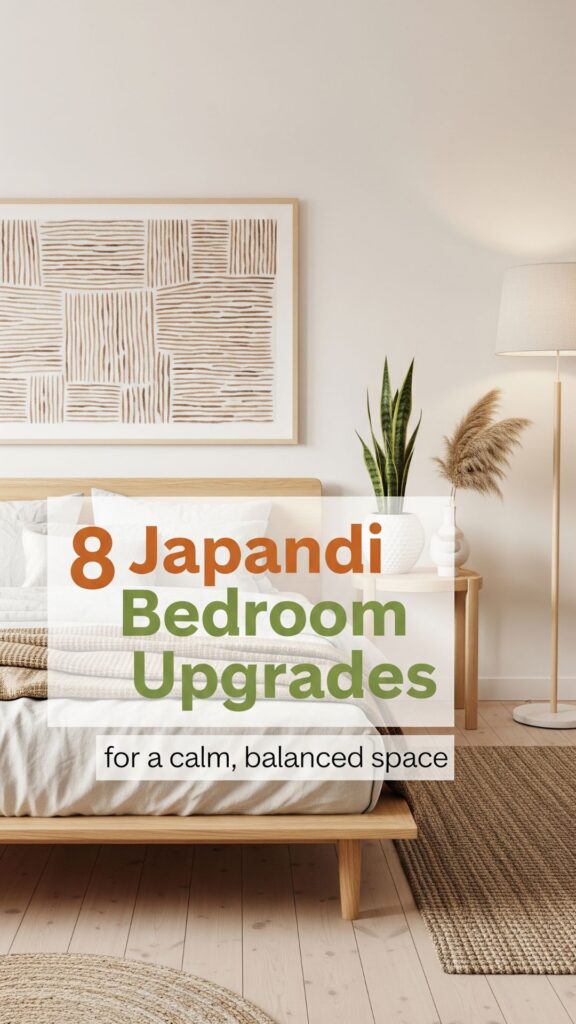
8 Best Japandi Bedroom Upgrades
1. Neutral Earth-Toned Color Palette
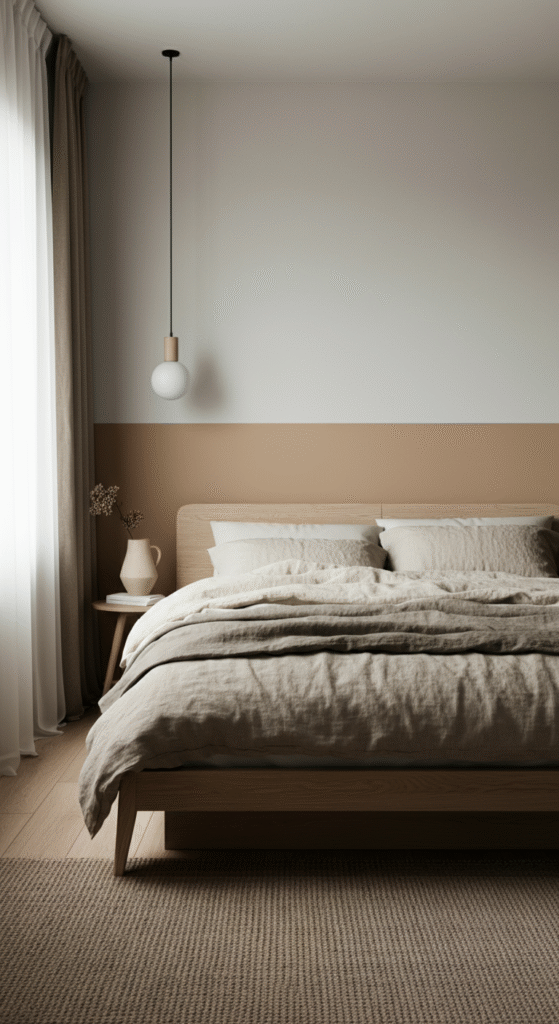
Japandi spaces thrive on harmony, and color is the foundation. Think soft whites, warm beiges, clay browns, faded greens, light greys, and muted taupe. These tones reduce visual noise and instantly bring your nervous system down a notch.
Do you know that color psychology studies show neutral palettes help lower stress responses? It’s one reason Japandi interiors feel so effortlessly peaceful.
When you upgrade your bedroom palette, you’re not trying to impress anyone. You’re setting a mood. Even one wall painted in a soft clay shade can make your entire room feel more grounded.
Keep textures natural and colors matte. High gloss breaks the calm, while matte surfaces absorb the light gently, making the room feel steady.
Shopping List
- Beige Linen Duvet Cover Set
- Warm White Matte Wall Paint
- Clay Brown Throw Blanket
- Neutral Cotton Pillow Covers
- Taupe Blackout Curtains
- Matte Beige Ceramic Vase
- Natural Fiber Area Rug
- Soft Grey Bed Sheet Set
- Minimalist Wooden Wall Art
- Faded Sage Cushion Covers
- Earth Tone Bedside Table Lamp
- Textured Neutral Quilt
- Sand Colored Bed Runner
- Off White Woven Basket
- Muted Terracotta Planter
- Light Grey Floor Pouf
- Cream Knit Throw
- Natural Wood Picture Frame
- Matte Stone Decorative Bowl
2. Low-Profile Furniture for Visual Airiness
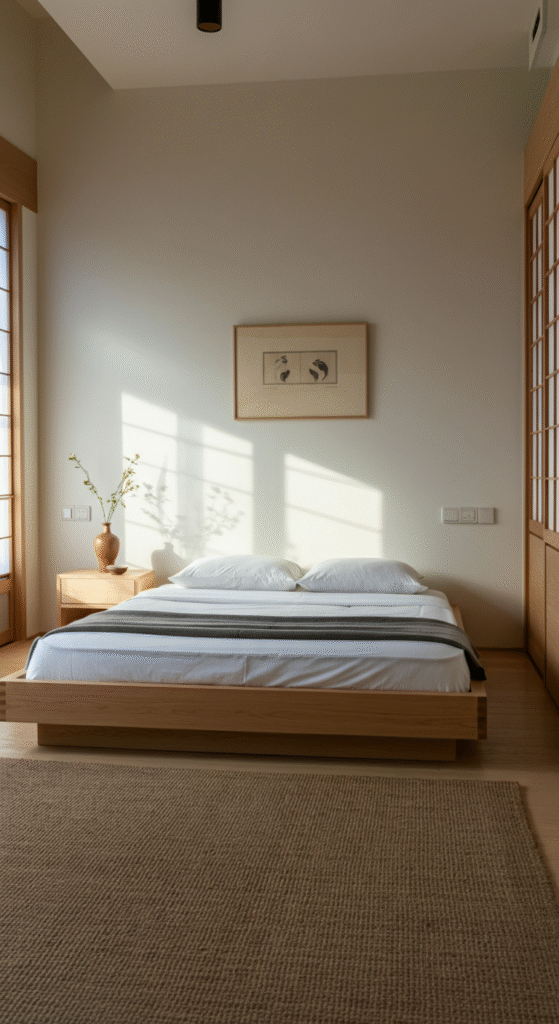
One of the biggest Japandi secrets is the use of low furniture. Low beds, low side tables, low benches. Why? It creates more vertical breathing space and gives the illusion of a larger, calmer room.
There’s also a cultural root behind it. In Japanese tradition, living closer to the floor promotes groundedness and presence. Scandinavian design loves this too because low furniture supports a minimal, uncluttered viewline.
Interesting fact: Rooms with low furniture are often perceived as “lighter” because your eyes don’t bump into tall blocky shapes.
Choose furniture in natural woods like oak, ash, bamboo, walnut, or birch. Their subtle grains add quiet beauty without stealing attention.
Shopping List
- Low Platform Wooden Bed Frame
- Minimal Oak Nightstand
- Low Modern Bench for Foot of Bed
- Low Profile Rattan Side Table
- Japanese Tatami Style Floor Bed
- Scandinavian Low Chest Drawer
- Minimal Wood Slat Headboard
- Slim Low Storage Cabinet
- Low Solid Pine Bed Base
- Floating Low Shelf
- Low Nordic Coffee Table
- Low Bamboo Bedside Stool
- Japandi Style Low TV Console
- Minimalist Low Dressing Table
- Low Wooden Seating Stool
- Compact Low Bookshelf
- Ash Wood Low End Table
- Low Height Bedside Organizer
- Minimal Low Bedside Drawer
3. Soft Light Layers Instead of Harsh Overhead Lights
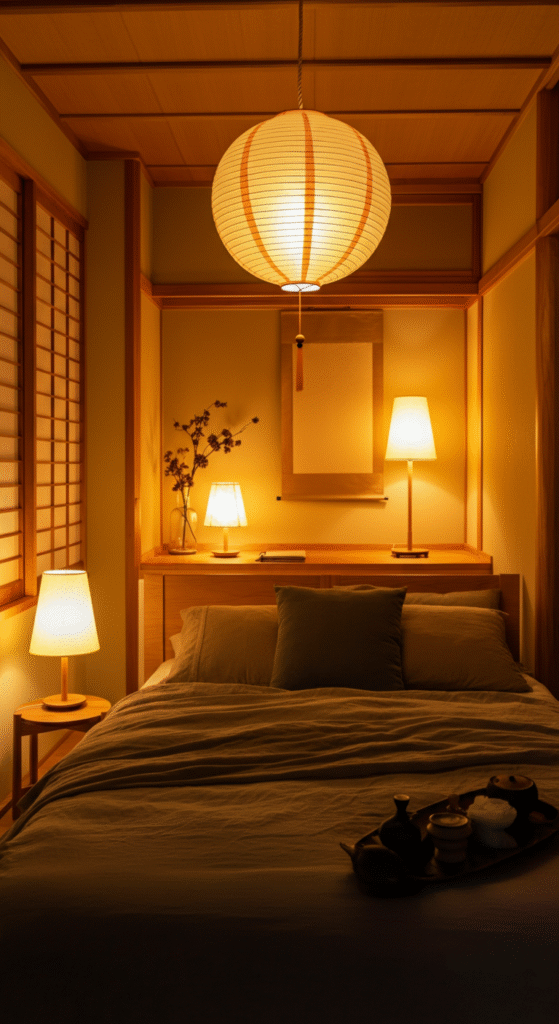
If there’s one thing that kills Japandi mood instantly, it’s a bright ceiling light blasting down on everything. Soft layered lighting is the heart of relaxation.
Your Japandi bedroom should feel like a slow exhale.
Add these layers:
Table lamps with warm tones
Soft paper lanterns
Wall sconces with diffused light
Floor lamps with fabric or rice paper shades
Warm LED strips tucked behind headboards or shelves
Do you know the Japandi lighting myth? Many people think paper lanterns are “too simple” to be elegant. But the truth is, their simplicity is what creates that signature glow that makes the entire bedroom feel dreamy and calm.
Warm light also highlights natural wood textures, which reinforces the organic style.
Shopping List
- Rice Paper Lantern Pendant Light
- Soft Glow Table Lamp with Linen Shade
- Warm LED Strip Lighting for Headboard
- Japandi Wall Sconce with Diffused Light
- Fabric Floor Lamp in Neutral Tone
- Warm White LED Bulbs
- Minimalist Ceramic Table Lamp
- Shoji Inspired Lamp
- Wood Base Ambient Night Lamp
- Rattan Pendant Light
- Adjustable Warm Desk Lamp
- Soft Linen Shade Accent Lamp
- Scandi Style Dome Lamp
- Touch Control Warm Light Lamp
- Bedside Lantern Style Light
- Warm Glow Rechargeable Table Lamp
- Linen Globe Hanging Light
- Light Wood Base Bedside Lamp
- Soft Amber Glass Lamp
4. Natural Textures for Depth and Warmth
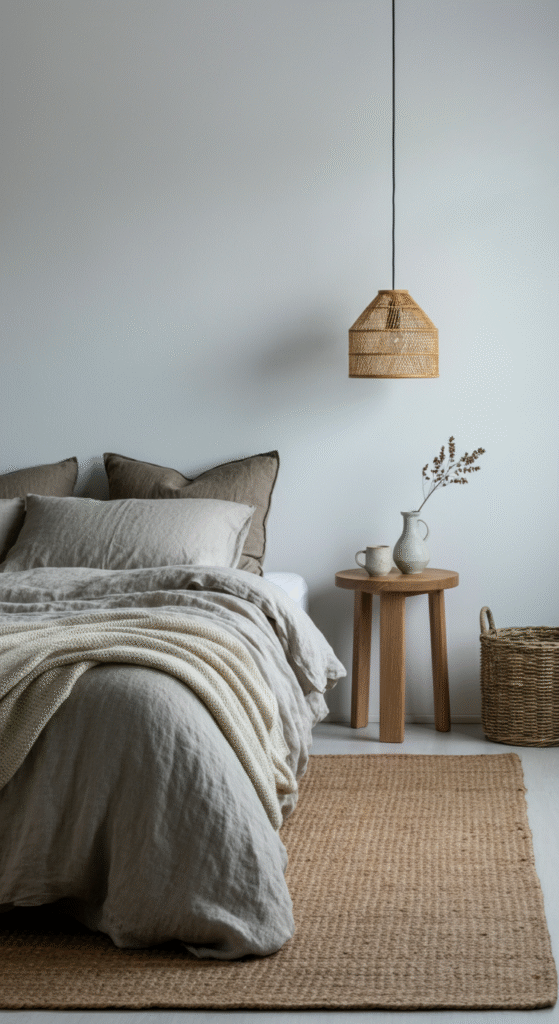
Japandi is often called “minimalism with a soul” because it doesn’t believe in empty, cold rooms. It believes in simplicity with warmth. That warmth comes from layering natural materials.
This is where your room starts feeling touchable.
You can bring in:
Linen bedding
Wool throws
Cotton quilts
Rattan baskets
Jute rugs
Wood bedside stools
Ceramic vases in handmade finishes
Myth breaker: Many think minimalism means “no layers.” In Japandi, layering is essential, but the layers are soft and muted, not excessive.
Natural textures soften straight lines, making your room feel lived-in, even if it’s still clean and uncluttered.
Shopping List
- 100 Percent Linen Bed Sheet Set
- Organic Cotton Throw Blanket
- Wool Chunky Knit Throw
- Jute Area Rug
- Rattan Storage Basket
- Handwoven Wall Hanging
- Bamboo Bed Tray
- Woven Cane Bedside Cabinet
- Stoneware Ceramic Vase
- Natural Wood Serving Tray
- Handmade Clay Pot
- Soft Linen Curtain Panels
- Jute Rope Plant Hanger
- Wool Felt Cushions
- Bamboo Room Divider
- Raw Edge Wooden Bowl
- Rattan Headboard Accent
- Organic Cotton Quilt
- Natural Fiber Bed Mat
5. Functional Storage with Hidden Clutter Solutions
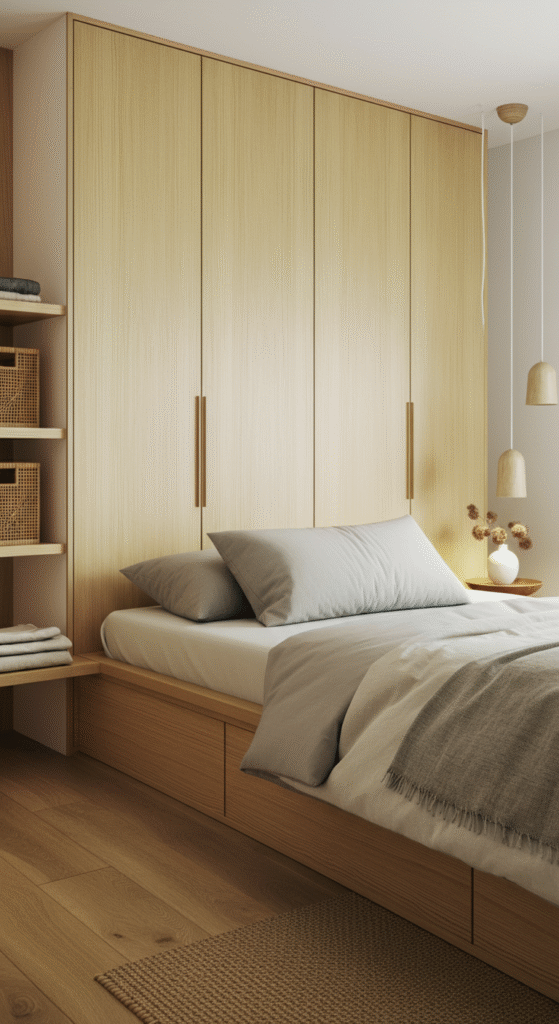
Japandi doesn’t chase perfection. But it definitely hides clutter well.
If your bedroom feels messy even after cleaning, it’s usually because storage isn’t working for you. Japandi storage focuses on being functional, simple, and quietly effective. Nothing should steal attention visually.
Use:
Under-bed drawers
Slim vertical wardrobes
Woven baskets for open shelves
Floating wall shelves
Bed benches with storage
Soft-close cabinets with plain wood fronts
Interesting fact: Scandinavian design pushed hidden storage into mainstream interiors to help people maintain mental clarity in smaller city homes. Japanese design, meanwhile, has centuries of experience naturally integrating storage into everyday living.
Combine both, and your bedroom finally feels like your brain can rest.
Shopping List
- Under Bed Storage Drawer Boxes
- Minimal Wood Wardrobe with Smooth Doors
- Foldable Woven Storage Bins
- Floating Wall Shelf Set
- Soft Close Storage Cabinet
- Slim Vertical Closet Organizer
- Low Bench with Hidden Storage
- Bedside Organizer Caddy
- Fabric Storage Baskets Neutral Colors
- Drawer Divider Set
- Hidden Storage Ottoman
- Bamboo Shelf Organizer
- Minimalist Shoe Storage Rack
- Closet Hanging Shelf Organizer
- Smooth Front Sideboard Cabinet
- Stackable Storage Boxes
- Neutral Underbed Zipper Bags
- Slim Dresser with Clean Lines
- Wooden Bedside Storage Chest
6. A Calm, Slow-Breathing Bedding Setup

Your bed is the hero of your Japandi room. And the upgrade is more about the experience than the look.
Choose bedding that feels natural and breathable. Linen, washed cotton, bamboo fiber. These fabrics wrinkle gently, which isn’t a flaw in Japandi style, it’s actually a charm. It makes your bed look soft, inviting, and lived in.
Color combinations that work beautifully:
White + beige
Taupe + charcoal
Olive + sand
Grey + off-white
Do you know: Linen bedding regulates temperature naturally, keeping you cool in summers and warm in winter. That’s one reason Japandi bedrooms often feel season-friendly.
Aim for a slightly undone look instead of stiff hotel folds. It feels more human, more gentle.
Shopping List
- Linen Duvet Cover in Sand Color
- Soft Washed Cotton Bed Sheets
- Bamboo Fiber Pillowcase Set
- Neutral Comforter with Light Texture
- Japanese Style Lightweight Quilt
- Scandinavian Knit Throw Blanket
- Feather Soft Insert Pillows
- Muted Tone Bedspread
- Breathable Bamboo Mattress Topper
- Organic Cotton Summer Blanket
- Stone Washed Linen Pillow Shams
- Minimalist Neutral Bed Runner
- Charcoal and Beige Bedding Set
- Soft Cotton Muslin Blanket
- Calming Taupe Quilt Cover
- Lightweight Linen Blend Blanket
- Minimal Scandi Bedroom Pillow Set
- Warm Grey Fleece Throw
- Soft Textured Cushion Covers
7. Handmade Decor Pieces with Imperfect Beauty
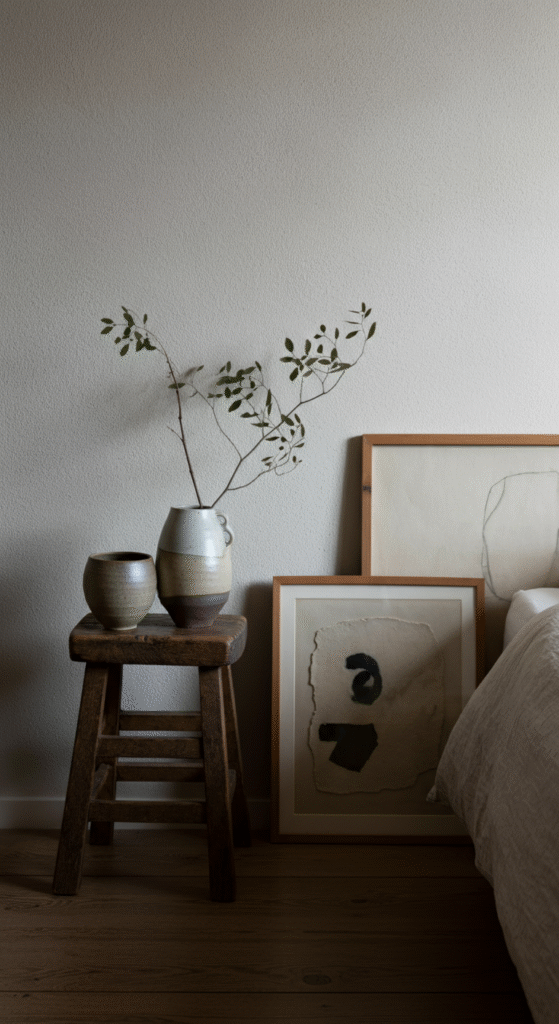
Japandi celebrates wabi sabi, the Japanese idea that beauty exists in imperfection. This is where your room gets soul. Pieces that look hand-touched make the space feel warmer.
Think:
Hand-thrown ceramics
Textured pottery
Imperfect wood bowls
Paintings with abstract brushstrokes
Handwoven baskets or mats
Scandinavian culture supports this with its love for hygge, the feeling of warmth and comfort. Combine both, and your room starts telling a story.
Interesting fact: Many Japandi homes feature a single handcrafted vase as their statement piece. Just one. It’s the opposite of clutter without feeling empty.
Choose items with intention. Something that reminds you of calm mornings, peaceful walks, or simple joys.
Shopping List
- Handcrafted Ceramic Vase Set
- Wabi Sabi Inspired Clay Bowl
- Rustic Wood Decorative Stool
- Hand Thrown Pottery Mug
- Textured Ceramic Table Pieces
- Handmade Wall Art Canvas
- Minimal Stone Sculpture
- Organic Shaped Wooden Tray
- Hand Carved Wooden Figurine
- Artisan Crafted Candle Holder
- Unglazed Ceramic Pots
- Abstract Brushstroke Art Print
- Handwoven Table Mat
- Raw Edge Wood Vase
- Irregular Shape Ceramic Plate
- Hand Sculpted Clay Decor
- Minimal Handmade Candle Jar
- Artisan Crafted Bedside Bowl
- Handcrafted Rattan Wall Accent
8. Plants and Greenery to Bring Life to the Space
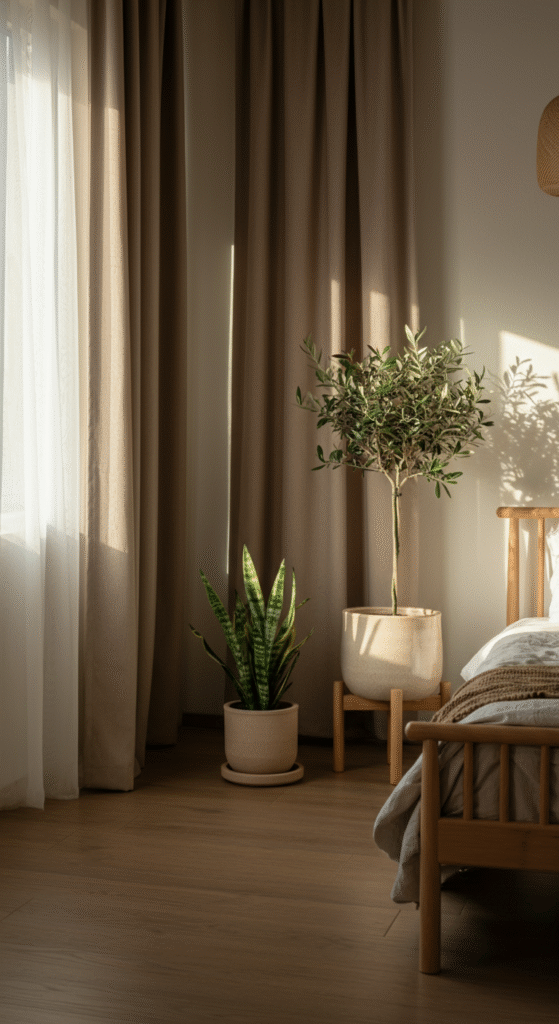
A Japandi bedroom without plants feels incomplete. Nature is central to both Japanese and Scandinavian philosophies. Plants clean the air, soften the room visually, and remind you that your space is alive.
Good plants for Japandi bedrooms:
Monstera
Olive tree
Snake plant
ZZ plant
Dwarf bamboo
Fiddle leaf tree
Fern varieties
Pothos
Do you know: Studies from environmental psychology suggest indoor plants increase feelings of calm and satisfaction, even if you don’t consciously notice them.
Place plants where light touches them gently. Use ceramic or stone planters instead of colorful pots, keeping the palette cohesive.
The goal isn’t to create a jungle. Just a few thoughtfully placed plants that breathe with your space.
Shopping List
- Snake Plant in Ceramic Pot
- Olive Tree Indoor Plant
- ZZ Plant with Neutral Planter
- Monstera in Matte Stone Pot
- Fiddle Leaf Fig Tree
- Bamboo Indoor Plant
- Pothos Hanging Planter
- Minimalist Ceramic Planter Set
- Scandi Style Plant Stand
- White Stone Plant Pot
- Tall Floor Plant Basket
- Small Bonsai Inspired Plant
- Dwarf Palm Plant
- Neutral Clay Pot for Indoor Plants
- Air Purifying Fern Plant
- Beige Woven Planter Basket
- Modern Concrete Planter
- Soft Green Succulent Set
- Tall Ceramic Cylinder Pot
Conclusion
Japandi isn’t a decor trend. It’s more like a quiet agreement with yourself… that your bedroom should support your peace, not compete with it. When you introduce calm colors, natural textures, slow lighting, handcrafted accents, and clutter-free solutions, the room begins to feel different. And eventually, so do you.
These eight upgrades aren’t complicated, they’re simply intentional. Even if you apply just two or three, your bedroom will start moving toward that serene, balanced atmosphere Japandi is known for.
Take it slow. Add one change, sit with it, feel how your room responds. Let your space evolve into a place where calm is not just seen but felt.
Frequently Asked Questions (FAQs)
What makes a bedroom Japandi style?
A blend of Japanese minimalism and Scandinavian warmth using natural materials, neutral colors, and simple functional design.
Is Japandi suitable for small bedrooms?
Yes, it actually makes small rooms feel more open and airy through low furniture and clutter-free layouts.
Which colors work best for Japandi decor?
Soft neutrals like beige, taupe, white, grey, clay, and muted green tones.
Do I need expensive furniture for Japandi style?
No, the focus is on simplicity and natural textures, not high-cost pieces.
What materials define Japandi interiors?
Wood, linen, cotton, ceramic, bamboo, wool, and other organic textures.