Some links in this blog are affiliate links. If you make a purchase through these links, I may receive a small commission. This helps support the site at no extra cost to you.
Monochrome style in bedroom décor might sound like an easy path, but it’s a nuanced approach that brings understated elegance to your space. Imagine a room where every element — from the walls to the furniture, textiles, and accessories — radiates a sense of calm and refinement through a carefully curated color palette of only one hue.
It’s not just about shades of grey or white; the monochrome aesthetic is versatile and adaptable, allowing you to embrace any color you choose, from deep blues to rich earth tones. The key to mastering monochrome design lies in balance, texture, and contrast, which elevate the overall experience of your bedroom.
This aesthetic has grown in popularity because of its ability to create a clean, soothing atmosphere — perfect for rest and relaxation. But is it truly simple, or does it take a skilled hand to pull off this refined look?
Let’s explore how you can incorporate the monochrome bedroom aesthetic into your home and why it might just be the ultimate solution to a peaceful yet stylish sanctuary.
Table of Contents
7 Monochrome Bedroom Aesthetic Interior
1. Layering Shades: From Light to Dark
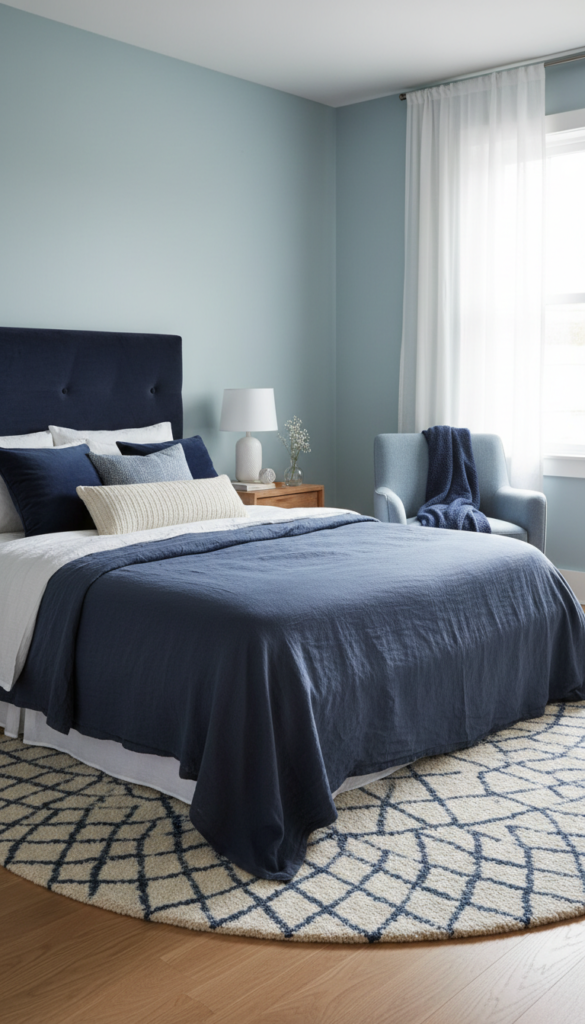
Creating a monochrome bedroom isn’t about using the same shade of one color throughout the entire room. Instead, it’s about layering various tones, from the lightest to the darkest, to add depth and interest. For example, if you choose a muted blue palette, you could start with light blue walls, pair it with darker blue bedding, and finish the look with navy curtains or furniture.
Do you know? Layering different shades of one color can actually help to highlight the room’s unique architectural features, such as windows or art pieces, creating visual interest while maintaining a cohesive look.
For a monochrome bedroom to feel dynamic rather than flat, use a variety of textures — think velvet cushions, linen bedspreads, and a wool rug. These textures will catch the light differently and prevent the room from feeling too uniform or one-dimensional.
2. Monochrome with Textures: Add Depth
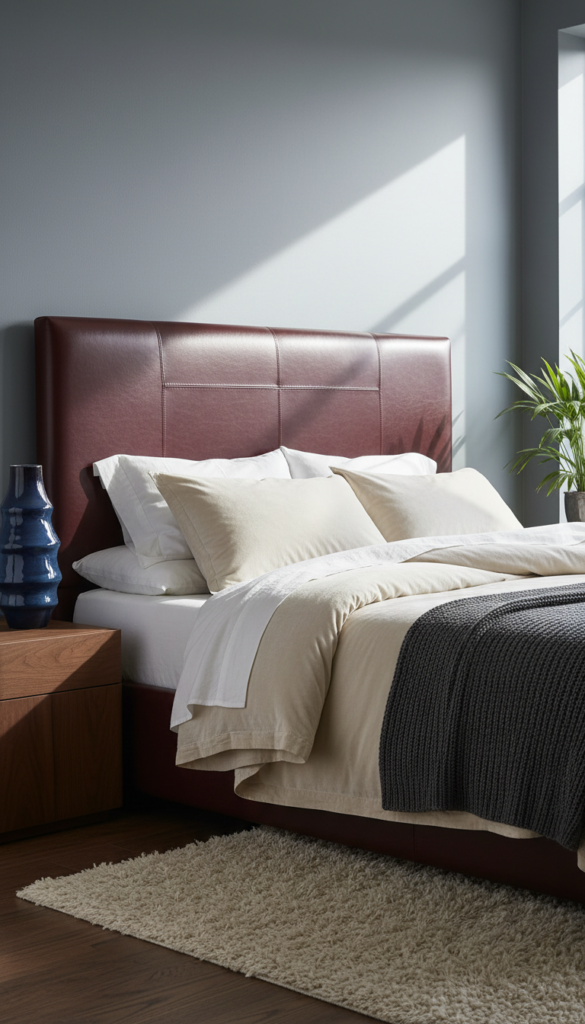
While a monochrome color scheme may seem simple, texture is the secret to making the space truly pop. The key is to mix different materials to add visual intrigue. A soft velvet duvet can be paired with a sleek leather headboard, while matte and glossy finishes can contrast nicely on the walls and furniture.
Myth alert! Many people believe that a monochrome room has to be stark or sterile, but this is far from the case. By mixing different fabrics, finishes, and even paint types (matte vs. satin), you create a multi-dimensional effect that adds warmth and personality.
If your chosen color is white, opt for varying finishes like a matte wall paint, glossy light fixtures, and a soft, fluffy comforter. If you go for dark tones like charcoal, consider mixing sleek modern pieces with more rustic elements to create balance.
3. Accent Features: The Art of Contrast
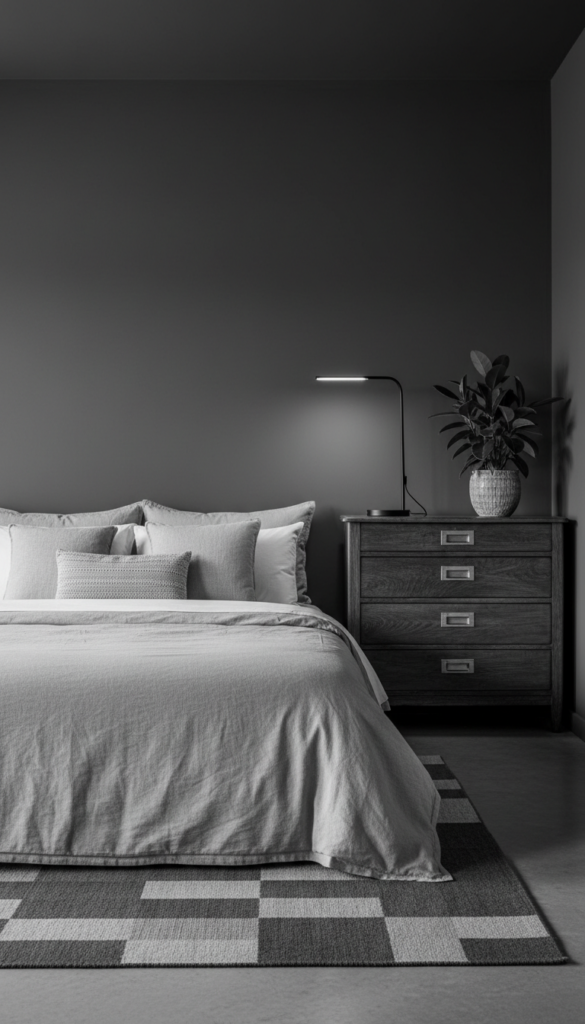
While monochrome design relies heavily on a single hue, that doesn’t mean everything in the room must match exactly. Accent pieces in varying textures and subtle tones of the same color can create beautiful contrasts and highlight important features.
Think of it as a visual break. A dark headboard with pale-colored throw pillows or contrasting floor rugs can add a fresh vibe without disrupting the harmony of the room.
Fun Fact: Contrasting accents in a monochrome room are what keep it from looking too flat. They create visual intrigue while maintaining the minimalist feel that’s essential for a monochrome interior.
4. Statement Furniture Pieces: Bold Yet Subtle
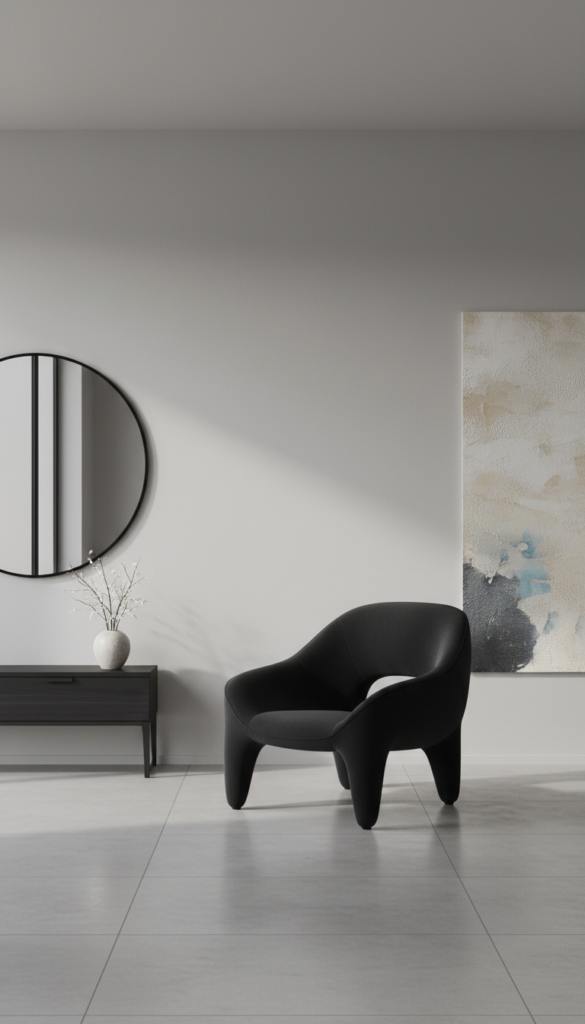
One of the most captivating aspects of the monochrome aesthetic is its ability to turn seemingly simple furniture pieces into the focal point of the room. Since you’re working with a limited color palette, it’s essential that each item you choose plays a vital role in elevating the space.
For instance, you can incorporate minimalist furniture pieces in a rich dark hue, such as a statement chair or a bold bookshelf, to complement the overall tone of the room. A beautifully crafted black dresser against a muted grey backdrop can serve as a striking focal point.
Did you know? In a monochrome bedroom, statement furniture can be as impactful as a piece of art. A bold, dark armchair or a vintage lamp could add a surprising layer of sophistication.
5. Wall Art: Creating the Perfect Focal Point
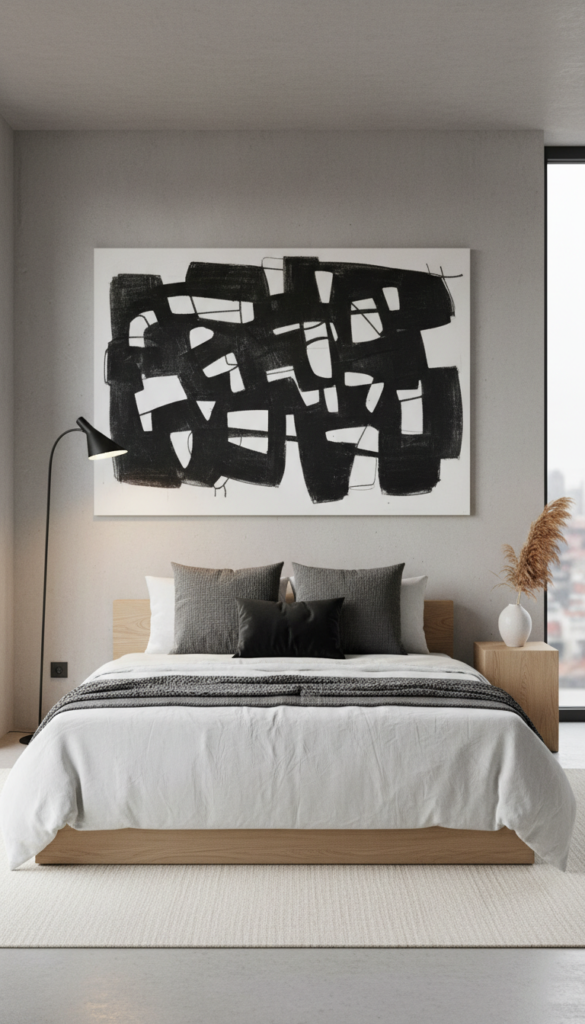
A monochrome room needs something to break up the uniformity. Wall art provides the perfect opportunity to inject personality into the space while keeping the overall aesthetic intact. Consider large abstract paintings or simple, minimalist art in the same color scheme — think black-and-white photography, charcoal sketches, or graphic designs in muted tones.
Myth: Some believe that monochrome décor doesn’t allow for bold art. On the contrary, bold art is one of the best ways to break up the monotony and add depth. Just keep the tones consistent with the rest of the room, and you’ll have a perfect match.
6. Lighting: Adding Warmth and Mood
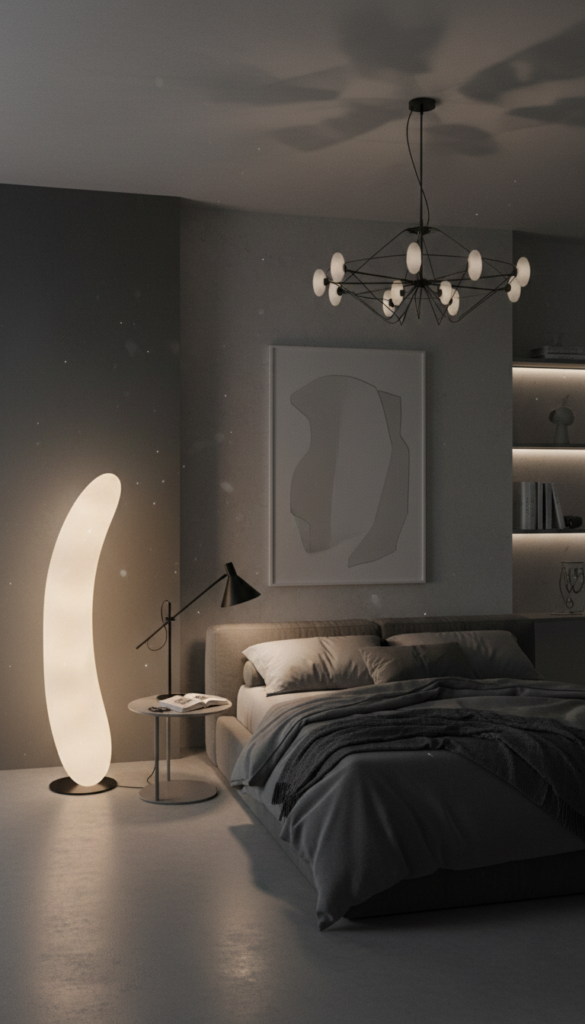
Lighting is often underestimated in monochrome design, but it plays a crucial role in bringing your space to life. Opt for a combination of natural light, task lighting, and mood lighting to create a dynamic atmosphere. Soft, warm lighting from a chandelier or table lamps can soften the harshness of dark tones in the room.
To keep the space cozy and inviting, consider light fixtures in varying textures — a glossy lamp paired with a matte ceiling light can keep the balance between light and dark while maintaining harmony.
Interesting Fact: Dim lighting in monochrome rooms helps evoke a sense of intimacy, while bright, overhead lights can create a more energetic, open atmosphere. Choose your lighting based on the mood you want to set.
7. Monochrome Accessories: The Finishing Touches
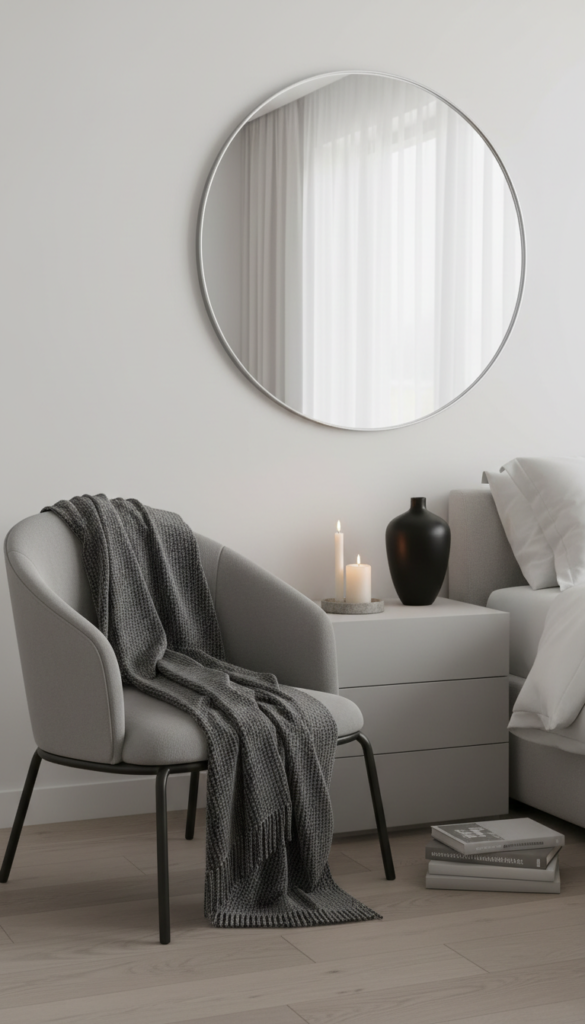
Finally, accessories are the cherry on top of any monochrome bedroom. From throw pillows and blankets to vases and lamps, small details help tie the entire room together. Choose monochrome accessories that reflect your personal style and the room’s main color. A gold-framed mirror or black decorative candles can seamlessly blend into a space dominated by grey tones.
Did you know? Accessories don’t always have to be in perfect harmony with the walls or furniture. In fact, a few contrasting pieces in similar hues can offer just the right amount of visual interest to make the room feel complete.
Conclusion: Less is More with Monochrome Design
A monochrome bedroom may initially seem like a minimalist trend, but it’s a versatile design choice that offers endless possibilities. Whether you prefer subtle tones or bold statements, the monochrome aesthetic can be a stylish yet simple way to create a tranquil sanctuary. With thoughtful layering, attention to texture, and carefully selected accessories, a monochrome bedroom can easily be transformed into a chic, inviting space that reflects your personality.
By embracing monochrome, you’re not only simplifying your design process but also adding a timeless elegance to your bedroom that will remain stylish for years to come.
Frequently Asked Questions (FAQs)
1. Can I use different colors in a monochrome bedroom?
A: A true monochrome room sticks to one color in varying shades. However, you can introduce slight variations or accents in the same color family to add depth and contrast.
2. How do I make a monochrome room feel less flat?
A: Use a variety of textures, such as velvet cushions, leather furniture, and linen bedspreads, to create visual interest and prevent the room from feeling too uniform.
3. Is monochrome décor suitable for small bedrooms?
A: Yes! Monochrome can make a small space feel more open and organized, especially when using light tones or subtle textures that help expand the visual space.
4. Can I add bold art to a monochrome room?
A: Absolutely! Bold artwork in complementary tones can break up the uniformity and become a striking focal point without disrupting the monochrome aesthetic.
5. What’s the best lighting for a monochrome bedroom?
A: A mix of natural light, soft task lighting, and mood lighting is ideal. Opt for warm-toned fixtures to create a cozy and inviting atmosphere.