Some links in this blog are affiliate links. If you make a purchase through these links, I may receive a small commission. This helps support the site at no extra cost to you.
Minimalism isn’t about living with nothing—it’s about living with intention. In fact, did you know the concept of minimalism in design started gaining popularity in Japan centuries ago, long before the Western world embraced it?
The Japanese “Ma” philosophy, which focuses on the beauty of empty space, has deeply influenced modern minimalism.
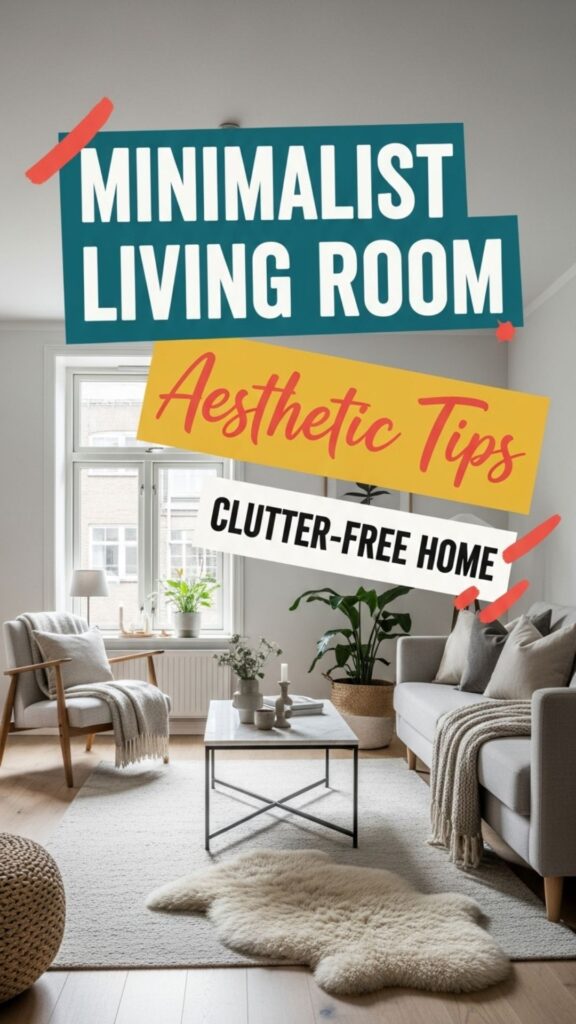
So, if you’re ready to transform your living space into a clutter-free sanctuary that feels calm and inviting, here are 15 minimalist living room aesthetic tips to guide you.

Table of Contents
15 Best Minimalist Living Room Aesthetic Tips
1. Start With a Neutral Color Palette
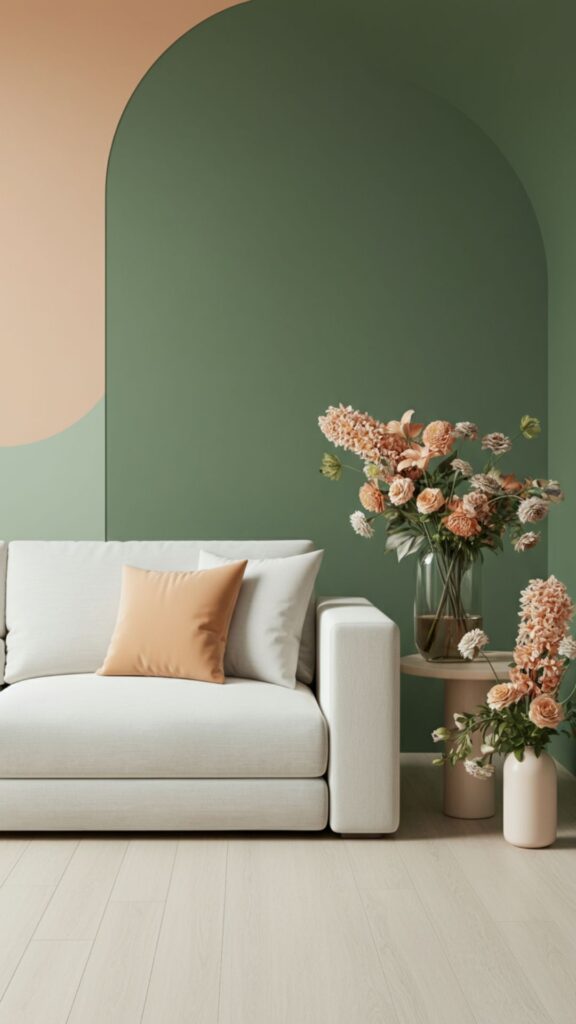
Neutral tones are the foundation of a minimalist living room. Think shades of white, beige, soft gray, or muted earth tones. These colors create a clean backdrop, making your space appear open and airy.
Interesting fact: Studies show that lighter colors in a room can actually make people feel calmer and less stressed. By sticking to neutrals, you allow the eye to rest and prevent visual chaos.
2. Invest in Quality, Not Quantity
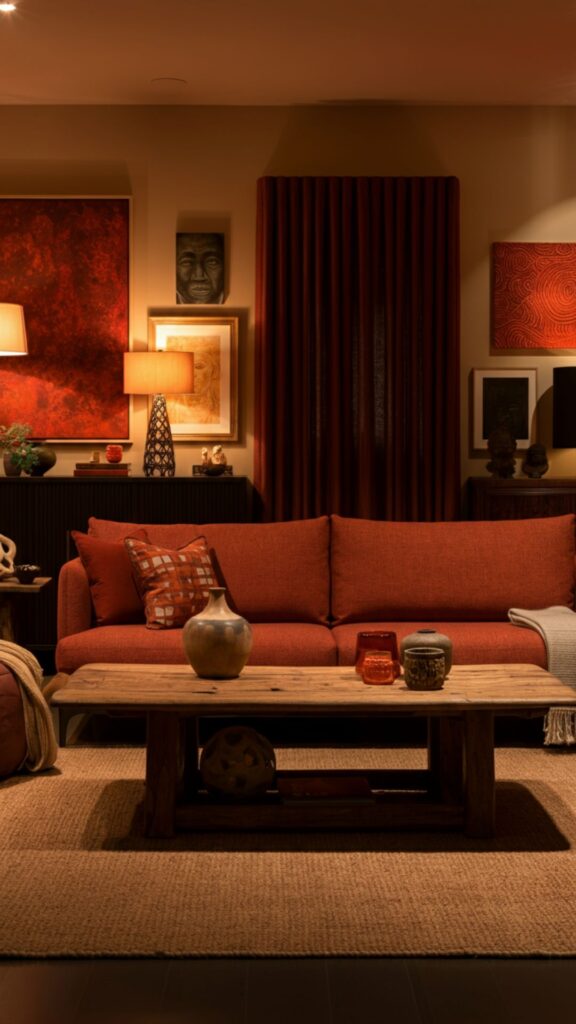
Minimalism thrives on the idea of “less, but better.” Instead of filling your living room with many cheap decor pieces, invest in high-quality furniture or art that will last.
Do you know why minimalist spaces look so effortlessly chic? Because each item is carefully chosen with intention. A sleek sofa or a handcrafted coffee table can become the star of the room without the need for excessive decoration.
3. Declutter Ruthlessly

The heart of minimalism is decluttering. Go through every corner of your living room and remove anything that doesn’t serve a purpose or bring joy.
A common myth about decluttering is that you’ll end up with a “cold” or “empty” room. In reality, minimalism gives your meaningful items room to shine. That family photo or a favorite plant will stand out more when not surrounded by unnecessary clutter.
4. Opt for Multi-Functional Furniture
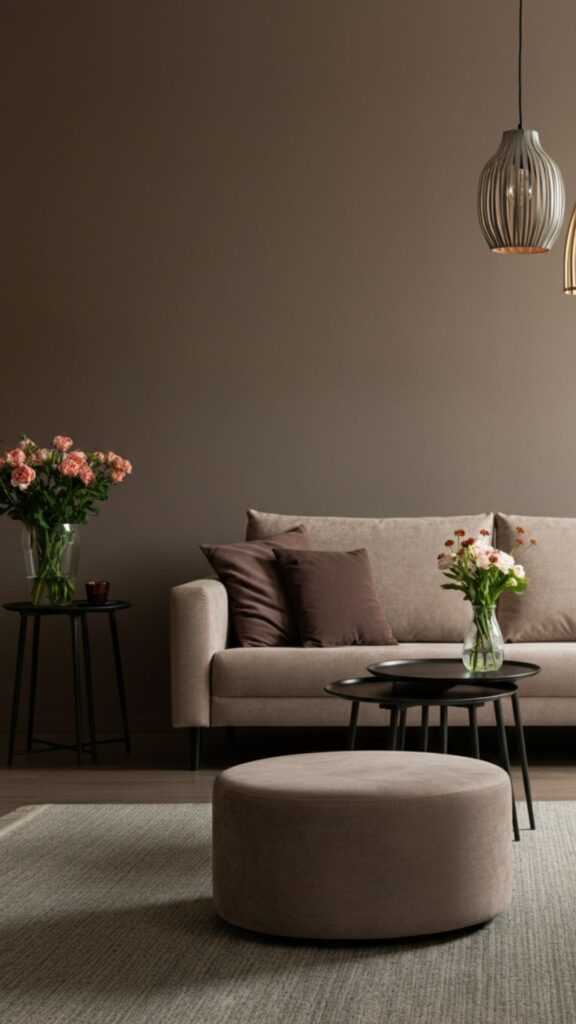
A clutter-free living room doesn’t mean compromising on functionality. Choose furniture that serves more than one purpose—like ottomans with hidden storage, sofa beds, or nesting tables.
Not only do these save space, but they also reduce the need for multiple items, keeping your living room simple and organized.
5. Maximize Natural Light
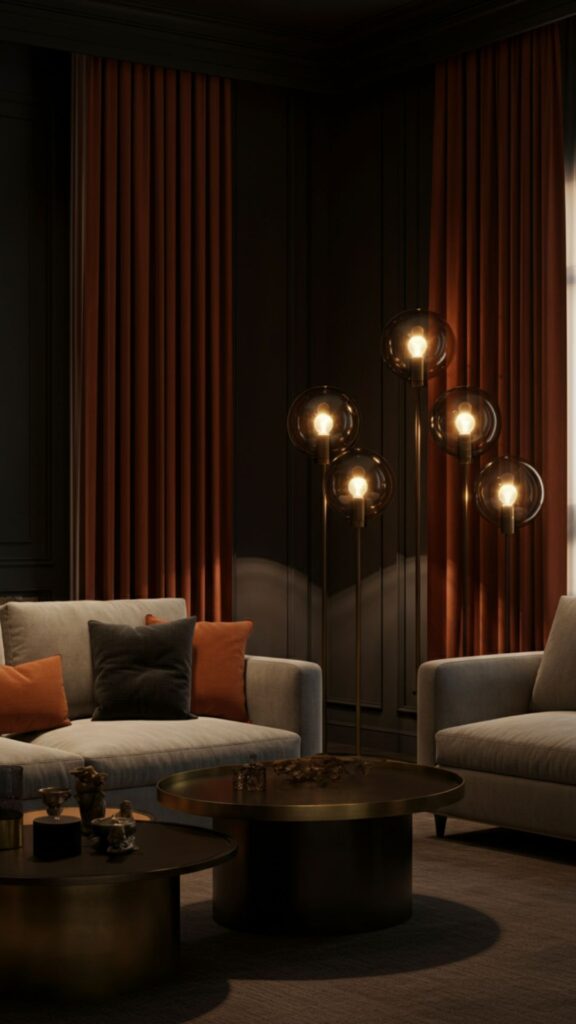
Minimalist living rooms look best when bathed in natural light. Keep window treatments simple—sheer curtains or blinds that let in plenty of daylight.
Did you know natural light is proven to boost mood and productivity? It also enhances your neutral palette, making your space feel warm instead of stark.
6. Add Texture for Warmth
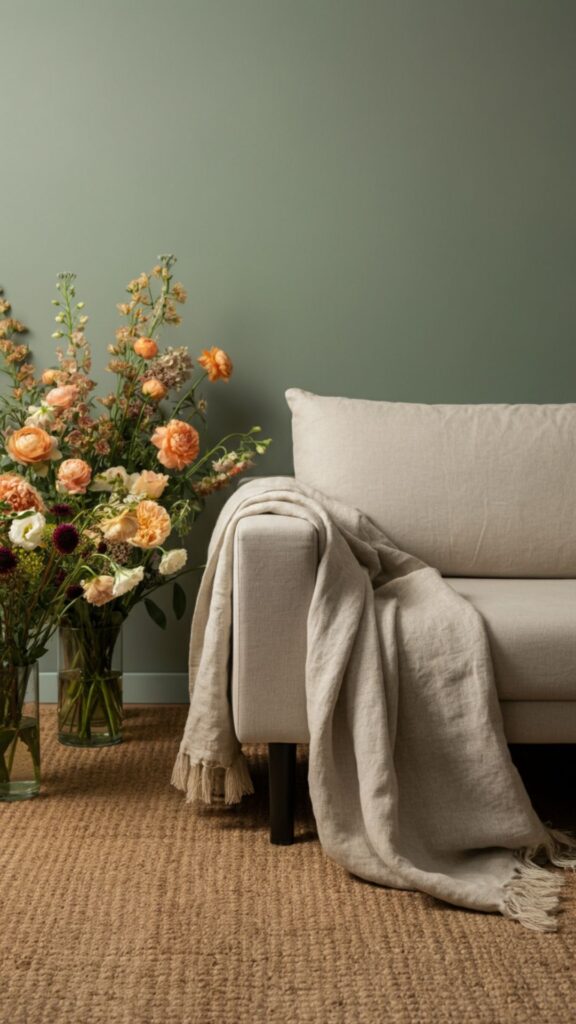
Minimalism doesn’t mean boring. Incorporate textures—like a soft wool throw, a jute rug, or linen cushions—to add depth and coziness to your space.
This is especially important if you’re working with mostly neutral colors. Textures create visual interest without introducing clutter.
7. Choose Statement Pieces Carefully
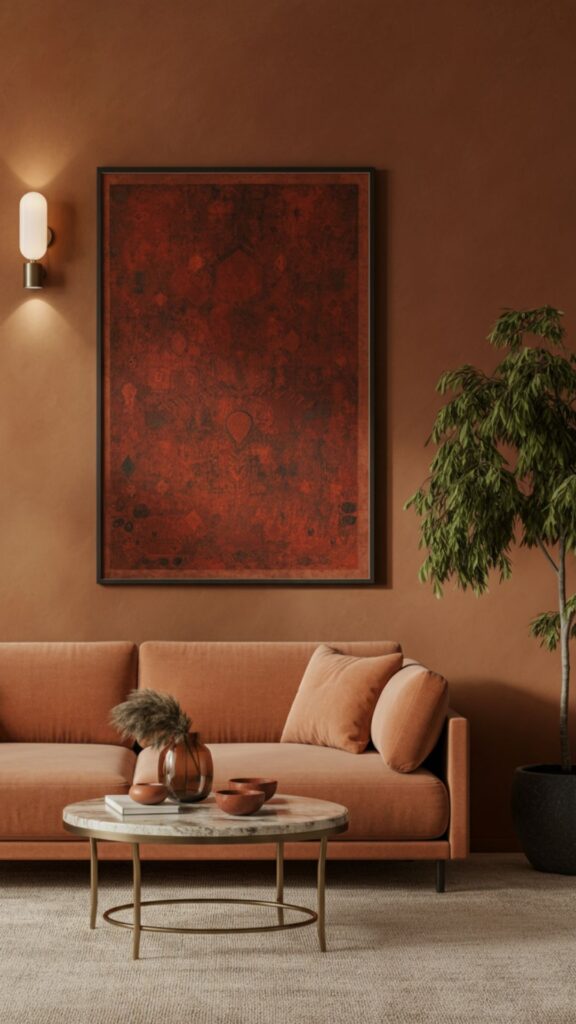
In minimalism, less is more. Instead of filling your room with countless small items, pick one or two statement pieces. It could be a large artwork, a sculptural lamp, or an oversized plant.
The key is to let these pieces breathe in the space, drawing attention without competing with other items.
8. Keep Surfaces Clear
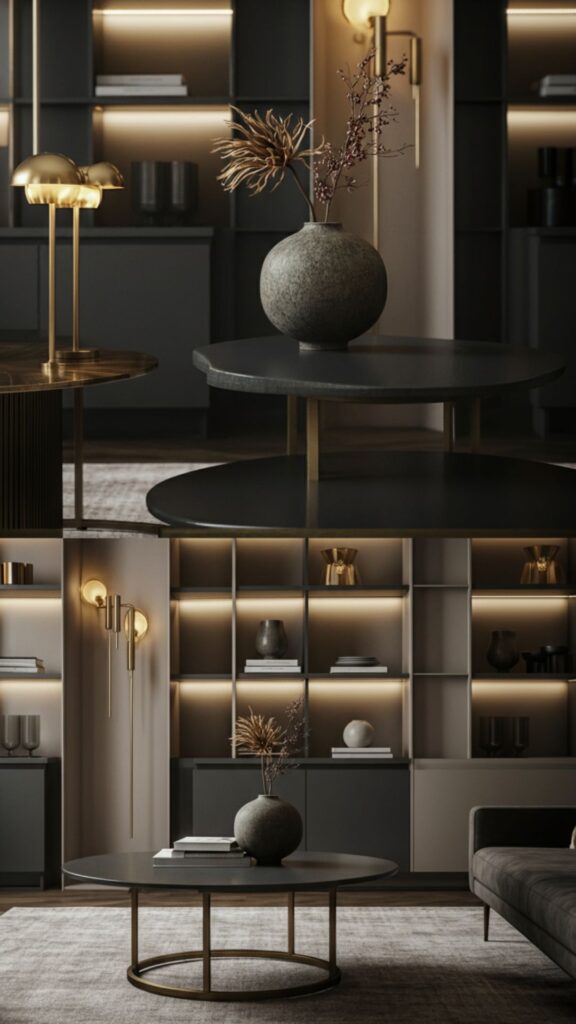
Clutter often accumulates on flat surfaces like coffee tables, shelves, and sideboards. A minimalist living room aesthetic thrives on clean surfaces.
Myth-buster: Empty surfaces aren’t lifeless—they make room for mindfulness. Having a clutter-free coffee table, for example, allows you to enjoy your cup of tea without visual distraction.
9. Incorporate Greenery
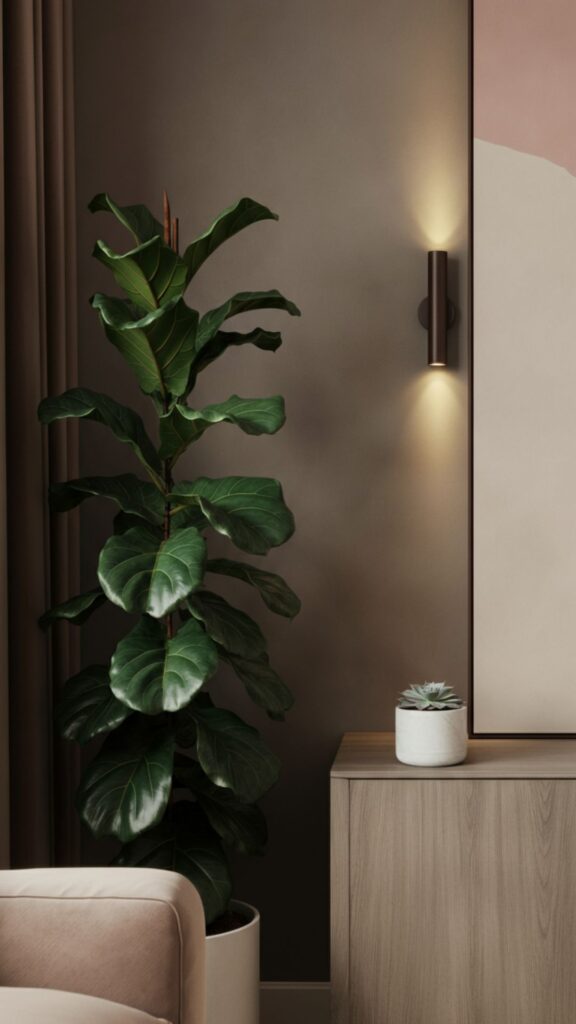
Plants bring life to a minimalist living room without overwhelming it. A single fiddle-leaf fig in the corner or a small succulent on a shelf can instantly make your space feel fresh.
Interesting fact: Indoor plants not only purify the air but also reduce stress levels. Minimalist homes often use greenery as a “natural accessory.”
10. Prioritize Open Space
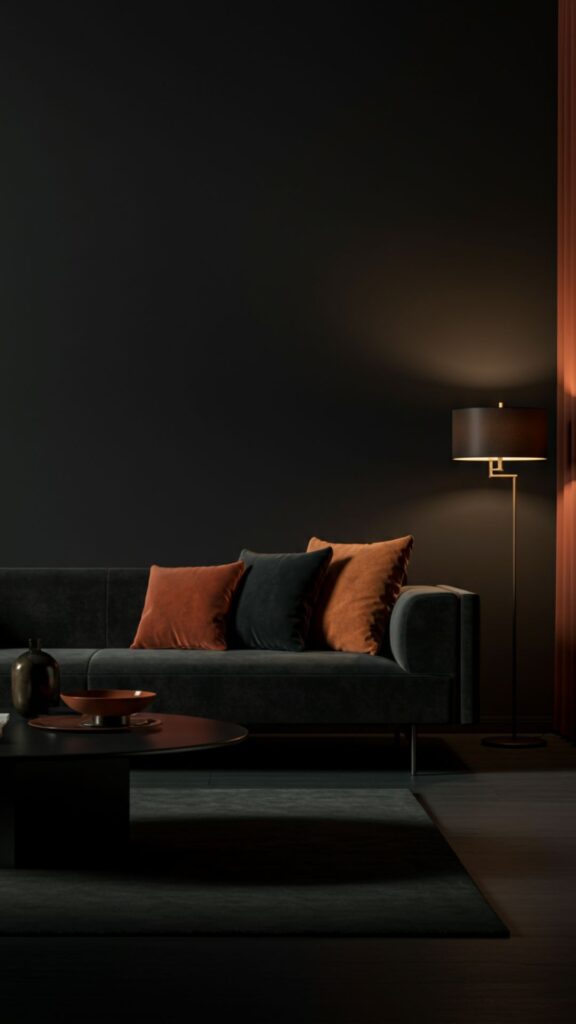
One of the most powerful aspects of minimalism is negative space. Don’t feel pressured to fill every corner of the room. Allow empty areas to exist—it’s part of the aesthetic.
Remember, minimalism values quality space over quantity of objects. A room with breathing space feels calmer and more functional.
11. Stick to Clean Lines
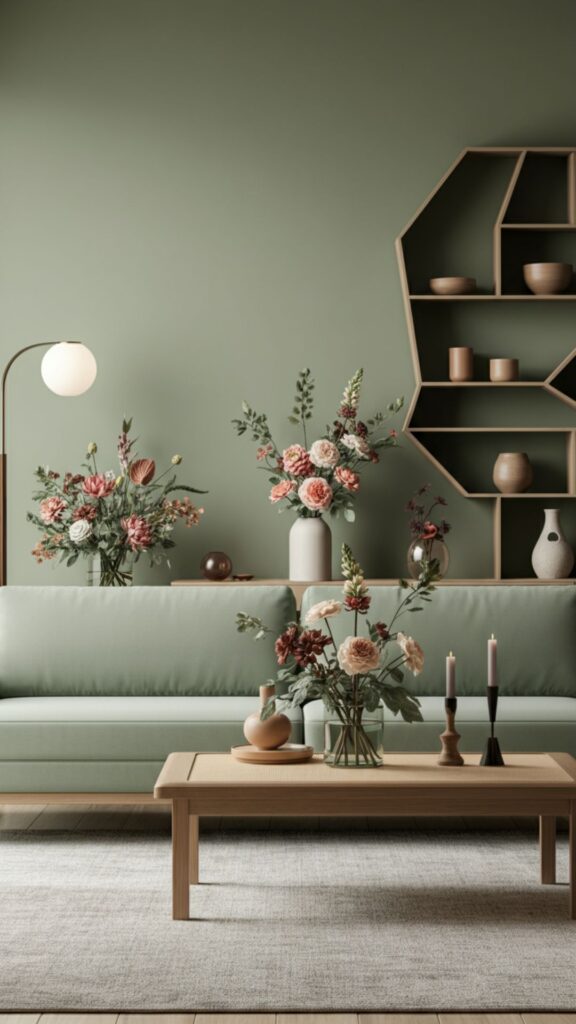
Minimalist design thrives on simplicity, which often comes from clean, straight lines. Choose furniture with simple silhouettes—rectangular coffee tables, streamlined sofas, and geometric shelving.
Curved shapes can work too, but keep them minimal and consistent. The idea is to avoid overly ornate or busy designs.
12. Hide the Wires and Gadgets

Electronics can quickly ruin the minimalist aesthetic. Use cable management solutions to hide wires, and if possible, wall-mount your TV for a sleeker look.
Do you know the average household has more than 20 visible cords in living areas? Managing these instantly improves visual calm in your space.
13. Use Mirrors to Expand Space
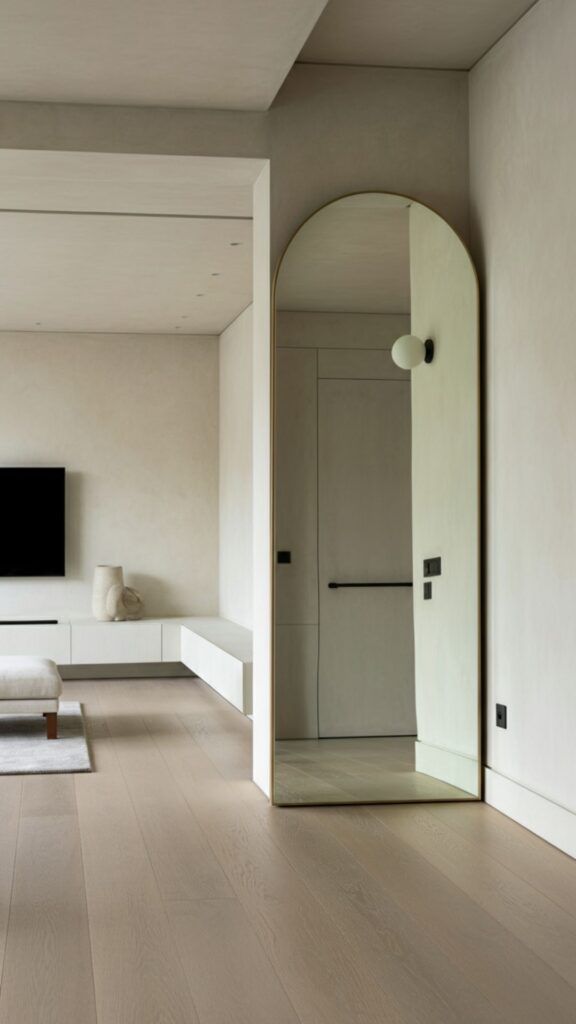
Mirrors are a minimalist’s secret weapon. They reflect light and create the illusion of a larger room, especially in small living spaces.
A single large mirror with a slim frame is often enough to open up the room without feeling excessive.
14. Limit Decorative Accessories
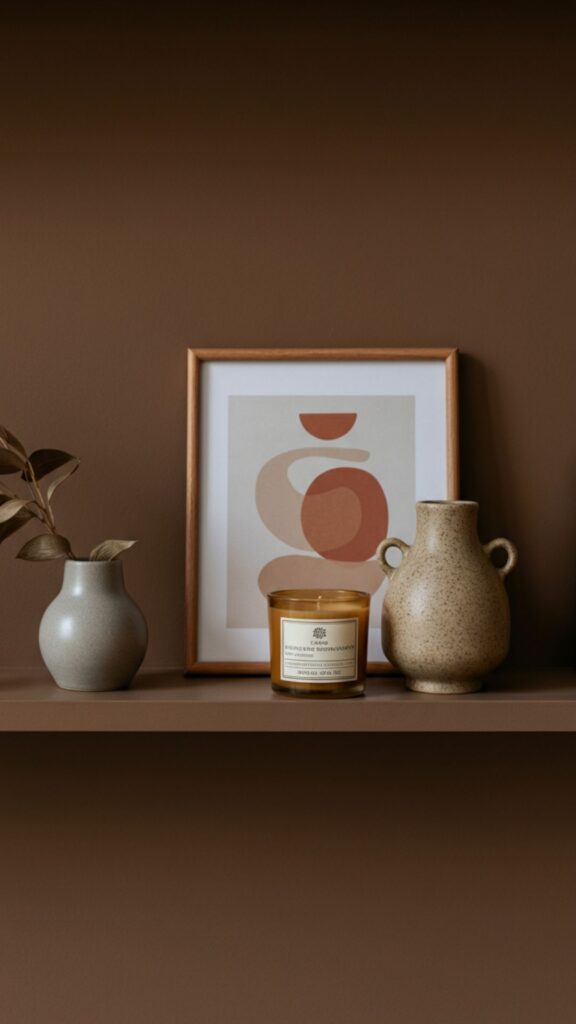
It’s tempting to add endless cushions, candles, or knick-knacks, but minimalism calls for restraint. Stick to a few carefully chosen accessories that complement your palette and style.
Fun fact: The “rule of three” in interior design suggests that items grouped in threes are more visually appealing. Instead of a dozen decor pieces, try three cohesive ones.
15. Embrace Minimalist Artwork
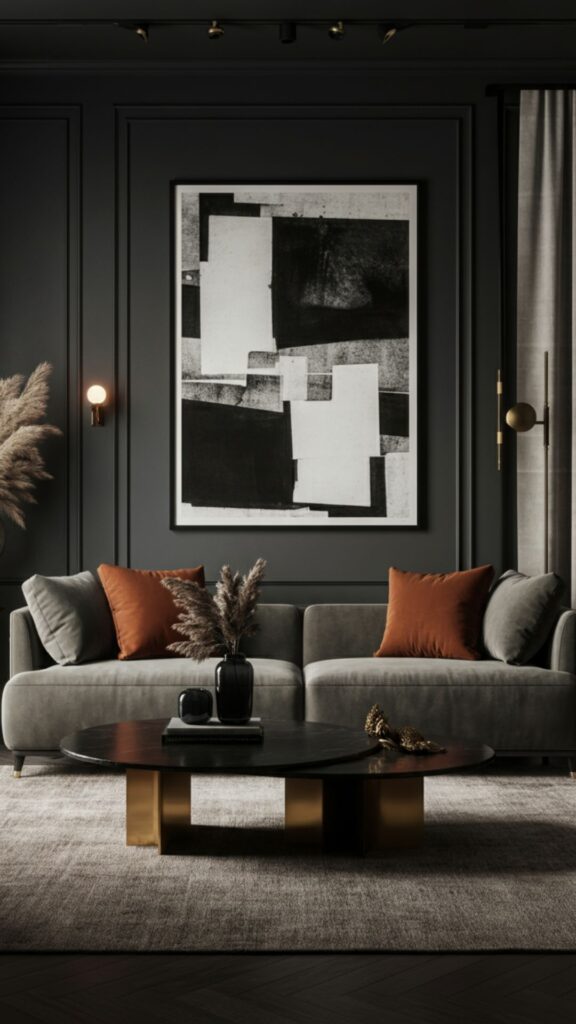
Art doesn’t have to be loud or overly colorful to make an impact. Minimalist artwork—whether abstract line drawings, monochrome prints, or geometric shapes—can enhance your living room’s aesthetic without clutter.
Choose one or two large pieces instead of several small ones. This creates harmony and prevents visual overload.
Conclusion
A minimalist living room is more than a design choice—it’s a lifestyle statement. By embracing neutral palettes, thoughtful furniture, and clutter-free surfaces, you create a space that nurtures calmness and clarity.
Minimalism doesn’t mean sacrificing comfort or personality; it means highlighting what truly matters. With these 15 tips, you can transform your living room into a sanctuary that reflects peace, intention, and timeless beauty.
So, are you ready to trade chaos for calm? Start small, be intentional, and let your living room become the clutter-free haven you deserve.
Frequently Asked Questions (FAQ)
Is a minimalist living room expensive to achieve?
Not necessarily. Minimalism focuses on owning fewer but better-quality items. While you may invest in durable furniture, you’ll save money by avoiding constant purchases of unnecessary decor. Many people find it’s actually more cost-effective in the long run.
Won’t a minimalist living room feel too plain or boring?
This is a common myth. Minimalism doesn’t mean empty—it’s about intentional design. By using textures, statement pieces, and greenery, you can create a space that feels warm, inviting, and full of personality.
How do I start making my living room minimalist?
Start by decluttering. Remove items that don’t serve a purpose or add value. Then, choose a neutral color palette and invest in multifunctional furniture. Begin small, and adjust gradually as you find your comfort zone.
Can minimalism work in small living rooms?
Absolutely! In fact, small living rooms benefit the most from minimalism. By reducing clutter, using mirrors, and maximizing natural light, you can make a small room feel more spacious and open.
What colors are best for a minimalist living room?
Neutral tones such as whites, grays, beiges, and soft earth tones are ideal. These shades create a calming environment and allow other elements—like artwork or greenery—to stand out.