Some links in this blog are affiliate links. If you make a purchase through these links, I may receive a small commission. This helps support the site at no extra cost to you.
Did you know that the air inside your home can be more polluted than the air outside? Many people focus on keeping their living spaces clean but overlook one simple, natural solution: indoor plants.
Certain plants are not just visually appealing—they act as natural air purifiers, filtering harmful toxins and improving the overall air quality. Imagine transforming your living room into a sanctuary that not only looks beautiful but also promotes your health and well-being.
For centuries, plants have been revered for their aesthetic and therapeutic properties. From ancient civilizations to modern interior design trends, greenery has been linked to stress reduction, better focus, and even enhanced sleep quality.
But beyond their calming effects, some plants go a step further—they actively clean the air you breathe.
In this post, we will explore 14 living room plants that purify the air, detailing their unique benefits, care requirements, and some fascinating facts you might not know.
Whether you are a beginner plant parent or an experienced green thumb, these selections will inspire you to breathe easier at home.

Table of Contents
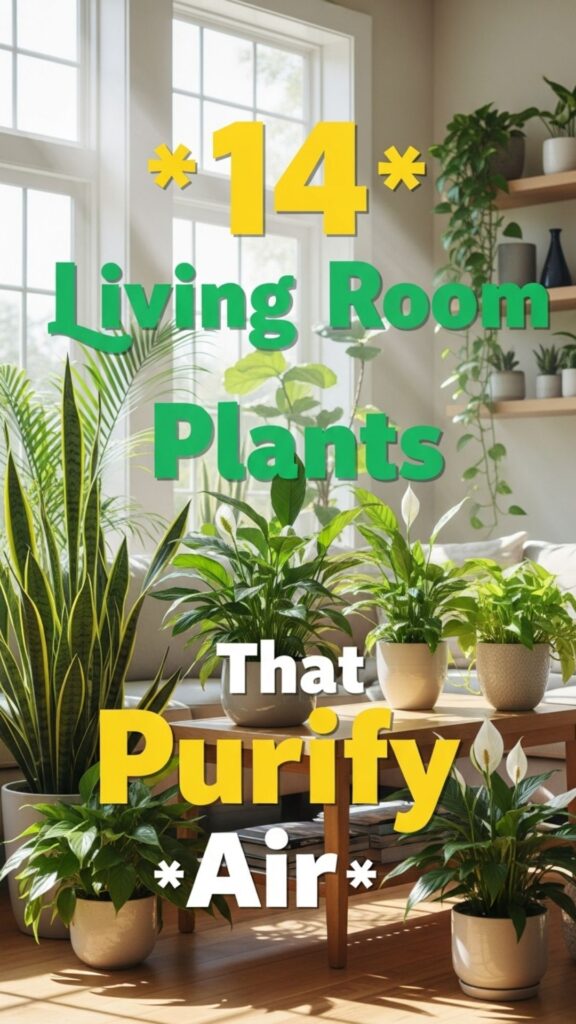
14 Living Room Decor With Plants
1. Snake Plant (Sansevieria trifasciata)
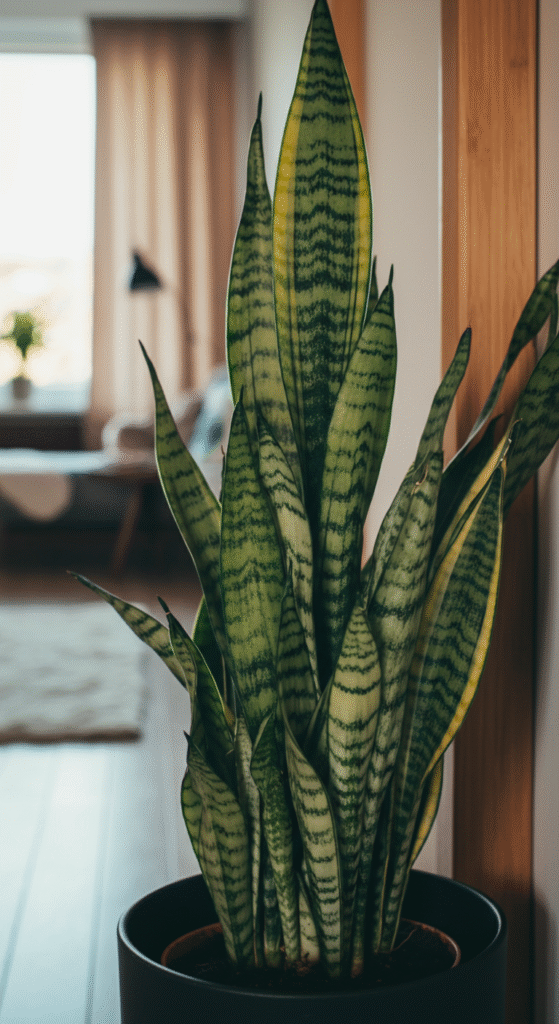
The Snake Plant, also known as Mother-in-Law’s Tongue, is a hardy plant that thrives on neglect, making it perfect for busy households. It’s not just popular for its striking upright leaves but also for its ability to remove toxins such as formaldehyde, xylene, and toluene from the air.
Do you know? The Snake Plant is one of the few plants that continue to produce oxygen at night, making it an excellent choice for bedrooms.
- Care Tip: Requires minimal watering and thrives in indirect light.
- Interesting Fact: NASA studies on indoor air quality highlighted the Snake Plant as a top air-purifying plant due to its resilience and efficiency.
2. Peace Lily (Spathiphyllum)

Peace Lilies are loved for their elegant white blooms and glossy green leaves. They are highly effective at removing pollutants like benzene, trichloroethylene, and ammonia.
Myth Busting: Many people believe Peace Lilies can survive on just water. While they can tolerate low humidity, they thrive best with regular watering and moderate indirect light.
- Care Tip: Keep soil moist but avoid overwatering; they flourish in shaded areas.
- Fun Fact: Peace Lilies can bloom indoors year-round with proper care, adding a touch of serenity to any living room.
3. Areca Palm (Dypsis lutescens)
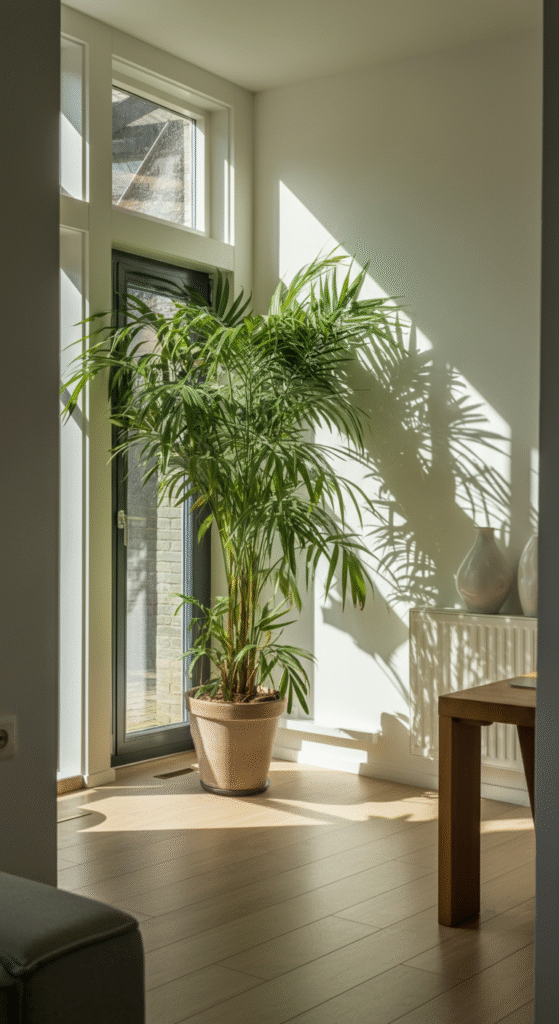
Areca Palm is a tropical plant that doubles as a natural humidifier. Its feathery fronds not only beautify a space but also remove toxins and increase moisture in dry indoor environments.
Do you know? Placing an Areca Palm in your living room can improve air humidity, reducing respiratory issues and dry skin, especially in winter months.
- Care Tip: Prefers bright, indirect sunlight and regular watering. Avoid letting the soil completely dry out.
- Interesting Fact: Areca Palm is sometimes called the “Butterfly Palm” because of its elegant arching leaves.
4. Aloe Vera (Aloe barbadensis miller)
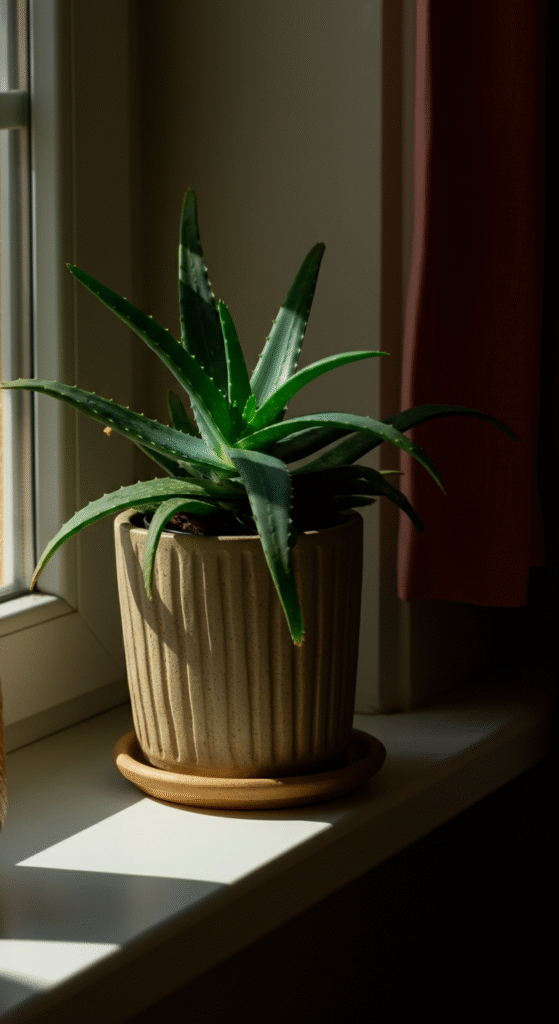
Aloe Vera is more than just a skincare superstar—it purifies indoor air and eliminates formaldehyde and benzene, chemicals commonly found in cleaning products and paints.
Fun Fact: Aloe Vera releases oxygen at night, making it a perfect bedroom companion for better sleep.
- Care Tip: Needs bright sunlight and minimal watering; overwatering can harm its roots.
- Myth Busting: Many believe Aloe Vera is purely medicinal. In reality, it’s a natural air cleaner too!
5. Boston Fern (Nephrolepis exaltata)
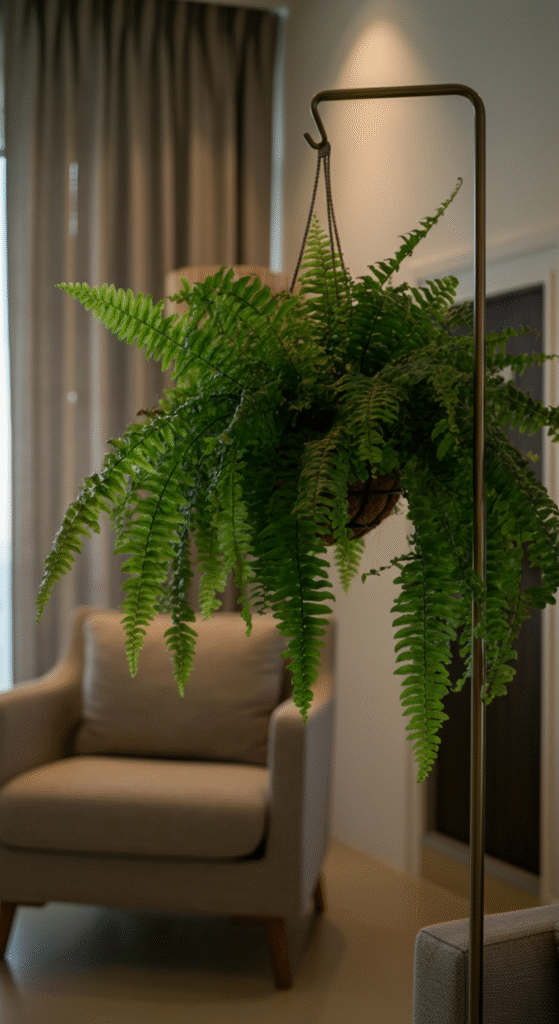
Boston Ferns are lush, green, and highly effective in removing indoor air pollutants like formaldehyde and xylene. They also add humidity, which can benefit respiratory health.
Do you know? Boston Ferns require consistent humidity and misting, which makes them ideal for bathrooms or kitchens with natural light.
- Care Tip: Keep the soil moist and provide indirect sunlight. They thrive in high-humidity environments.
- Interesting Fact: Boston Ferns have been used in Victorian homes for their air-purifying properties.
6. Rubber Plant (Ficus elastica)
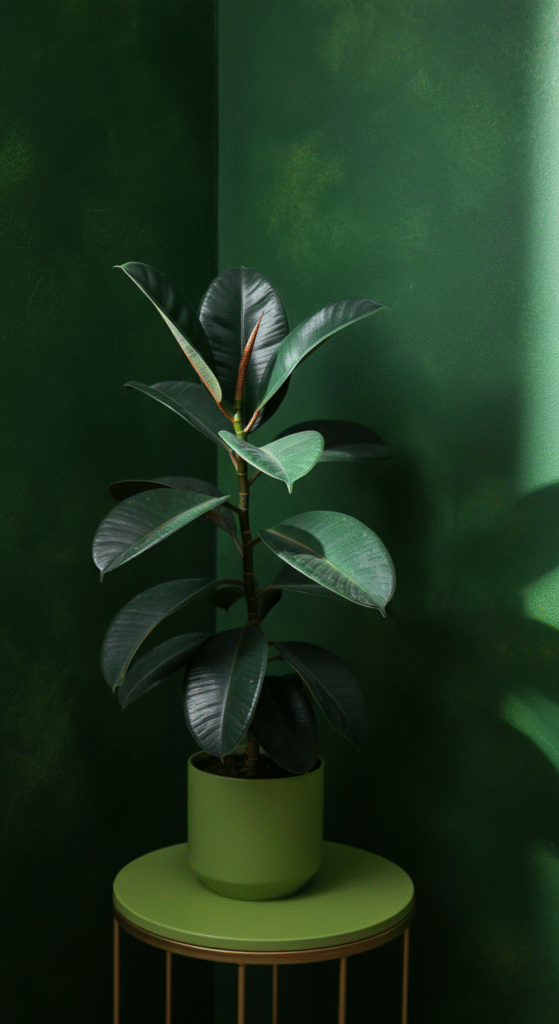
Rubber Plants are not only visually striking with their glossy, broad leaves, but they are also effective at removing pollutants like formaldehyde from indoor air.
- Care Tip: They thrive in bright, indirect light and require watering only when the top layer of soil dries.
- Fun Fact: The latex from Rubber Plants was historically used as a natural rubber source.
7. Bamboo Palm (Chamaedorea seifrizii)
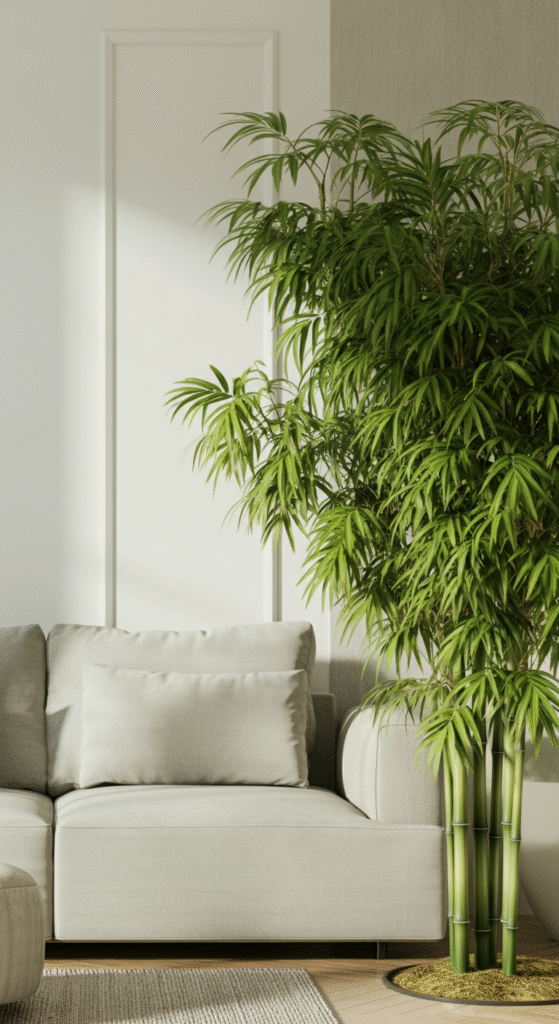
Bamboo Palm is a compact tropical plant that removes airborne toxins and adds moisture to dry air. Its elegant stalks and leafy fronds make it a versatile choice for modern living rooms.
Do you know? Bamboo Palm can also reduce indoor carbon dioxide levels, improving overall air quality.
- Care Tip: Prefers indirect light and regular watering to keep the soil slightly damp.
- Interesting Fact: The plant can grow up to 12 feet indoors under optimal conditions.
8. Spider Plant (Chlorophytum comosum)
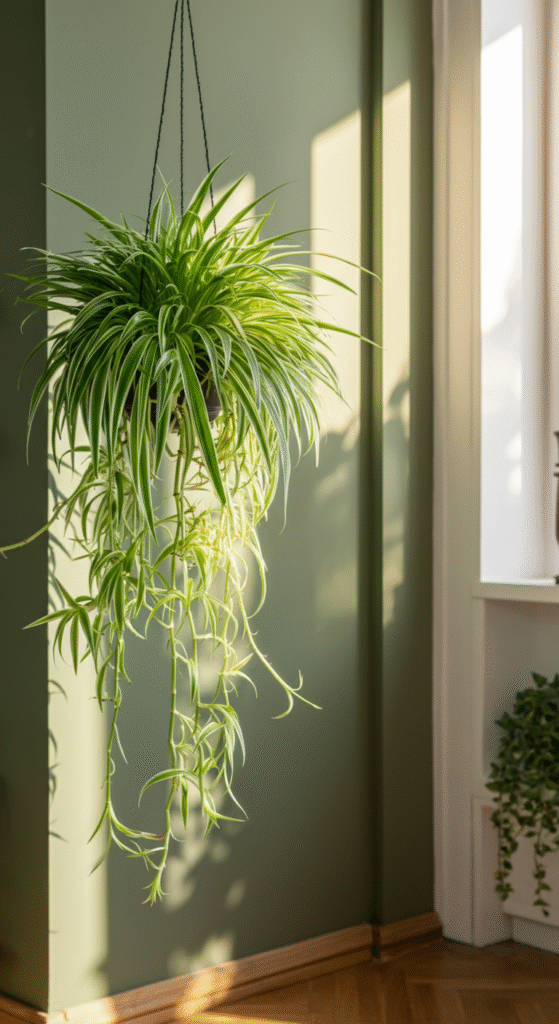
Spider Plants are resilient, low-maintenance, and efficient at eliminating toxins like carbon monoxide and formaldehyde. They are also excellent for hanging baskets or shelves.
- Care Tip: Tolerates low light but prefers bright, indirect sunlight; water moderately.
- Fun Fact: Spider Plants produce “pups” or baby plants, which can be replanted to create new greenery.
9. Lavender (Lavandula)
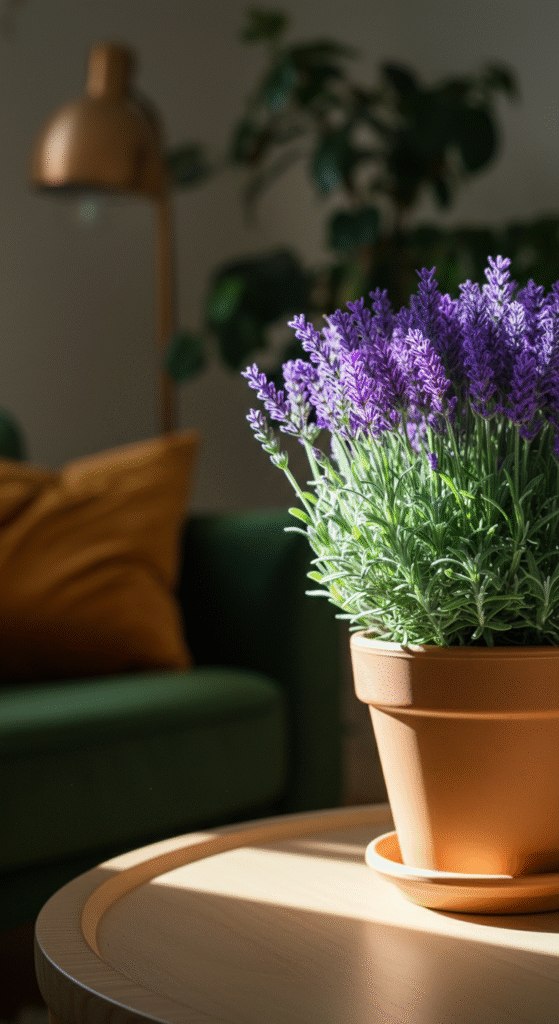
Lavender is famous for its soothing fragrance, but it also helps purify indoor air by releasing antimicrobial properties that reduce bacteria and pollutants.
Do you know? Lavender’s aroma has been shown to reduce stress and improve sleep quality, making it perfect for living rooms and bedrooms.
- Care Tip: Requires bright light and well-drained soil; avoid overwatering.
- Interesting Fact: Lavender has been used for centuries in traditional medicine for its calming effects.
10. Golden Pothos (Epipremnum aureum)
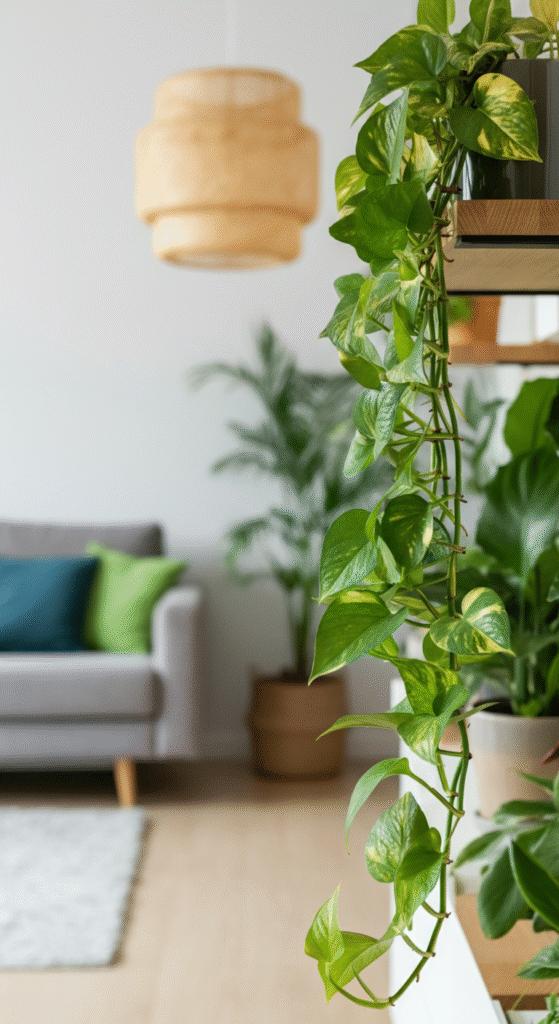
Golden Pothos, also called Devil’s Ivy, is one of the easiest air-purifying plants to maintain. It removes toxins such as formaldehyde, xylene, and benzene from the air.
- Care Tip: Thrives in low to moderate light; water when the top inch of soil is dry.
- Myth Busting: Despite its name, Devil’s Ivy is safe to touch, but pets should avoid ingestion.
11. Weeping Fig (Ficus benjamina)

Weeping Fig is a classic houseplant that can filter out pollutants such as formaldehyde, xylene, and toluene. Its graceful, drooping leaves make it a stylish addition to living rooms.
- Care Tip: Requires bright, indirect light and moderate watering. Avoid sudden changes in environment as it can shed leaves.
- Interesting Fact: The Weeping Fig can live for decades indoors with proper care, becoming a long-term air-purifying companion.
12. Gerbera Daisy (Gerbera jamesonii)
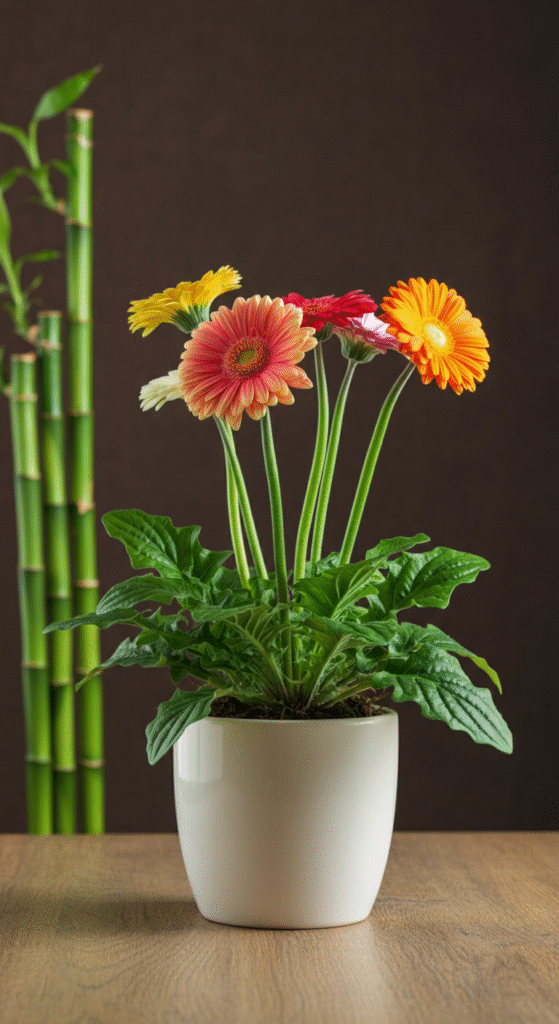
Gerbera Daisies are colorful and vibrant, and they are particularly effective at removing benzene from the air. Their blooms can brighten any living room while improving indoor air quality.
- Care Tip: Needs bright sunlight and well-draining soil. Water carefully to prevent root rot.
- Fun Fact: NASA’s studies on indoor plants ranked Gerbera Daisy as one of the top air-purifying flowers.
13. Dracaena (Dracaena marginata)
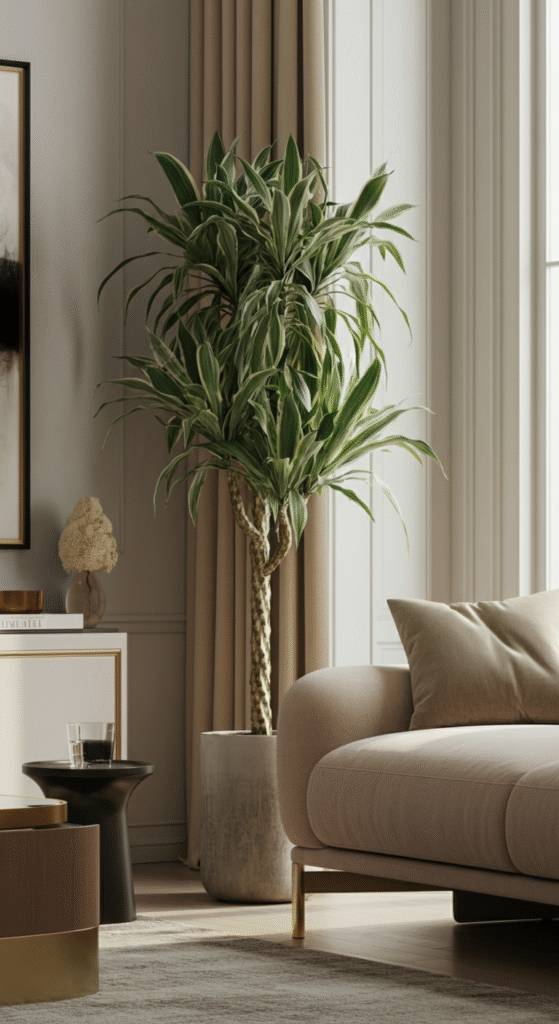
Dracaena is known for its long, slender leaves and dramatic appearance. It efficiently removes xylene, trichloroethylene, and formaldehyde from indoor spaces.
- Care Tip: Prefers bright, indirect light; water when the soil is dry to the touch.
- Interesting Fact: Dracaena is sometimes called the “Dragon Tree” due to its spiky leaves and dramatic form.
14. Chrysanthemum (Chrysanthemum morifolium)
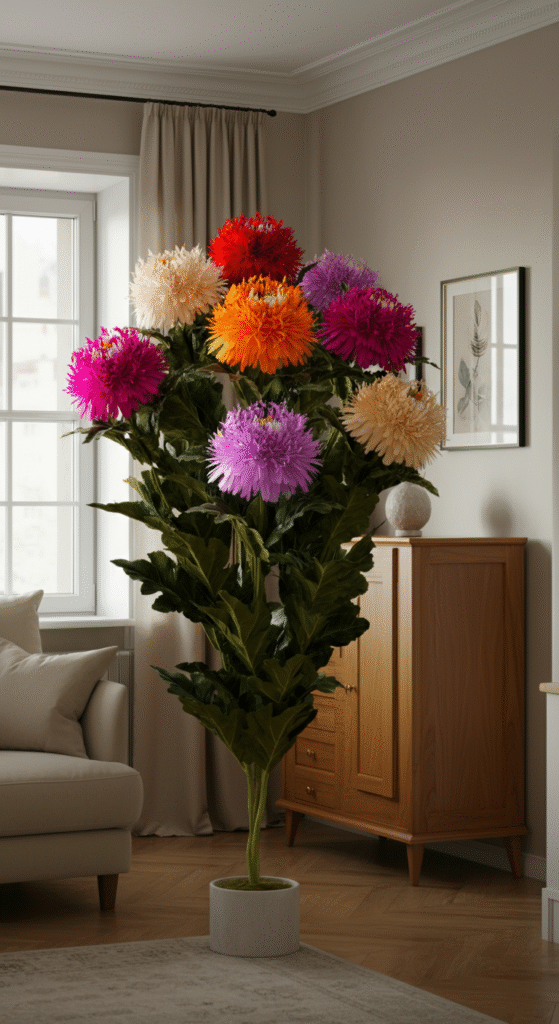
Chrysanthemums are not only ornamental but also strong air purifiers, eliminating ammonia, benzene, formaldehyde, and xylene from indoor environments.
- Care Tip: Needs plenty of sunlight and consistent watering; avoid overwatering.
- Do you know? Chrysanthemums were first cultivated in China over 2,500 years ago and were used in herbal remedies.
Conclusion
Incorporating these 14 living room plants that purify air into your home is a simple yet highly effective way to enhance indoor air quality, boost your mood, and add a touch of natural elegance.
From the hardy Snake Plant to the fragrant Lavender, each plant offers unique benefits while making your living space more vibrant and inviting.
While modern air purifiers are effective, nothing beats the natural charm and holistic health benefits of live plants. Whether you have a sunlit living room or a shaded corner, there’s a perfect plant on this list to suit your environment and lifestyle.
Start small, pick a few favorites, and gradually create your indoor green sanctuary. Over time, you’ll not only notice a fresher, cleaner home but also a calmer, more energized mind.
Frequently Asked Questions (FAQs)
Do indoor plants really purify the air?
Yes! Certain indoor plants absorb toxins like formaldehyde, benzene, and xylene through their leaves and roots, improving air quality naturally. NASA’s studies have confirmed that some houseplants are highly effective air purifiers.
Which plant is best for beginners?
Snake Plant, Spider Plant, and Golden Pothos are ideal for beginners. They are low-maintenance, tolerate low light, and can survive occasional neglect.
Can plants improve my health?
Absolutely! Air-purifying plants reduce indoor pollutants, increase humidity, and can improve respiratory health. Some plants, like Lavender, also reduce stress and promote better sleep.
How often should I water air-purifying plants?
It depends on the plant. For example, Snake Plants and Aloe Vera need minimal watering, while Boston Ferns and Areca Palms require consistent moisture. Always check the soil before watering.
Are these plants safe for pets?
Not all indoor plants are pet-friendly. For instance, Peace Lilies and Chrysanthemums are toxic if ingested. Spider Plants, Bamboo Palm, and Areca Palm are generally safe for cats and dogs. Always research plant safety if you have pets.