Some links in this blog are affiliate links. If you make a purchase through these links, I may receive a small commission. This helps support the site at no extra cost to you.
Walk into any beautifully designed home, and you’ll notice one thing: the living room walls never feel empty. Art has a way of transforming a plain space into something alive, telling stories and sparking conversations.
Interestingly, a study once revealed that humans process visual information 60,000 times faster than text—so the art you choose instantly influences how your guests feel the moment they enter your space.
Whether you lean toward bold modern pieces or subtle traditional charm, the right artwork has the power to elevate your living room from ordinary to extraordinary.
But with so many possibilities, where do you begin? This guide explores 13 stunning living room art ideas that not only add personality but also bring balance, depth, and intrigue to your most important gathering space.
Along the way, you’ll uncover surprising design myths and fun facts that might just change how you see your walls forever.
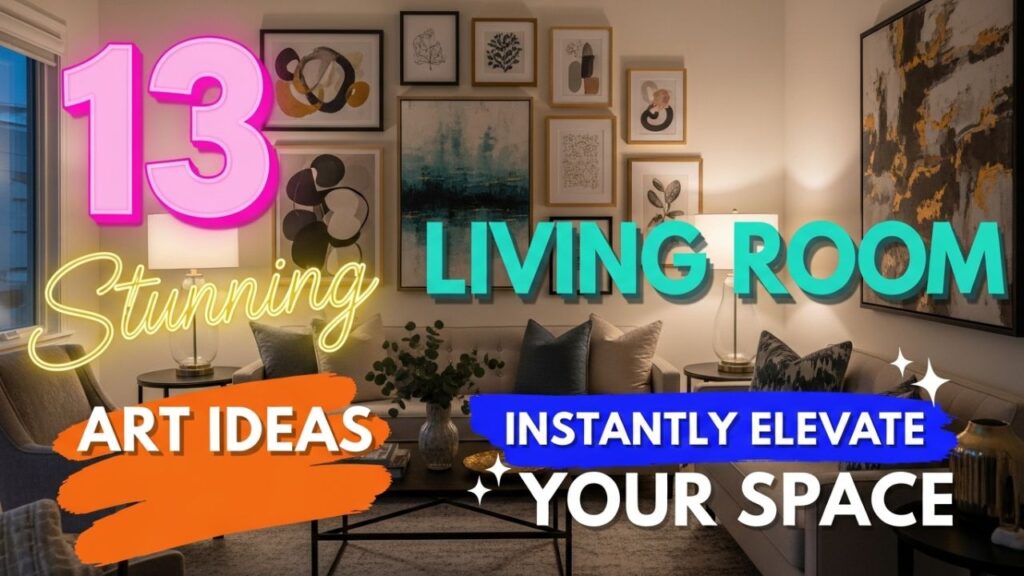
Table of Contents
13 Living Room Art Ideas To Do
1. Oversized Statement Pieces
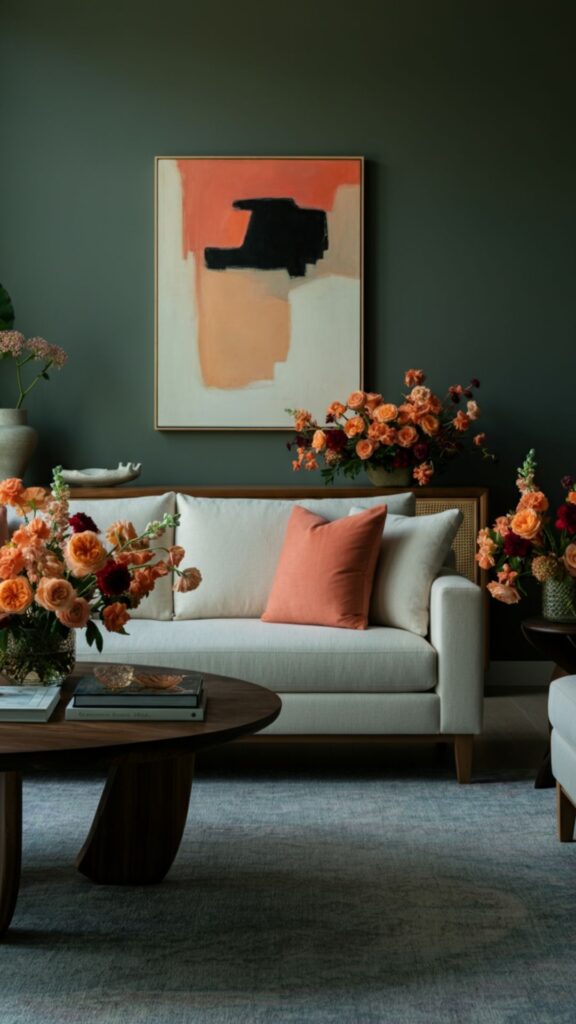
Sometimes, bigger really is better. An oversized painting, photograph, or abstract print can serve as the focal point of your living room. Instead of cluttering walls with multiple small frames, one large piece commands attention and creates a sense of grandeur.
Do you know? The Louvre’s “Mona Lisa” is only 30 x 20 inches, much smaller than most imagine, proving that not all masterpieces are grand in scale—but in a modern home, size can amplify drama and style.
2. Gallery Wall with Personality
Curated gallery walls remain a timeless trend. Mix and match frames, colors, and subjects to reflect your personality. From family portraits to vintage finds, a gallery wall tells your story in visual form. To avoid chaos, keep one element consistent, like frame color or spacing.
Interesting Fact: The concept of the gallery wall dates back to the French Salon exhibitions of the 17th century, where artists would cram paintings from floor to ceiling—what we now see as a chic, layered look.
3. Sculptural Wall Art
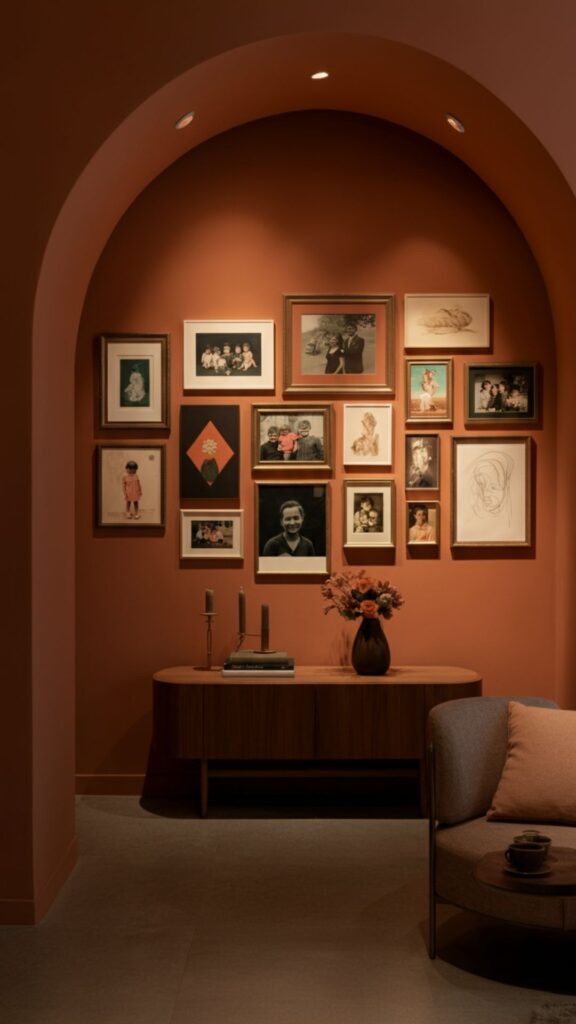
Who said art has to be flat? Metal sculptures, wooden carvings, or woven wall hangings bring dimension to your living room. Textural elements add warmth and make your space feel tactile and alive.
For minimalist spaces, geometric metal wall hangings can be striking. In cozier homes, handwoven macramé or rattan pieces add organic charm.
4. Floating Shelves with Rotating Art
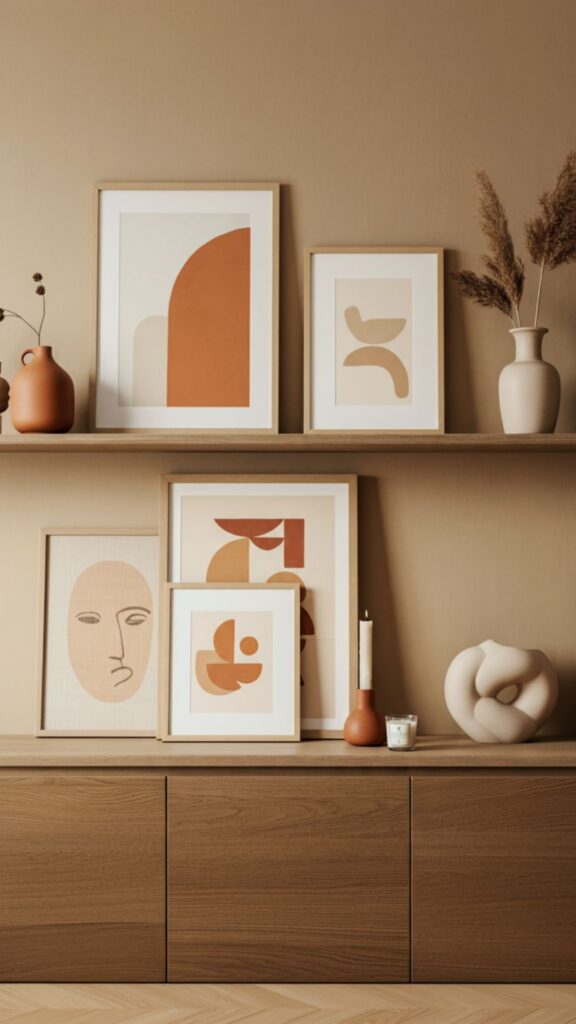
If you struggle with committing to one piece, floating shelves allow you to rotate art effortlessly. Lean framed prints, layer them, and occasionally swap them out to match seasons or moods.
This approach adds flexibility while giving a casual, lived-in feel. Plus, it’s perfect for renters who want style without hammering dozens of nails into the wall.
5. Black-and-White Photography
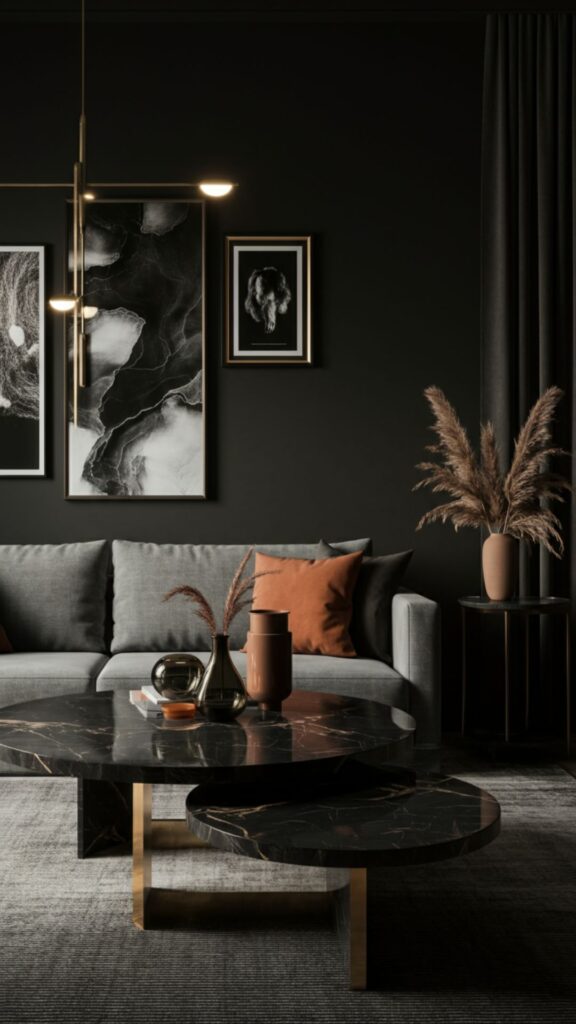
Few things feel as timeless as black-and-white photography. Whether it’s classic cityscapes, candid portraits, or nature-inspired shots, monochrome art exudes sophistication.
Myth Busted: Many people believe black-and-white photography lacks impact compared to colorful works. In reality, the absence of color emphasizes form, emotion, and composition—often creating a more powerful statement.
6. Large Mirrors as Functional Art
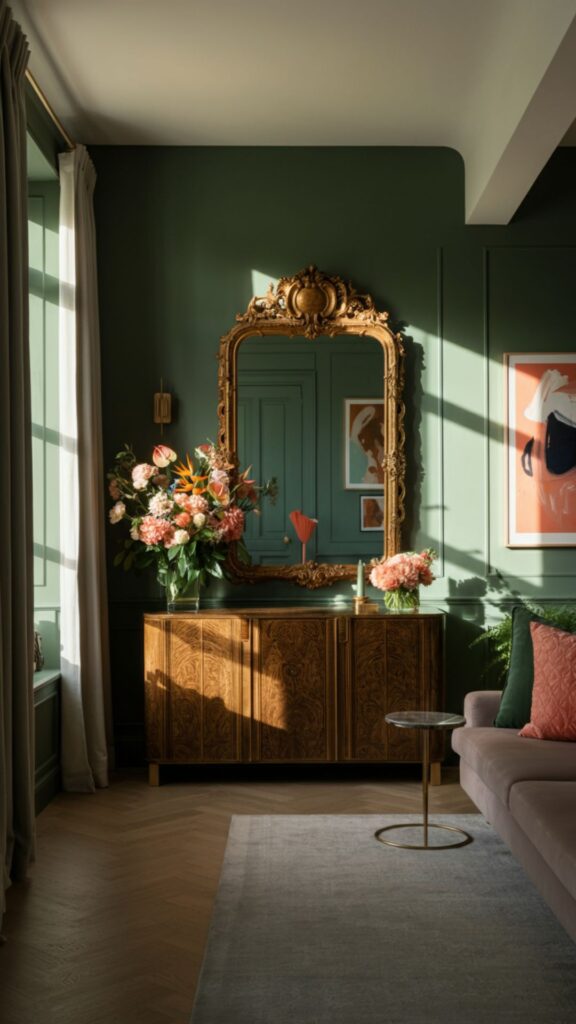
Mirrors are more than functional; they’re artistic elements that enhance light and space. Choose a mirror with an ornate frame for elegance or go frameless for sleek modernity. Positioning mirrors opposite windows can amplify natural light, instantly brightening your room.
Do you know? In ancient Rome, mirrors were considered luxury art objects, crafted from polished silver or bronze, often etched with intricate designs.
7. Nature-Inspired Prints
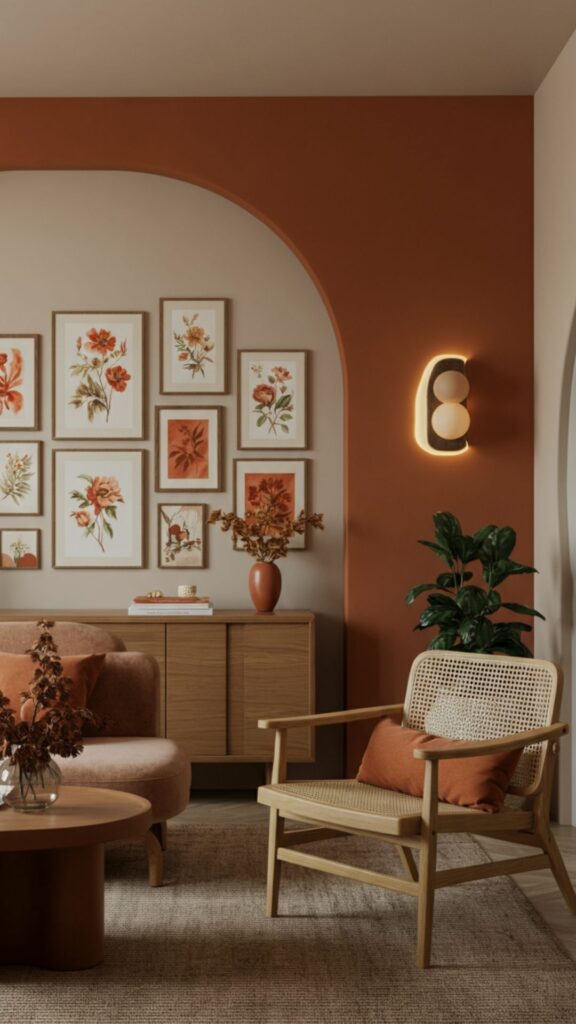
Botanical illustrations, landscapes, or watercolor florals can bring the outdoors in. This style not only adds color but also promotes calmness—a quality every living room benefits from.
Studies have shown that nature imagery can reduce stress and improve mood, making these prints not just decorative but also beneficial for your well-being.
8. Abstract Expression
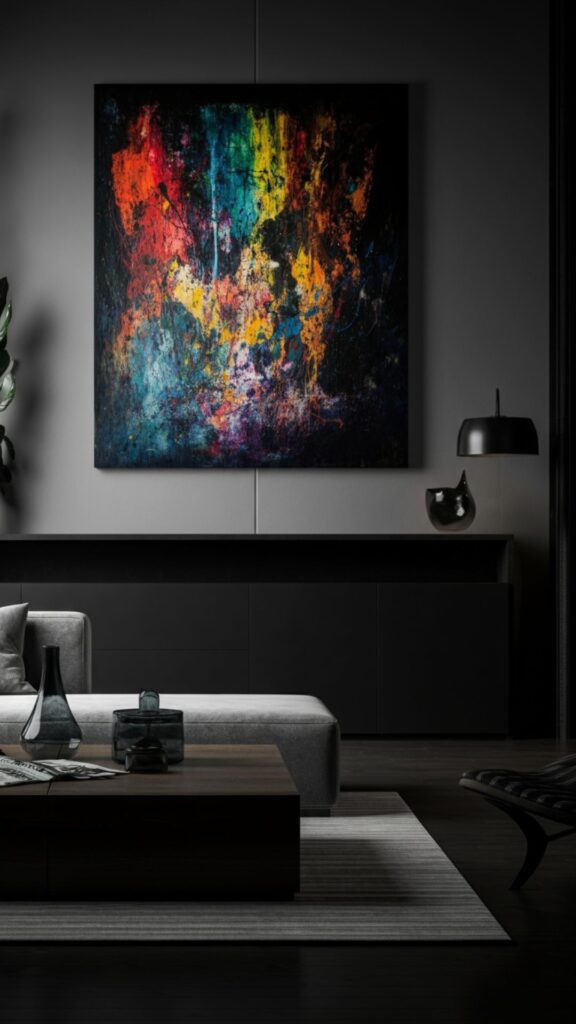
Abstract art thrives on emotion and interpretation. A bold canvas full of vibrant swirls, textures, or splashes of paint adds energy and movement to a room.
Interesting Fact: Abstract expressionism gained traction in the mid-20th century as artists like Jackson Pollock and Mark Rothko broke away from realism, focusing on emotion rather than representation. Bringing that energy into your living room means embracing freedom and individuality.
9. Cultural and Heritage Pieces
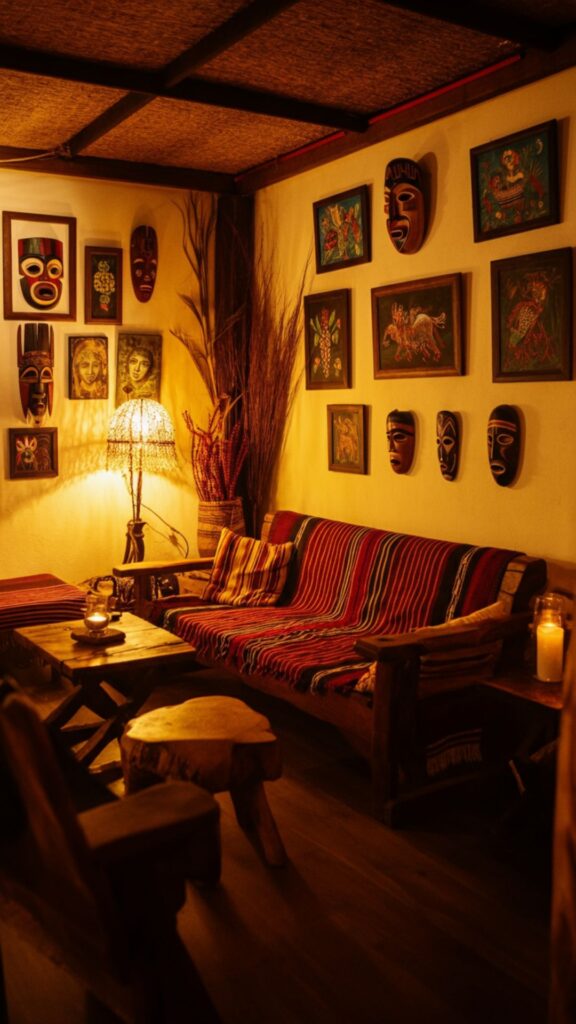
Display art that reflects your heritage or cultural background. Handcrafted textiles, indigenous art, or folk-inspired prints add authenticity and spark meaningful conversations with guests.
These pieces carry history and symbolism, making your living room a reflection not just of style but also of identity.
10. Text-Based Wall Art
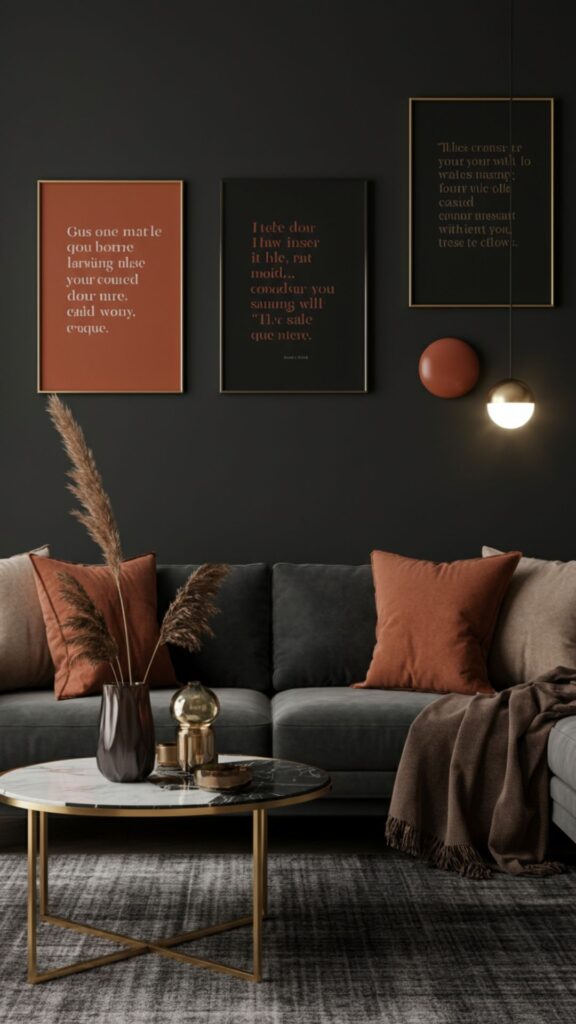
Words have power. Inspirational quotes, vintage typography, or bold single-word statements can bring focus to your living room. Whether handwritten calligraphy or neon signage, text art creates a mood and sets an intention for the space.
Do you know? Ancient civilizations used text as art long before canvases existed. Egyptian hieroglyphs and medieval illuminated manuscripts are early examples of words transcending mere communication to become visual masterpieces.
11. Seasonal Art Rotation
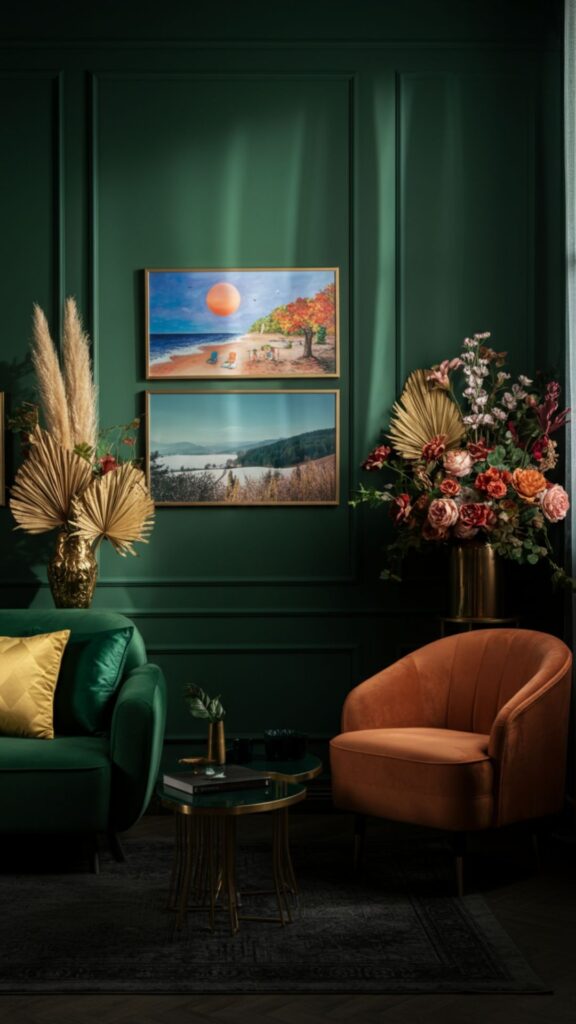
Why limit yourself to one aesthetic? Rotate your art with the seasons—cool blues and ocean scenes for summer, warm autumn landscapes in fall, or snowy mountain prints in winter.
This keeps your living room feeling fresh and responsive to the time of year, much like fashion or interior styling evolves with seasons.
12. Digital Art Frames
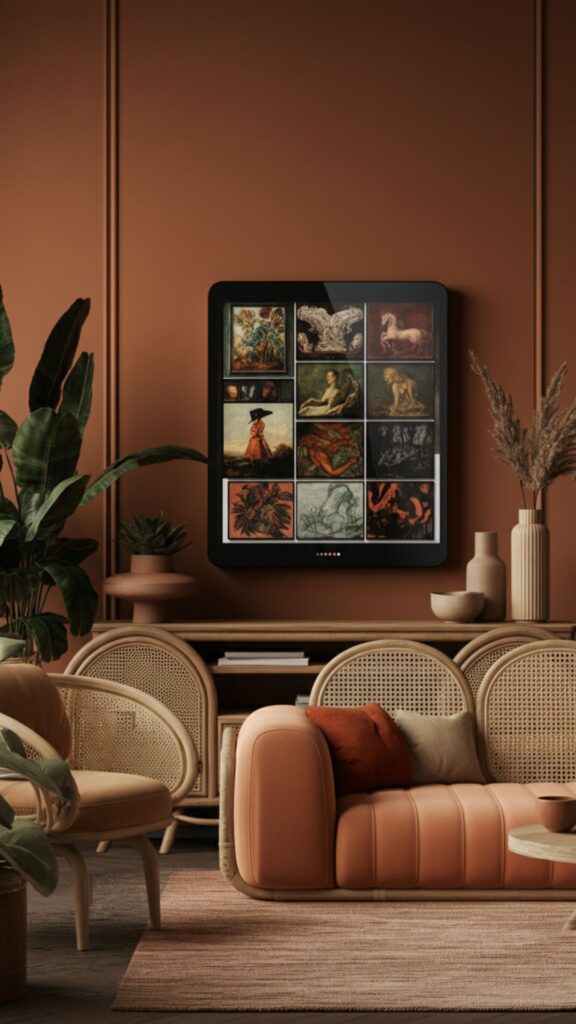
Technology meets tradition with digital art frames. These allow you to change the artwork displayed with just a click—perfect for anyone who loves variety without the clutter.
Interesting Fact: Digital art has skyrocketed in popularity, with NFTs (non-fungible tokens) making headlines in recent years. While NFTs remain controversial, digital displays in your home are a stylish nod to the growing intersection of art and technology.
13. DIY and Personal Creations
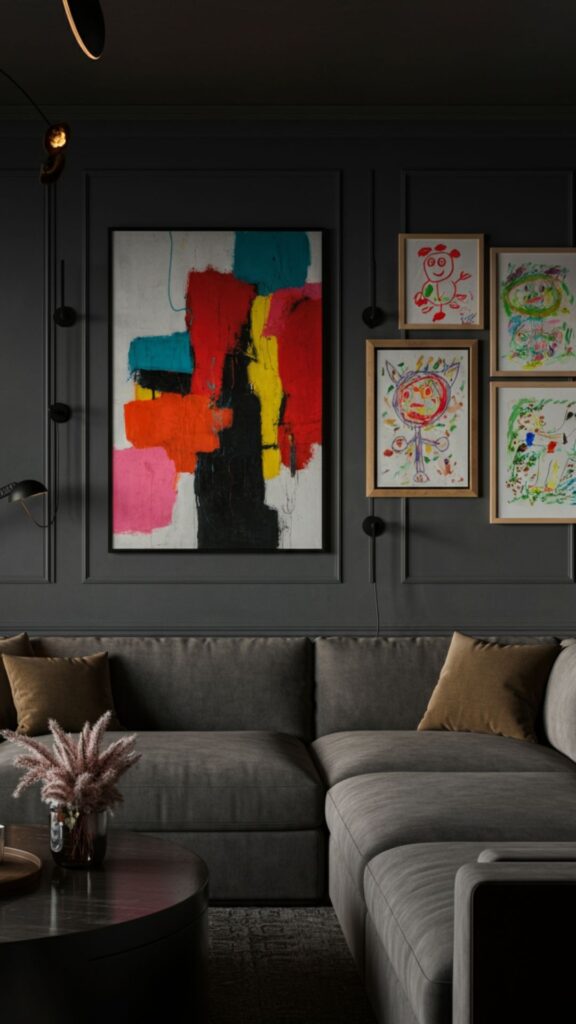
The most meaningful art often comes from your own hands. Whether you paint, photograph, or craft, displaying your work adds a personal touch. Even if you’re not an artist, collaborative family art projects make for memorable and unique displays.
Myth Busted: You don’t need to be “talented” to create art worth displaying. The beauty of personal work lies in its authenticity, not its technical perfection.
Conclusion
Art in the living room is far more than decoration—it’s an extension of who you are, what you love, and how you want others to feel in your space. From oversized canvases to personal DIY projects, each idea has the power to transform your walls into a reflection of personality and creativity.
Next time you step into your living room, ask yourself: What story do these walls tell? With the right art, the answer will always be captivating, inspiring, and uniquely yours.
Frequently Asked Questions (FAQs)
How do I choose the right size of art for my living room?
The size of your wall art should be proportionate to your wall and furniture. A general rule is that art above a sofa should be about two-thirds the width of the sofa. Oversized art can act as a focal point, while smaller pieces are better grouped together in a gallery wall.
Should living room art match my furniture?
Not necessarily. Art doesn’t need to “match” but should complement the overall color palette and style of your living room. Contrasting art can create drama, while subtle tones can maintain harmony.
How high should I hang living room art?
The standard rule is to hang artwork at eye level, which is usually about 57–60 inches from the floor to the center of the art. If it’s above furniture, leave 6–8 inches of space between the top of the furniture and the bottom of the art.
Is it okay to mix different art styles in one room?
Yes! Mixing styles—such as abstract with photography or modern with traditional—can create an eclectic and dynamic feel. The key is balance: unify your selections with consistent frame colors or spacing.
What type of art makes a small living room look bigger?
Mirrors, landscape photography, or light-toned abstract art can visually expand your space. Large-scale pieces also trick the eye into perceiving the room as more spacious than it is.