Some links in this blog are affiliate links. If you make a purchase through these links, I may receive a small commission. This helps support the site at no extra cost to you.
Ever wondered how to make a small bedroom feel like a personal sanctuary without sacrificing comfort or style? You’re not alone. Small spaces can often feel cramped or cluttered, but the key lies in creating a space that feels open, calm, and inviting.
The answer? Minimalism. Minimalist bedroom layouts aren’t just for those with fewer items—they’re perfect for anyone who wants to maximize space and create a serene environment. In this post, we’ll explore 11 cozy bedroom layouts that make the most of small spaces, proving that less truly can be more.
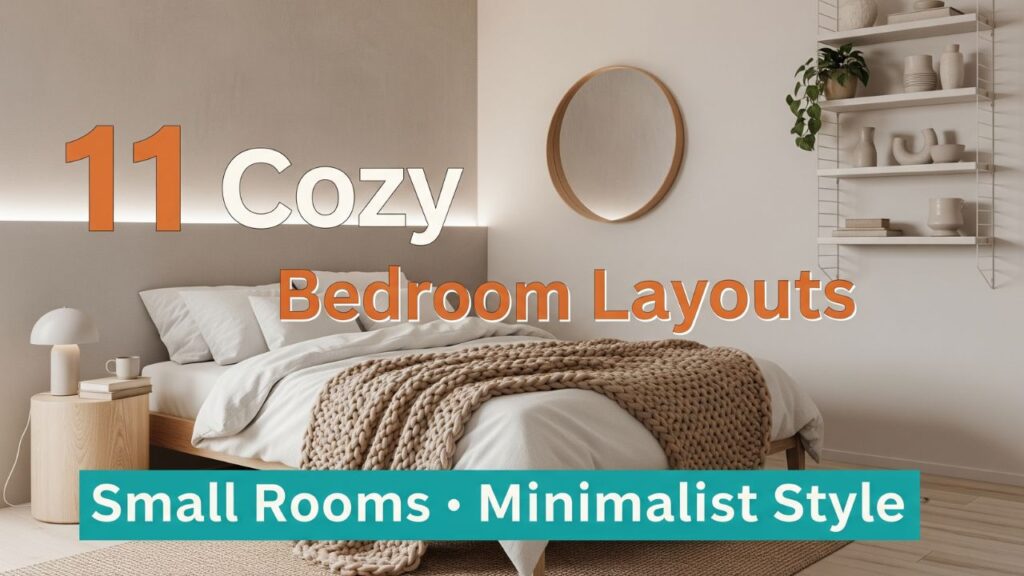
Table of Contents
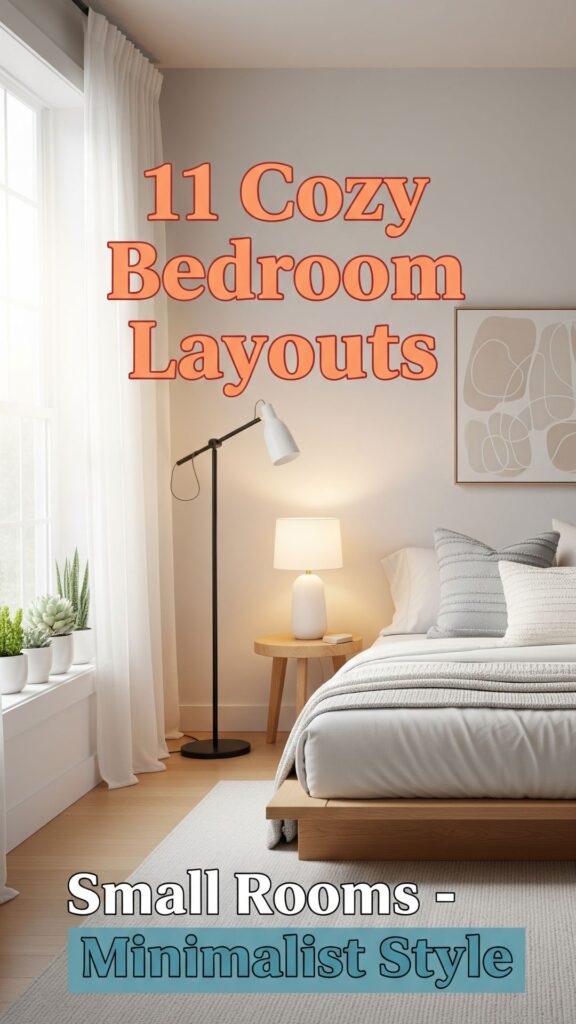
11 Cozy Bedroom Layouts for Small Rooms
1. The Corner Bed Layout
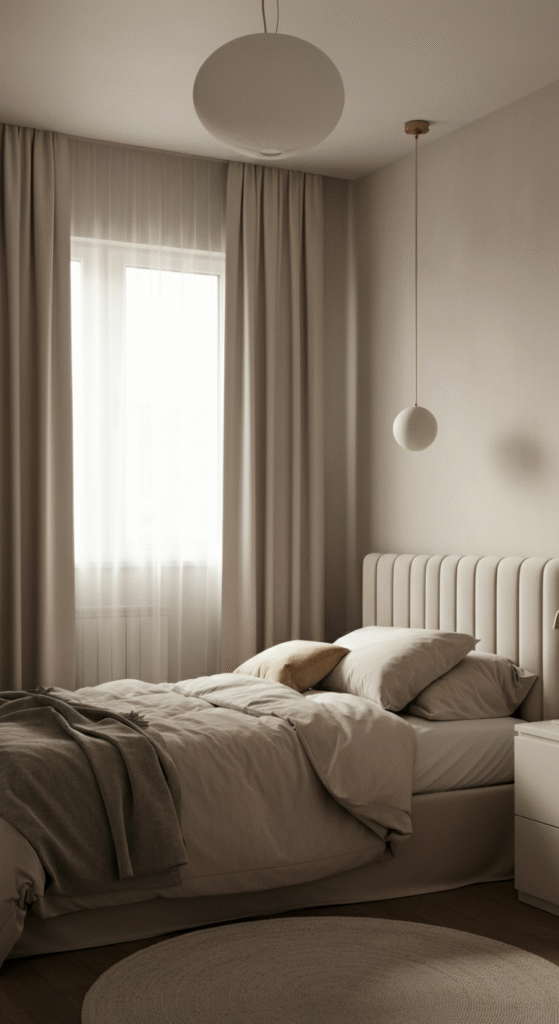
This minimalist layout focuses on utilizing one corner of the room for the bed. By placing the bed in a corner, you free up wall space, allowing the room to appear larger and more open. It’s a great way to make a small room feel cozy without overwhelming it with furniture.
Did you know? Corner layouts are ideal for rooms with windows, allowing natural light to flood in, which further enhances the feeling of space.
You can pair the bed with floating shelves on the adjacent walls to store small items like books or decor. This ensures the room doesn’t feel too crowded while still offering storage.
2. Platform Bed with Built-In Storage
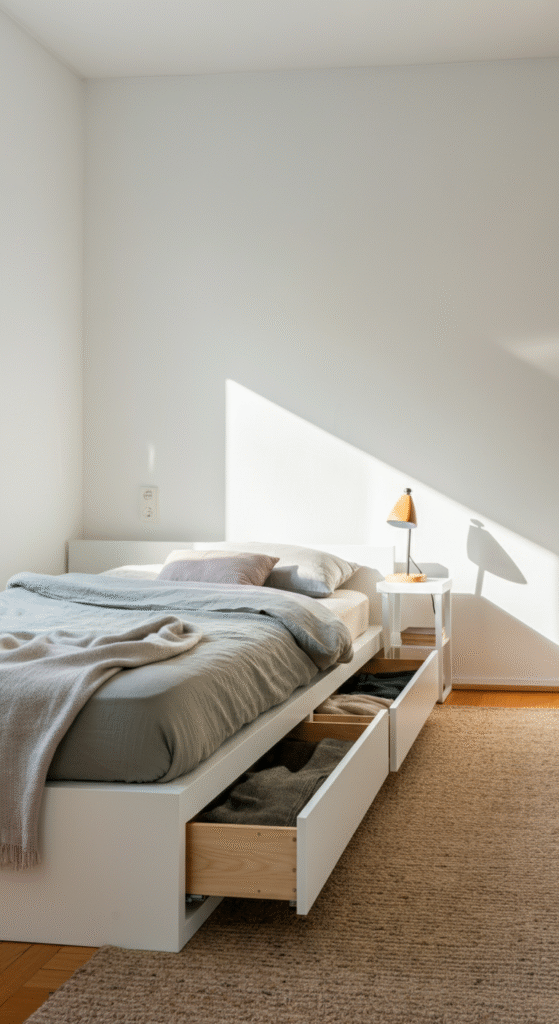
A platform bed with built-in storage is a game-changer for small bedrooms. This layout maximizes your room’s space by eliminating the need for a bulky dresser or wardrobe. The low profile of the platform bed enhances the minimalist aesthetic, while the hidden drawers underneath provide functional storage for clothes, bedding, or shoes.
Myth Busted: Some believe minimalist design means sacrificing storage, but with the right furniture pieces, you can actually add more storage space.
Pair your platform bed with light-colored walls to reflect more natural light and give the room a breezy, open feel. Adding some light, sheer curtains will help amplify this airy vibe.
3. Floating Bed with Wall-Mounted Nightstands

In minimalist design, every piece of furniture should serve a purpose. A floating bed that appears to “float” off the floor is an excellent way to visually open up space. Wall-mounted nightstands complete the look, keeping the floor area clear and unobstructed. This setup works especially well in rooms with limited floor space.
Interesting Fact: Floating furniture isn’t just for looks—it can also make cleaning a breeze! The space under the bed and nightstands allows you to sweep and mop more easily.
For added functionality, you can install wall-mounted lighting above the bed, which also frees up more surface area on your nightstands.
4. Symmetrical Layout with a Central Bed
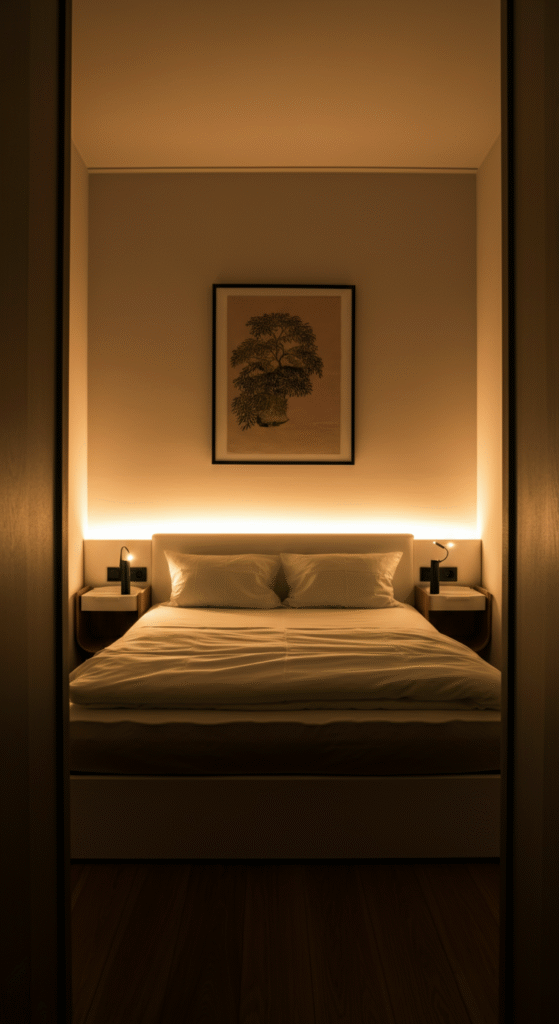
Symmetry brings balance, and balance brings tranquility. In this layout, the bed is placed centrally on one wall with equal space on either side. This gives the room a sense of calm and order, which is exactly what you want in a minimalist bedroom. Keep the design clean by limiting the number of furniture pieces and sticking to simple, neutral colors.
Do you know? Studies have shown that symmetrical designs can evoke feelings of comfort and safety, making them perfect for creating a peaceful bedroom environment.
With the central placement of the bed, you can add wall art or floating shelves on either side for a clean, balanced aesthetic.
5. Lofted Bed with Workspace Below
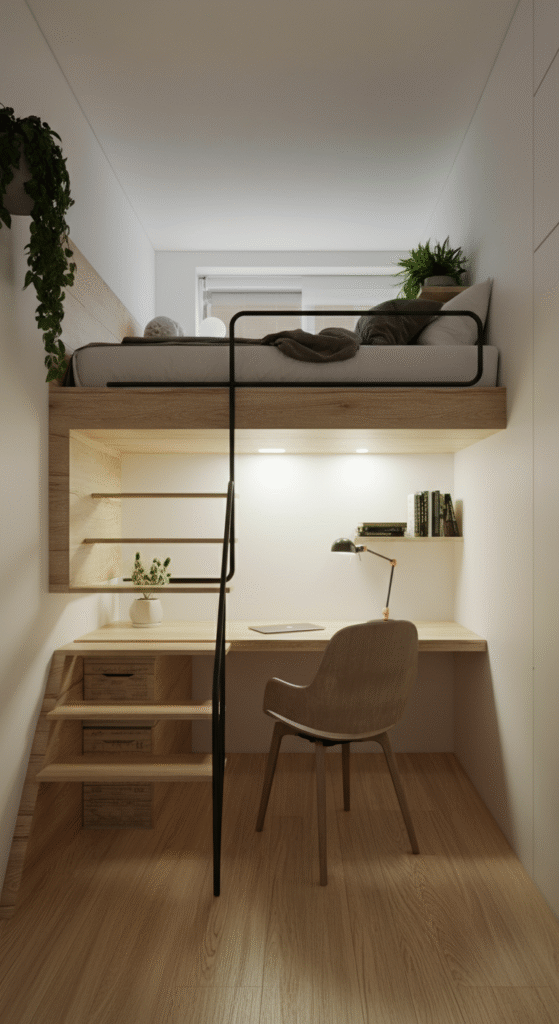
For those who need both a sleeping and working space, a lofted bed offers a practical solution. By raising the bed off the ground, you create space underneath that can be transformed into a small office or reading nook. This layout works particularly well for studio apartments or shared rooms, as it maximizes every inch of available space.
Myth: Minimalism doesn’t always mean fewer things; it’s about making smart choices. A lofted bed gives you both comfort and functionality, maximizing the use of your room without clutter.
Choose a minimalist desk and a comfortable chair for the workspace underneath. This ensures the space remains functional yet uncluttered, fitting seamlessly into your minimalist vision.
6. The Open Closet Layout
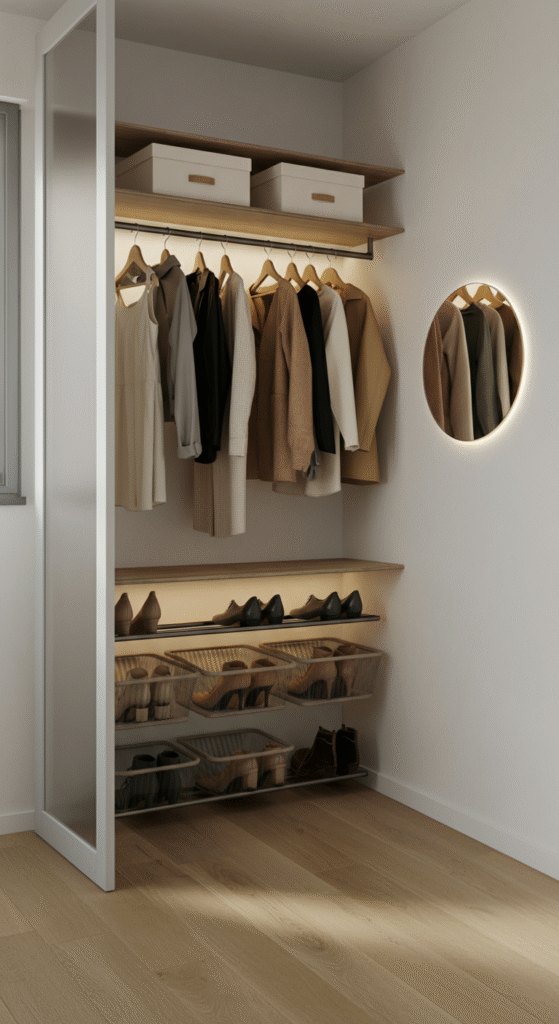
In small rooms, closet space can be a challenge. The open closet layout minimizes the visual bulk of traditional wardrobes by using open shelving or hanging racks for clothing. This layout works well for people who prefer easy access to their clothes and are looking to streamline their wardrobe.
Interesting Fact: Did you know that open closets are often seen in minimalist homes for the very reason that they showcase personal style and encourage careful selection of clothing?
You can complement this layout with a mirror that reflects light and gives the illusion of more space. Keep clothing organized with simple baskets or boxes, and limit items to the essentials.
7. Japanese-Inspired Tatami Room Layout
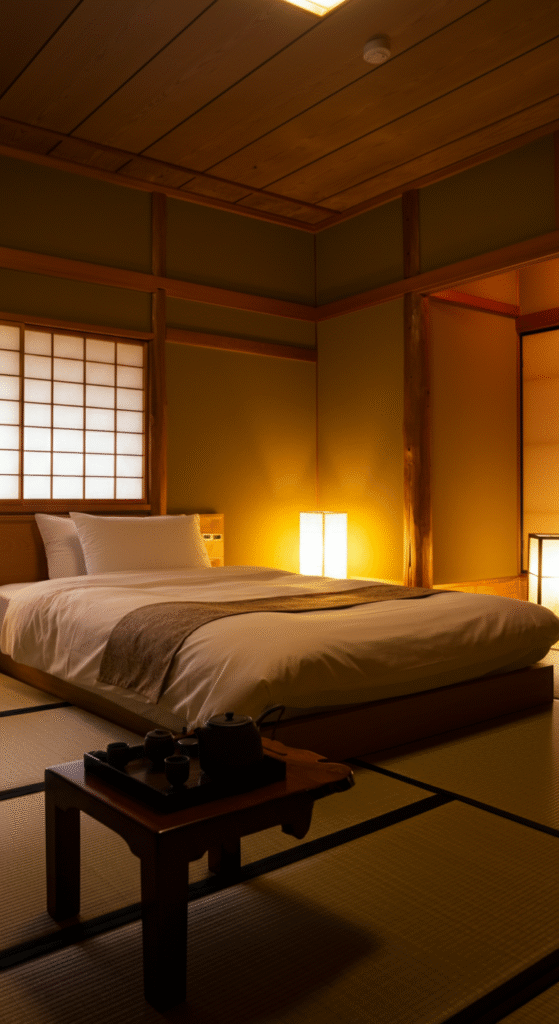
Inspired by traditional Japanese design, a tatami room layout uses low furniture and simple bedding. A tatami mat serves as the base for your bedding, while minimal, low-profile furniture like small wooden tables and simple storage solutions help keep the room uncluttered.
Myth: Minimalist style isn’t always cold and sterile—Japanese-inspired spaces often use natural materials, such as wood and linen, which add warmth and texture to the room.
This layout works especially well in rooms with low ceilings or for those who enjoy a serene, meditative atmosphere. It’s simple yet elegant and ideal for fostering relaxation.
8. Vertical Storage and Bunk Bed Combo
For small rooms shared by multiple people, vertical storage combined with bunk beds can be a lifesaver. Bunk beds free up valuable floor space, while vertical storage options like tall, narrow bookshelves or cabinets keep everything organized without crowding the room.
Did you know? Many Scandinavian minimalist designers prefer vertical storage in small spaces as it keeps the floor area free for movement and activities.
Bunk beds don’t have to be bulky. Opt for sleek designs with metal frames or light wood finishes to maintain a light, open feel. Add functional storage in the form of under-bed drawers or shelves.
9. Scandinavian-Inspired Neutral Palette
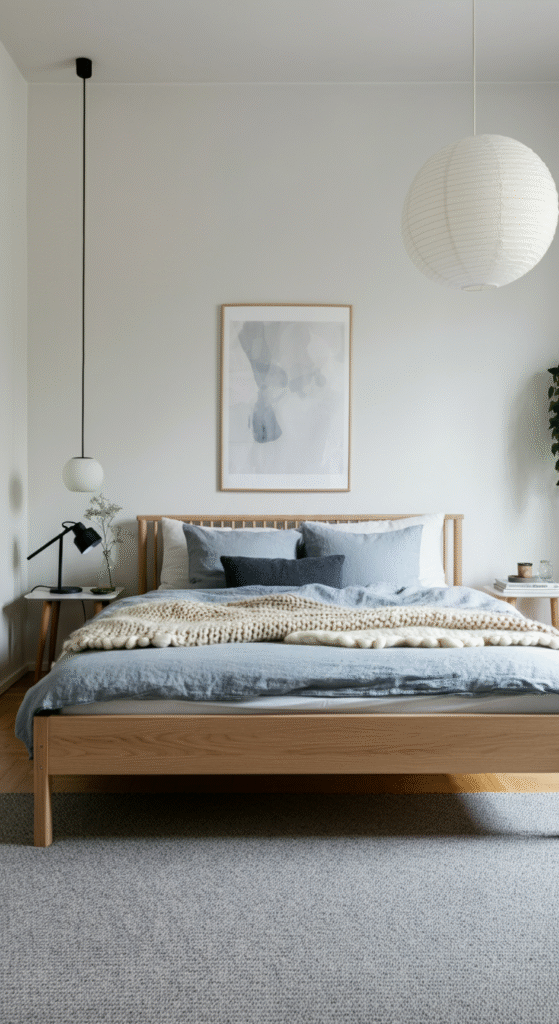
A Scandinavian-inspired layout uses simple lines, neutral tones, and functional furniture to create a cozy, minimalist bedroom. The bed can be placed along one wall with ample space around it for easy flow. Incorporate natural textures like linen or wool for an inviting yet minimalist aesthetic.
Interesting Fact: Scandinavian design focuses on “hygge,” the Danish concept of coziness. It’s all about creating a welcoming, comfortable space, even in minimalist environments.
Opt for simple lighting, a few key decor items like plants or a minimalist lamp, and keep the design streamlined. A neutral color palette of whites, grays, and soft greens can open up the room and make it feel calm and spacious.
10. Murphy Bed with Fold-Down Desk
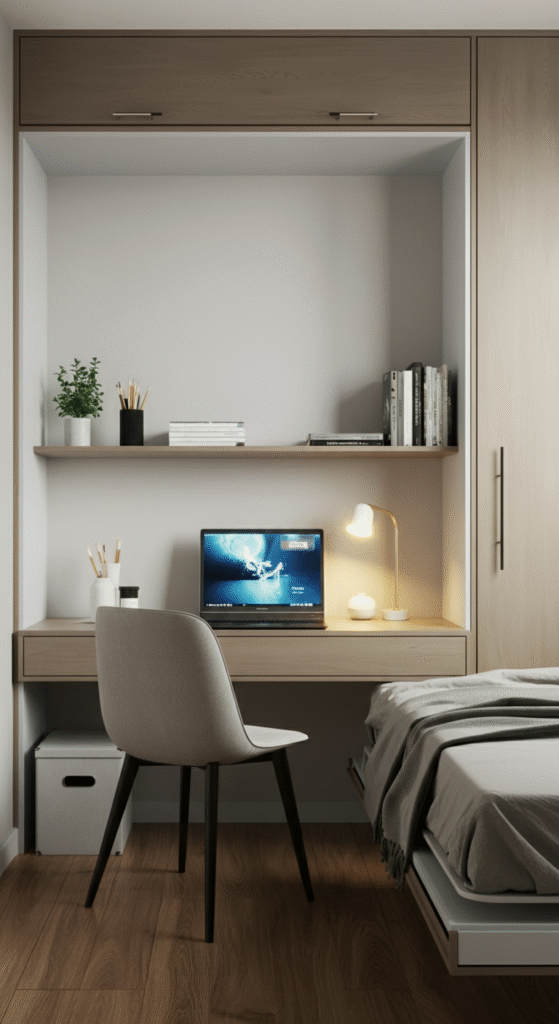
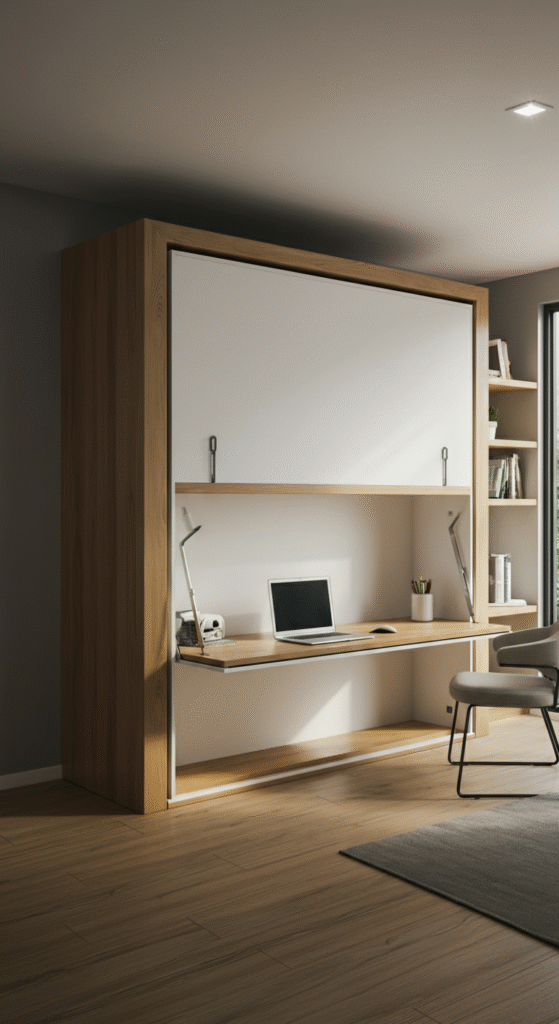
A Murphy bed that folds up into the wall when not in use can be an excellent space-saver for small bedrooms. When the bed is folded up, the space underneath can be utilized for a fold-down desk or a compact seating area.
Myth Busted: Murphy beds are not just for cramped studio apartments—they’re a versatile solution for anyone looking to maximize space without sacrificing style.
This setup allows for a multifunctional bedroom that works well in multi-purpose spaces. Keep the design minimal with sleek, modern furniture to maintain an uncluttered feel.
11. L-Shaped Bed Layout
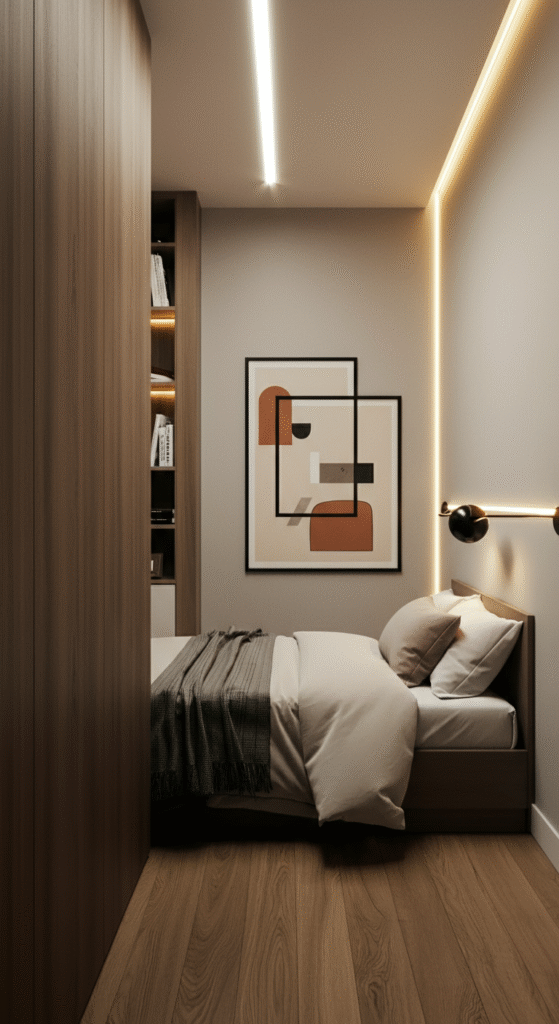
The L-shaped bed layout works particularly well in long, narrow rooms. By placing the bed in an L shape, you can use the adjacent walls for storage or other furniture without crowding the center of the room. This layout creates a cozy, yet spacious feel that makes the most of the room’s shape.
Did you know? The L-shaped layout is often used in minimalist designs because it naturally divides the room into functional zones, giving the space more structure without overcrowding.
Keep the design simple with floating shelves or a single piece of large artwork to keep the room feeling open and balanced.
Conclusion
Creating a minimalist bedroom in a small space is all about choosing the right layout and furniture that works with the room’s natural flow.
Whether it’s floating furniture, platform beds, or creative storage solutions, the goal is to maximize functionality while maintaining a clean, open feel. With these 11 cozy bedroom layouts, you can transform even the smallest of rooms into a peaceful retreat that feels expansive and effortlessly stylish.
Remember, minimalist design doesn’t mean sacrificing comfort—it’s about creating an environment that nurtures relaxation and calm, all while making the most of the space you have.
Frequently Asked Questions (FAQs)
How do I make a small bedroom feel larger?
To make a small bedroom feel larger, use light colors, floating furniture, and minimalist designs that allow for open space. Avoid clutter and choose furniture with built-in storage.
What is the best layout for a small room?
A corner bed layout, platform bed with storage, or floating furniture are great options to maximize space in a small room while keeping it cozy and functional.
Can I have a minimalist bedroom with lots of storage?
Yes! Minimalism focuses on smart storage solutions. Use furniture like platform beds with built-in storage or vertical shelving to keep your room organized without clutter.
How can I incorporate my personality into a minimalist bedroom?
Add personal touches with a few carefully selected decor items such as plants, art, or a unique lamp, but keep the overall design simple to maintain the minimalist vibe.
Can minimalist designs work in shared bedrooms?
Absolutely! Layouts like bunk beds or lofted beds with functional storage can help maximize space and keep the room organized in shared living situations.