Some links in this blog are affiliate links. If you make a purchase through these links, I may receive a small commission. This helps support the site at no extra cost to you.
Walking into a well-stocked kitchen feels like entering a studio where anything is possible. But you don’t need a thousand gadgets to cook like a pro. In fact, most professional chefs rely on a core set of high-quality tools that do the heavy lifting for almost every meal. Whether you are just learning to chop an onion or you’re already perfecting your soufflé, having the right equipment makes cooking faster, safer, and infinitely more enjoyable.

This guide breaks down the ten absolute non-negotiables for a functional kitchen. We’ve also included shopping links to help you find exactly what you need to upgrade your culinary game instantly.
1. The Chef’s Knife
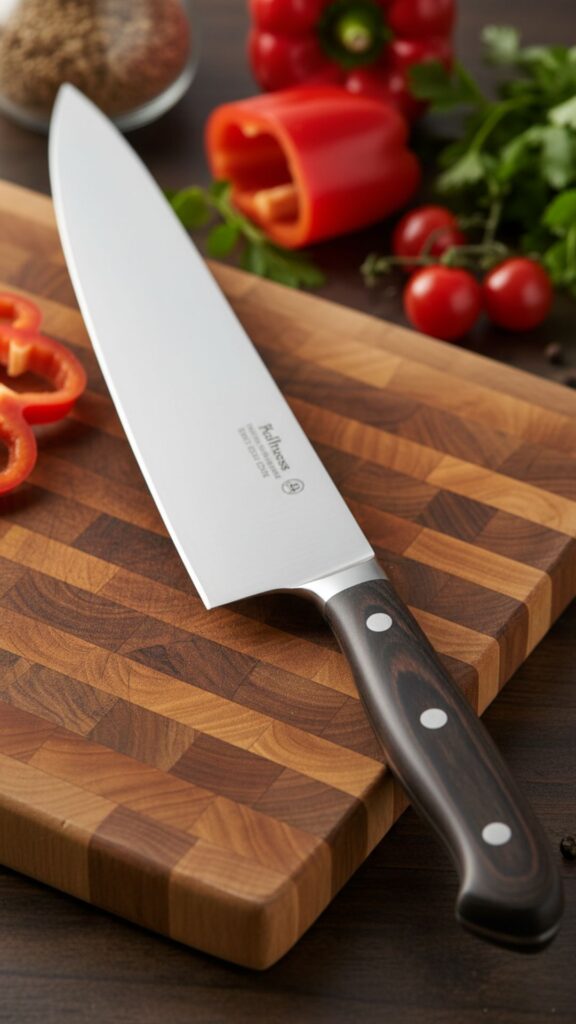
This is the extension of your hand. A dull or poorly balanced knife makes cooking a chore and is actually more dangerous than a sharp one. You need an 8-inch chef’s knife that feels comfortable to hold and rocks smoothly on the cutting board.
How To Get The Look:
- Look for a full tang (metal extends through the handle) for balance.
- Choose high-carbon stainless steel for durability.
- Keep it honed regularly.
Shopping List
- 8 inch chef knife
- Professional kitchen knife
- German steel knife
- Japanese chef knife
- Ergonomic handle knife
- Knife sharpening steel
- Knife block set
- Blade guard
- Damascus steel knife
- Forged chef knife
2. Cast Iron Skillet
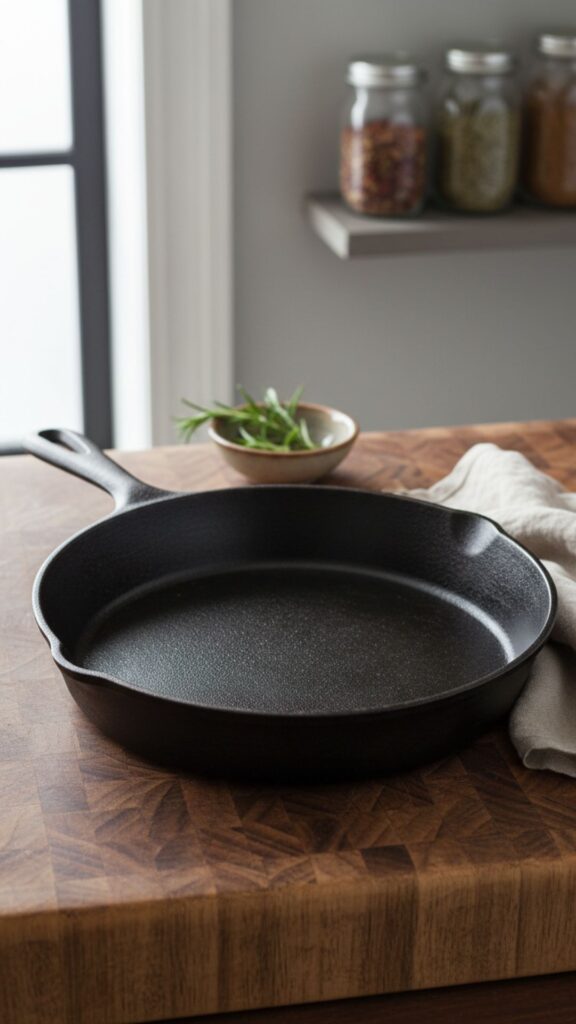
The workhorse of the kitchen. It goes from stovetop to oven seamlessly, searing steaks beautifully and baking unmatched cornbread. It’s virtually indestructible and gets better with age.
How To Get The Look:
- Start with a 10-inch or 12-inch skillet.
- Look for “pre-seasoned” to start cooking immediately.
- Avoid soap; clean with hot water and a stiff brush.
Shopping List
- 10 inch cast iron skillet
- 12 inch cast iron pan
- Pre seasoned skillet
- Cast iron cleaner chainmail
- Silicone handle holder
- Lodge cast iron
- Cast iron lid
- Deep skillet
- Cast iron grill pan
- Enameled cast iron skillet
3. Heavy-Duty Cutting Board
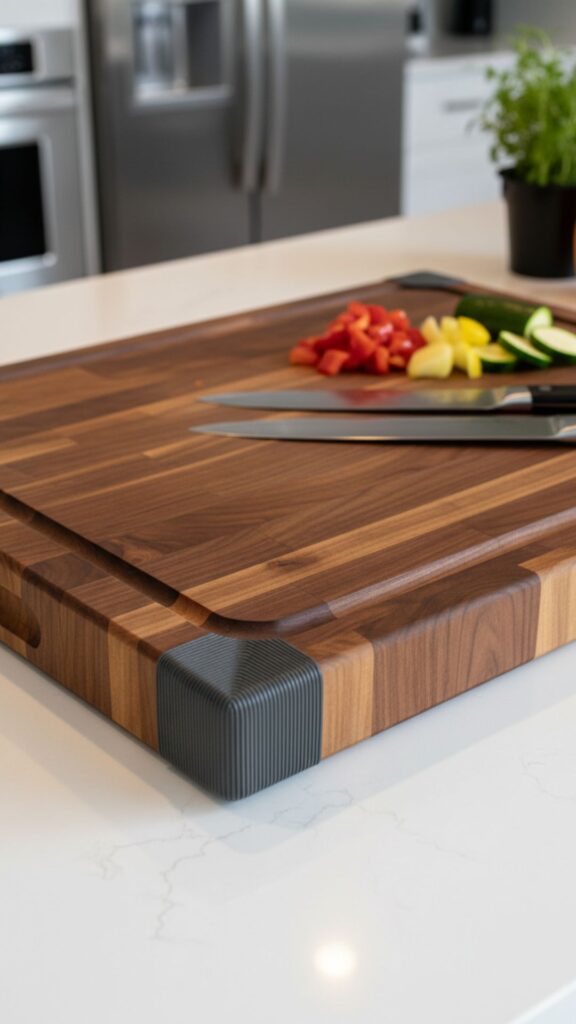
A flimsy board that slips around is a hazard. You need a solid surface that protects your countertops and your knife blades. Wood is classic and antimicrobial, while heavy plastic is dishwasher safe.
How To Get The Look:
- Opt for a large surface area (at least 12×18 inches).
- Look for non-slip grips or place a damp towel underneath.
- Choose end-grain wood for knife longevity.
Shopping List
- Large wooden cutting board
- Bamboo cutting board
- Non slip cutting board
- Plastic carving board
- End grain butcher block
- Cutting board oil
- Flexible cutting mats
- Extra large chopping block
- Dishwasher safe cutting board
- Teak cutting board
4. Stainless Steel Mixing Bowls
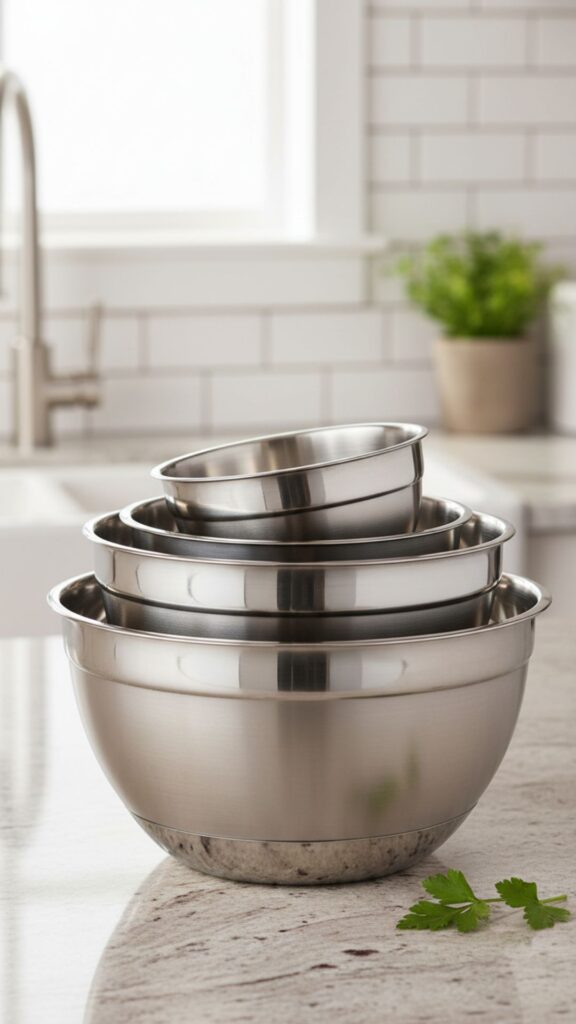
From tossing salads to marinating meat or proofing dough, you need a set of nested bowls. Stainless steel is lightweight, durable, and won’t retain odors like plastic can.
How To Get The Look:
- Get a set of varying sizes (small, medium, large).
- Look for wide rims for easier gripping.
- Flat bases provide stability during vigorous whisking.
Shopping List
- Stainless steel mixing bowls set
- Nesting bowls with lids
- Non slip mixing bowls
- Metal prep bowls
- Large salad bowl
- Mixing bowls with grater
- Deep mixing bowl
- Kitchen bowl set
- Copper mixing bowls
- Stackable mixing bowls
5. Silicone Spatula
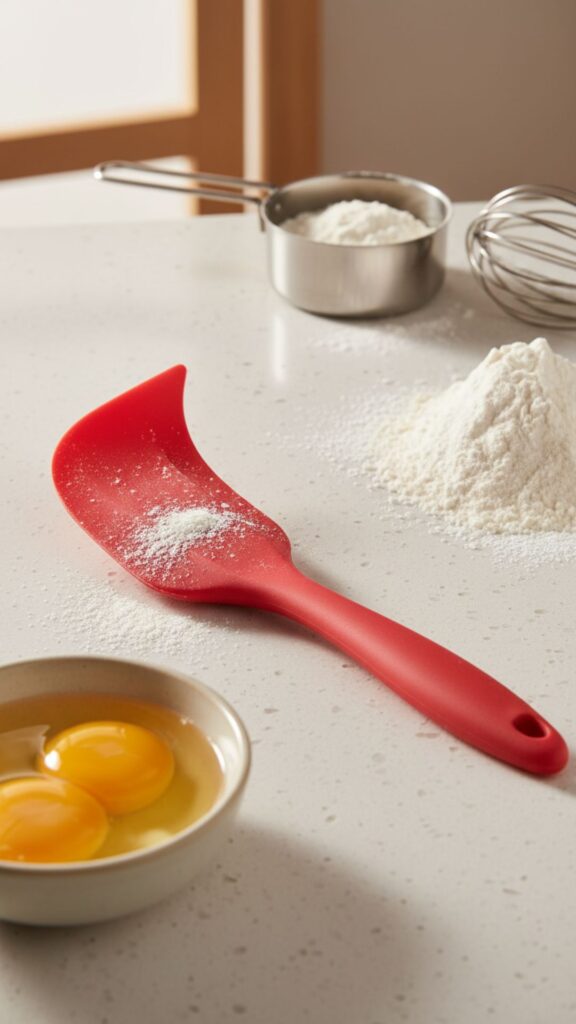
Unlike wooden spoons, a silicone spatula scrapes every last drop of batter from the bowl. It’s heat-resistant, meaning you can use it to scramble eggs or stir sauces without it melting.
How To Get The Look:
- Look for “seamless” one-piece designs to avoid food trapping.
- Ensure it is heat resistant up to at least 450°F.
- Get a variety of sizes (one small, one large).
Shopping List
- Heat resistant silicone spatula
- Seamless rubber spatula
- Spatula set for baking
- Jar scraper spatula
- Mini silicone spatula
- Spoonula
- High temp spatula
- Offset spatula
- Colorful spatula set
- BPA free spatula
6. Measuring Cups and Spoons
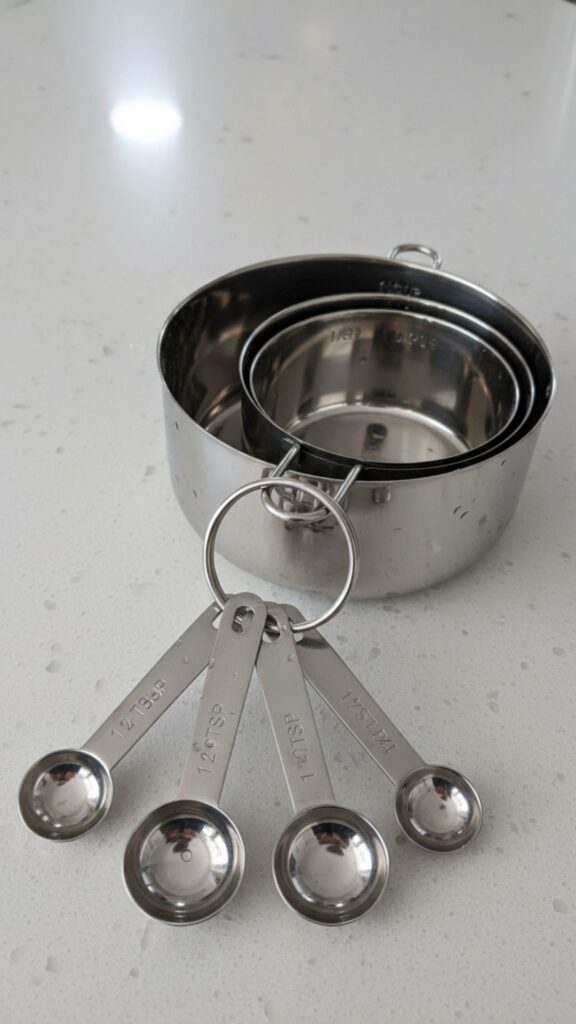
Baking is a science, and precision matters. A reliable set of measuring tools ensures your cookies don’t turn into rocks.
How To Get The Look:
- Choose stainless steel so the markings don’t rub off.
- Look for a ring that keeps them together.
- Ensure the cups have flat bottoms to sit on the counter.
Shopping List
- Stainless steel measuring cups
- Magnetic measuring spoons
- Glass measuring cup liquid
- Pyrex measuring cup
- Measuring spoons set
- Engraved measuring cups
- Collapsible measuring cups
- Narrow measuring spoons
- Heavy duty measuring set
- Angled measuring cup
7. Locking Tongs
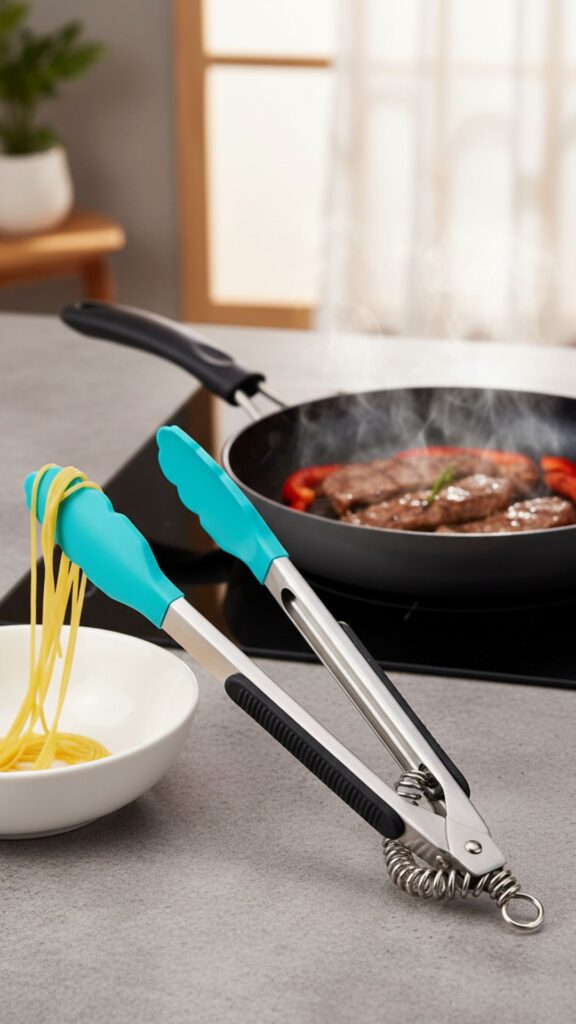
Tongs are like fire-proof hands. Use them to flip meat, toss pasta, or grab hot items out of boiling water. The locking mechanism is crucial for storage.
How To Get The Look:
- Choose stainless steel with silicone tips for non-stick pans.
- Look for a sturdy spring mechanism.
- 9-inch and 12-inch lengths cover most needs.
Shopping List
- Kitchen tongs silicone tips
- Stainless steel locking tongs
- Grilling tongs
- Small serving tongs
- Long handle tongs
- Metal kitchen tongs
- Tongs set of 2
- Non stick tongs
- Scissor tongs
- Heavy duty tongs
8. Instant-Read Thermometer
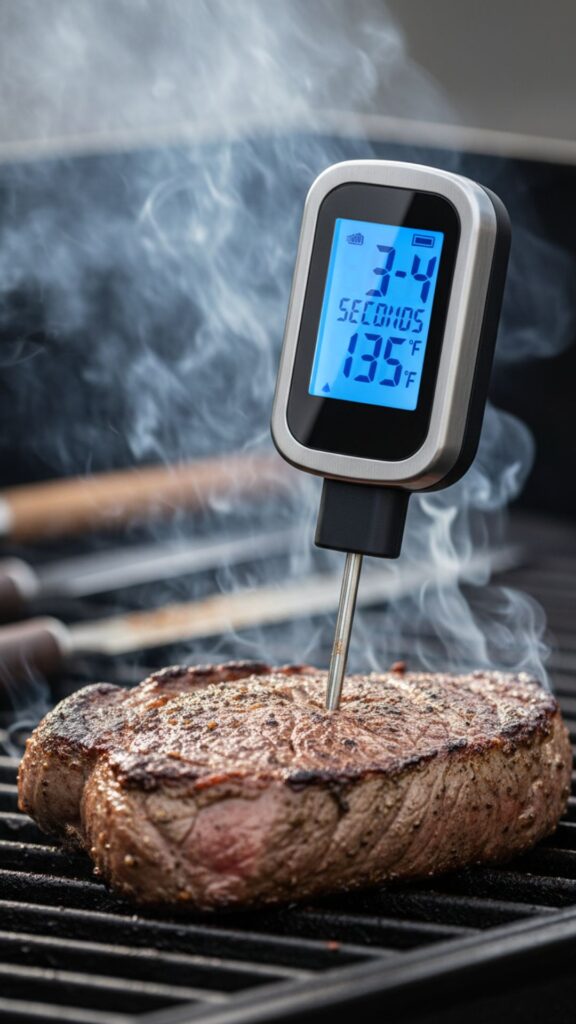
Stop guessing if the chicken is done. A thermometer is the only way to ensure food safety and prevent dry, overcooked meat. It takes the anxiety out of roasting.
How To Get The Look:
- Look for a digital display with a backlight.
- Ensure it reads temperature in under 3-4 seconds.
- Waterproof models are easier to clean.
Shopping List
- Digital meat thermometer
- Instant read food thermometer
- Waterproof kitchen thermometer
- Candy thermometer
- Oven safe thermometer
- Bluetooth meat thermometer
- Wireless food thermometer
- Folding probe thermometer
- Deep fry thermometer
- BBQ thermometer
9. Box Grater
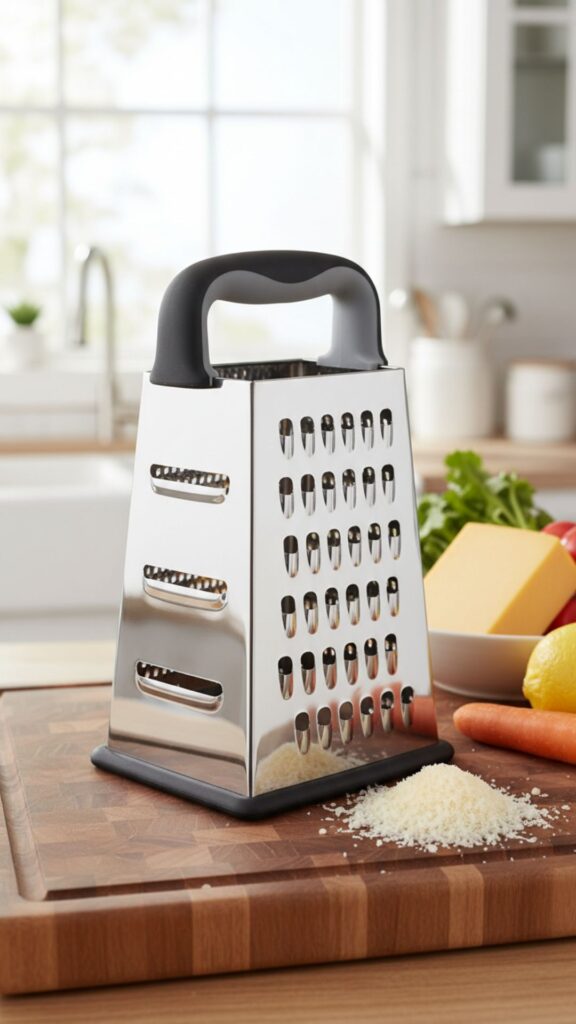
More efficient than a microplane for bulk work, a box grater handles cheese, vegetables, and even butter for pastry. The four sides offer versatility in texture.
How To Get The Look:
- Stainless steel resists rust.
- A rubberized bottom prevents slipping on the counter.
- A comfortable handle is key for heavy grating sessions.
Shopping List
- Stainless steel box grater
- Cheese grater with container
- 4 sided grater
- Coarse grater
- Fine zester grater
- Handheld cheese grater
- Rotary cheese grater
- Heavy duty box grater
- Non slip base grater
- Vegetable grater
10. Sheet Pans
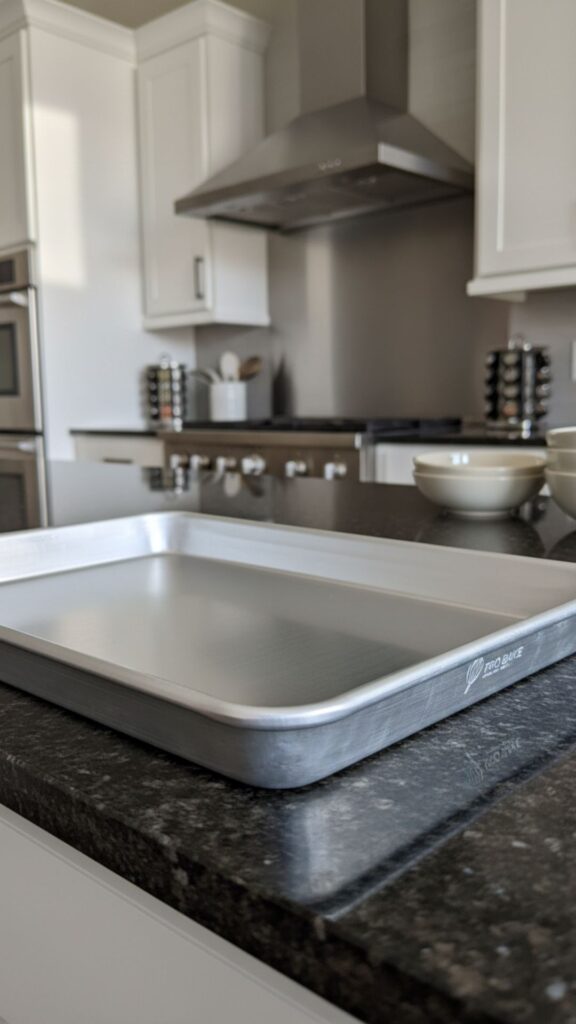
Sheet pans (or baking sheets) are for roasting vegetables, baking cookies, and making easy one-pan dinners. They are essential for efficient meal prep.
How To Get The Look:
- “Half sheet” size is standard for home ovens.
- Look for heavy-gauge aluminum to prevent warping.
- Rimmed edges keep juices from dripping onto your oven floor.
Shopping List
- Half sheet pan
- Aluminum baking sheet
- Rimmed baking sheet
- Non stick cookie sheet
- Quarter sheet pan
- Commercial baking pan
- Sheet pan with rack
- Jelly roll pan
- Stainless steel baking sheet
- Baking sheet set
Build Your Culinary Toolkit
Equipping your kitchen isn’t about buying the most expensive items on the shelf; it’s about investing in tools that you will use every single day. Start with these ten essentials, and you’ll find that cooking becomes less of a hassle and more of a creative outlet.
Frequently Asked Questions (FAQs)
1. Do I really need expensive knives?
You don’t need the most expensive knife, but avoiding the cheapest dollar-store options is wise. A mid-range knife ($30-$60) made of decent steel will hold an edge much longer and be safer to use than a cheap, flimsy blade.
2. Can I put cast iron in the dishwasher?
Absolutely not. The dishwasher will strip the seasoning (the non-stick layer) and cause the pan to rust. Wash it by hand with hot water, dry it immediately on the stove, and rub a little oil into it.
3. Why are my baking sheets warping in the oven?
Warping usually happens with thin, cheap pans when they experience sudden temperature changes. Investing in heavy-gauge aluminum pans prevents this “popping” sound and ensures your food cooks evenly.
4. Is non-stick better than stainless steel?
Non-stick is great for eggs and delicate fish, but it wears out over time. Stainless steel and cast iron last a lifetime and are better for getting a good sear on meats. A mix of both is ideal for most kitchens.
5. How often should I replace my cutting board?
Plastic boards should be replaced once they have deep grooves that can harbor bacteria and are hard to clean. Wooden boards can be sanded down and re-oiled, often lasting for many years if maintained properly.