Some links in this blog are affiliate links. If you make a purchase through these links, I may receive a small commission. This helps support the site at no extra cost to you.
Imagine waking up in a serene, minimalist space where warmth meets functionality—a place that encourages relaxation and fosters tranquility. Sounds like a dream, doesn’t it? Well, you can turn this dream into reality by incorporating Japandi design into your bedroom.
Combining the calm elegance of Japanese style with the functional, rustic charm of Scandinavian design, Japandi is a design trend that’s sweeping the world, especially in bedrooms.
But what exactly makes Japandi so special? It’s not just about the design, but also about the philosophy behind it—creating a space that nurtures both mind and body. Let’s explore how you can infuse your bedroom with Japandi inspiration for that perfect balance of coziness and modern aesthetics.

Table of Contents

10 Best Japandi-Inspired Bedroom Designs
1. Embrace Minimalist Furniture with Clean Lines

When it comes to Japandi style, less is more. The first step in creating a Japandi-inspired bedroom is to choose minimalist furniture with clean lines. Look for sleek, simple pieces like low-profile beds, simple nightstands, and functional storage options. The key is to eliminate unnecessary details and let the beauty of the materials and craftsmanship shine through.
Did you know? Japandi design draws inspiration from the Japanese philosophy of “wabi-sabi,” which celebrates the beauty of imperfection. This means your furniture doesn’t need to be flawless—subtle, natural imperfections in wood and materials add to the charm of the space.
2. Use Neutral and Earthy Color Palettes
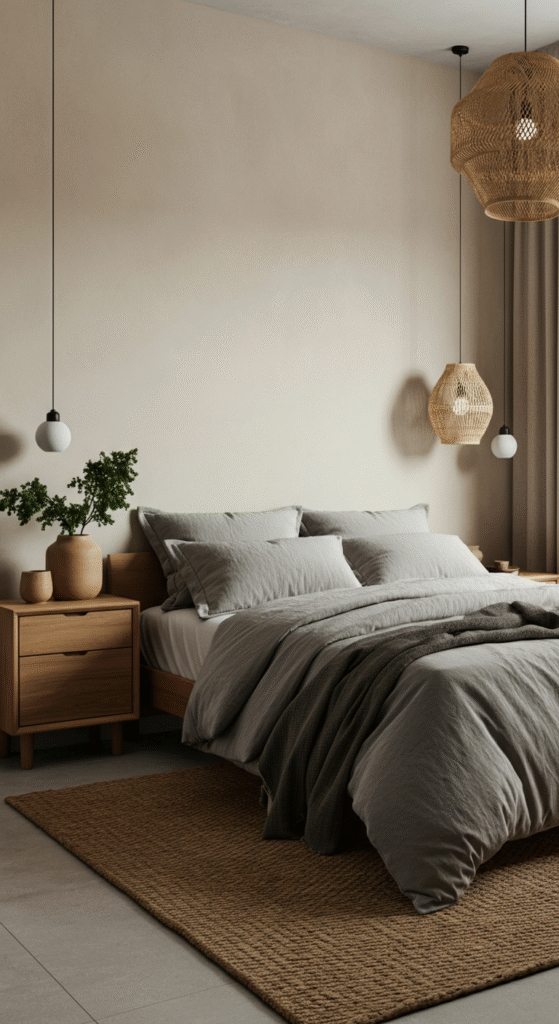
Japandi bedrooms are known for their soft, calming colors. Think muted tones, earthy neutrals like beige, gray, and warm wood tones, accented with soft blacks or rich browns. These colors create a peaceful, natural ambiance that invites relaxation. The absence of loud, overpowering colors contributes to a serene atmosphere perfect for winding down after a busy day.
An interesting fact: While Scandinavian design tends to lean more towards cool tones, the Japanese influence in Japandi adds warmth with wooden accents, creating the perfect balance of cold and warm shades.
3. Add Organic Textures with Natural Materials
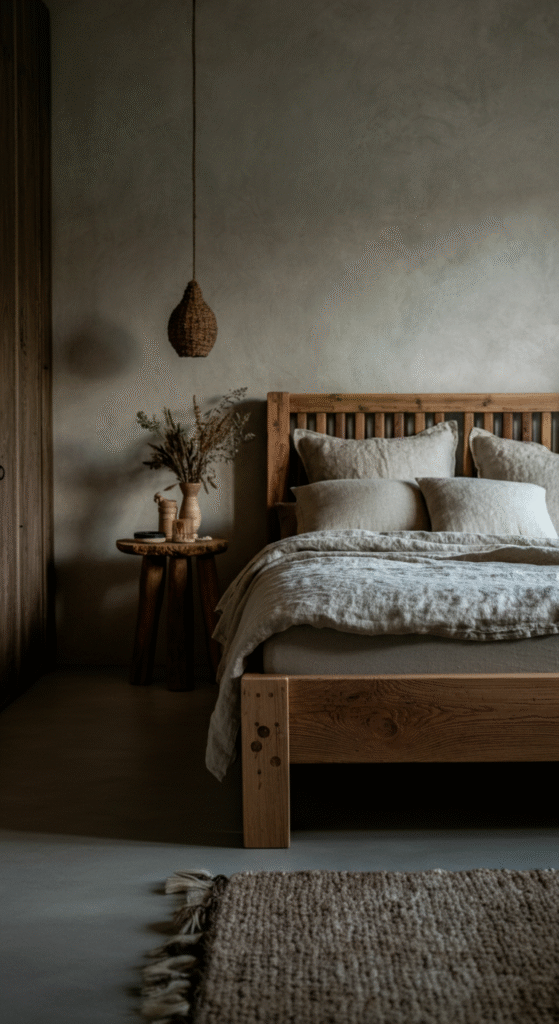
A key characteristic of Japandi style is the emphasis on natural materials. In your bedroom, incorporate organic textures like wood, linen, and stone to create a sense of grounded tranquility. Choose a wooden bed frame or natural linen bedding, and add textured throws or wool rugs to complete the look. These materials not only create a welcoming environment but also evoke a sense of harmony with nature.
Myth or Fact? Some people think that Japandi is too simplistic, but the real magic lies in the texture contrasts. The combination of soft linens with the raw texture of wood is what creates the inviting warmth typical of this style.
4. Keep It Clutter-Free with Smart Storage Solutions
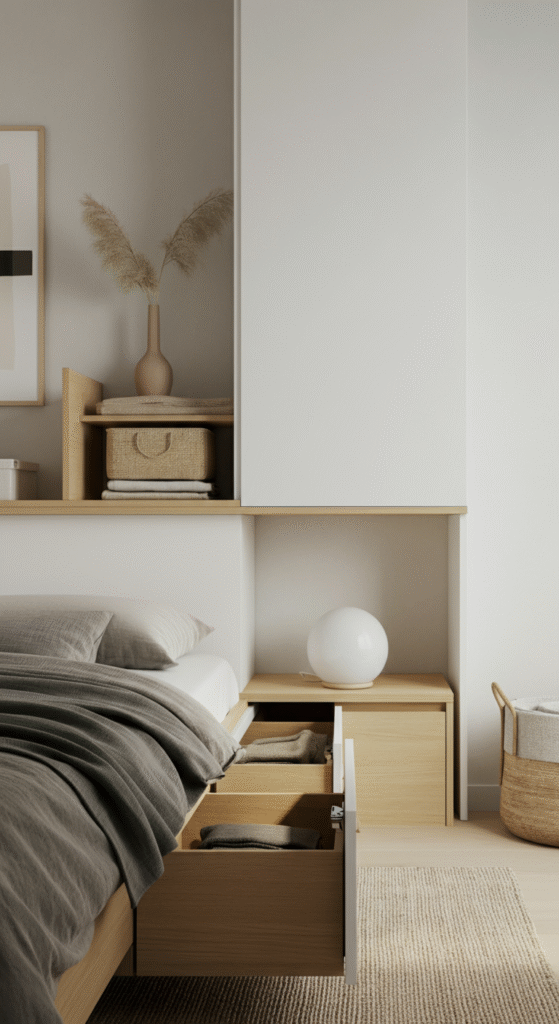
One of the most important principles in Japandi design is keeping things clutter-free. A tidy space is essential to creating the serene atmosphere that defines the Japandi style. Invest in smart storage solutions such as under-bed drawers, hidden storage compartments, or wall-mounted shelves to keep your belongings out of sight.
Did you know? The Japanese have a strong cultural practice of minimalism, known as “ma,” which refers to the space between objects. This concept can be applied in your bedroom design to create room for both physical and mental relaxation.
5. Incorporate Subtle Asian-Inspired Elements

While Japandi design is a fusion of Japanese and Scandinavian styles, you can subtly incorporate Asian elements into the room. Consider adding a traditional Japanese screen, a bonsai tree, or a beautiful piece of calligraphy on the wall. These small accents can add character to your bedroom without overpowering the minimalist aesthetic.
6. Play with Natural Light and Open Space
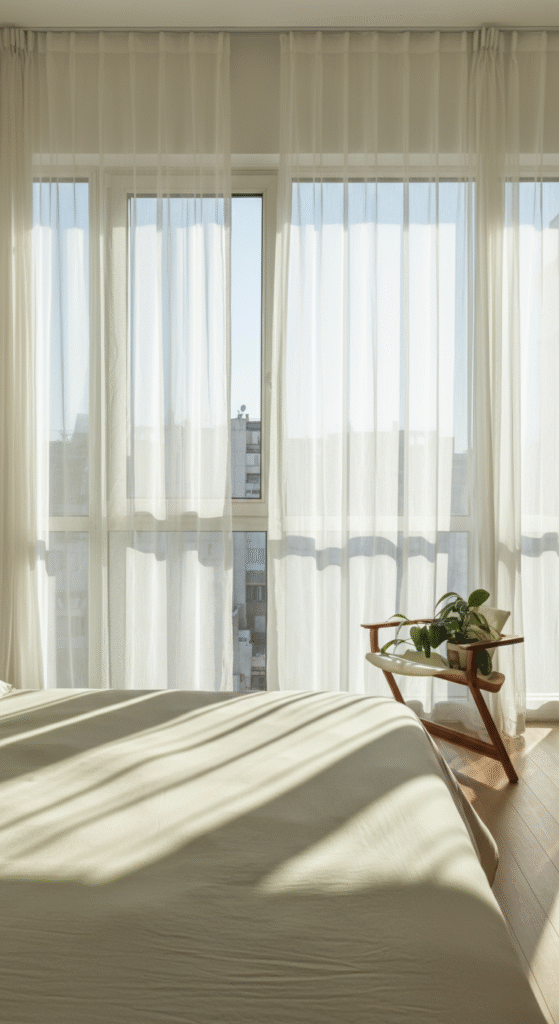
Japandi bedrooms make the most of natural light. Large windows, open spaces, and minimal window treatments allow the light to pour into the room, creating a calm and airy environment. If privacy is a concern, opt for sheer curtains that still allow light to filter through, maintaining the open feel.
Interesting fact: In Scandinavian countries, natural light is a precious commodity, especially during the long winters. This is why Scandinavian-inspired designs prioritize light, bright spaces that combat the dreariness outside.
7. Add Greenery for a Touch of Nature
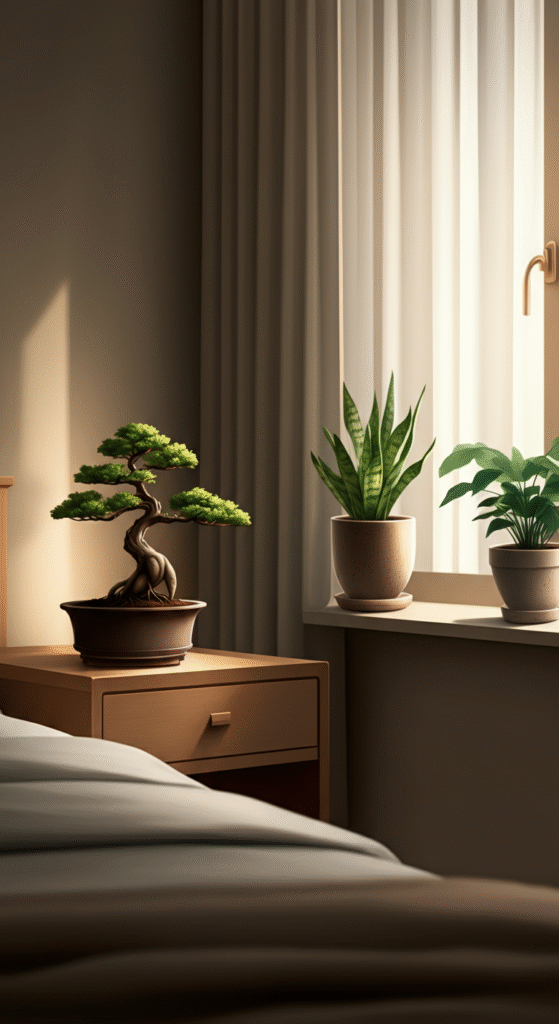
Bringing a bit of nature inside is an easy way to infuse your Japandi bedroom with life and energy. Plants such as ferns, snake plants, or a simple bamboo plant can add color and life to the room, making it feel fresh and inviting. Plus, plants have been shown to improve air quality, creating a healthier environment for your bedroom.
Do you know? In Japanese design, plants are often seen as symbols of life and vitality, and incorporating them into your home brings a sense of calm and renewal.
8. Focus on Functionality Over Ornamentation
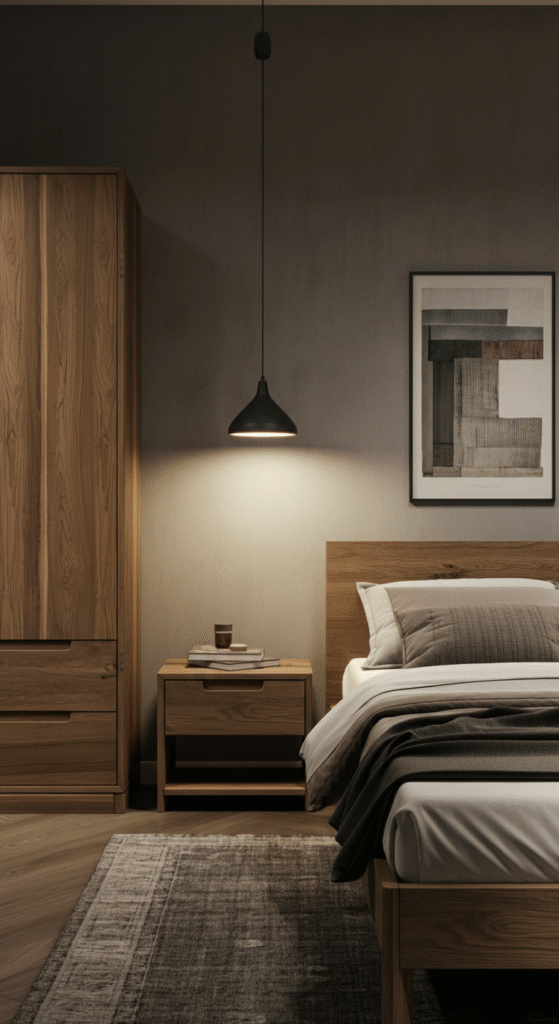
Japandi design focuses heavily on the functionality of each item in the space. Every piece of furniture should serve a purpose, and unnecessary ornamentation is avoided. This doesn’t mean the room has to feel sterile—simple, thoughtful designs with practical purposes can be beautiful in their own right.
Myth or Fact? Some people think that minimalism means sacrificing comfort, but in Japandi, functionality and comfort go hand-in-hand. For example, low-profile beds are not just stylish but also incredibly comfortable for restful sleep.
9. Use Statement Lighting

Lighting plays a vital role in creating the right atmosphere in any room. In a Japandi-inspired bedroom, choose lighting that’s both functional and beautiful. A statement pendant light or a pair of minimalist table lamps can help illuminate the space while adding a touch of style. Soft, warm lighting will create an inviting and relaxing atmosphere that’s perfect for bedtime.
Fun fact: In Japanese culture, lighting is considered an essential element in creating mood and atmosphere. The soft, indirect lighting typical of Japandi design encourages a sense of calmness and peace.
10. Create a Relaxing, Zen-Like Atmosphere

Above all, the Japandi bedroom is a space that promotes relaxation and mindfulness. Integrate simple rituals, such as a small meditation corner or a dedicated reading nook, to enhance the peaceful ambiance. Soft music, calming scents, or a warm cup of tea can also help create a soothing environment.
Did you know? The Zen philosophy, which heavily influences Japanese design, encourages individuals to create spaces that support mental clarity, focus, and mindfulness. Japandi interiors aim to bring this sense of Zen into the modern home.
Conclusion
Incorporating Japandi-inspired elements into your bedroom design can transform it into a peaceful, functional, and inviting retreat. By embracing minimalist furniture, neutral color schemes, natural materials, and thoughtful organization, you can create a modern space that fosters relaxation and mindfulness.
Whether you’re working with a small apartment or a spacious room, Japandi’s serene and cozy aesthetic can suit any size or layout. So, are you ready to infuse your bedroom with the warmth and tranquility of Japandi design? Start with these 10 design tips and watch your bedroom transform into a modern, cozy sanctuary that’s as beautiful as it is functional.
Frequently Asked Questions (FAQs)
Is Japandi design only about minimalism?
No, while Japandi emphasizes simplicity, it also incorporates natural materials, warmth, and functionality, making the space both practical and inviting.
Can Japandi work in small bedrooms?
Yes, Japandi is ideal for small spaces due to its minimalist approach, which helps keep the room feeling open and uncluttered.
What colors are used in Japandi bedrooms?
Japandi bedrooms typically feature neutral and earthy tones like beige, gray, and wood tones, accented with soft blacks and browns for balance.
How do I add warmth to a Japandi bedroom?
You can add warmth by incorporating natural materials like wood, linen, and wool, along with warm lighting and cozy textiles such as throws or rugs.
Do plants work well in Japandi design?
Yes, plants like ferns or bonsai trees complement Japandi style by bringing a touch of nature and vitality to the room, enhancing the peaceful ambiance.